The Sandpaper Trick for Sharpening Scissors at Home
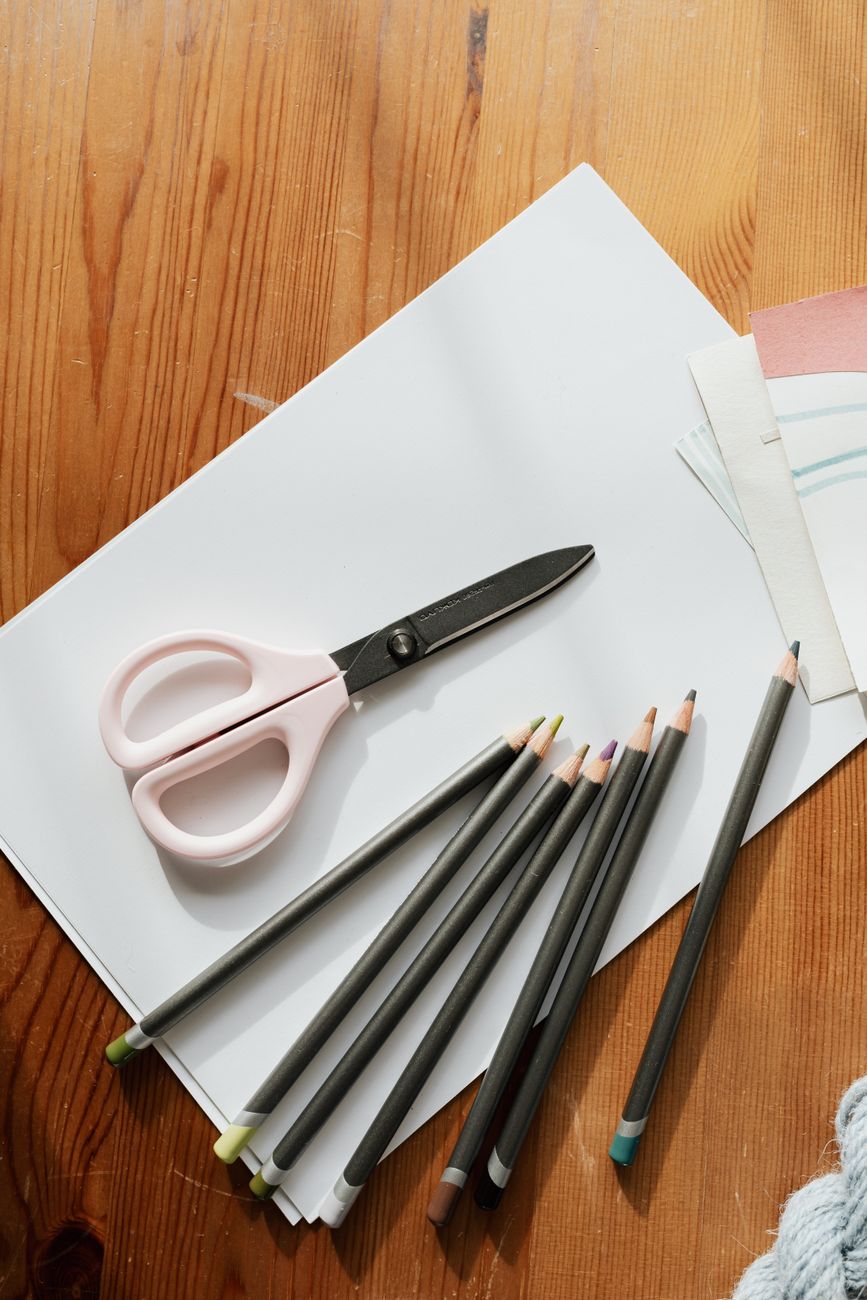
I used to throw away kitchen scissors when they got dull. Three or four pairs a year, just into the trash. It never occurred to me that you could sharpen them yourself until my dad — a retired upholsterer who sharpens his own shears — saw me toss a pair and looked at me like I had just set money on fire.
“You know you just need a piece of sandpaper, right?” he said. I did not know. Now I do, and I have not bought scissors in three years. Here are four ways to sharpen scissors at home, from the sandpaper trick to the foil method.
The sandpaper method (the best one)
Get a sheet of 150-grit or 220-grit sandpaper. The finer the grit, the smoother the edge. Fold it in half with the grit side facing out. Then just cut the sandpaper into strips — about ten to fifteen cuts across the full length of the blade. Each cut grinds a tiny amount of metal off the bevel, which is exactly what sharpening is.
Do this with the rough side facing both ways — cut with the grit facing the inside of the blades, then flip the sandpaper and cut again. Wipe the blades with a damp paper towel afterward to remove metal dust. Your scissors should now cut paper cleanly instead of folding it.
My dad does this once a month on his kitchen shears. Thirty seconds, costs maybe fifteen cents in sandpaper, and the scissors stay sharp enough to cut through chicken bones.
The aluminum foil method (for a quick tune-up)
Fold a sheet of aluminum foil four or five times until you have a strip about three inches wide and six layers thick. Cut through it ten to fifteen times with full strokes — open the scissors all the way, close all the way. The foil burnishes the edge and smooths out microscopic nicks.
This is less aggressive than sandpaper, so it is a good maintenance method between proper sharpenings. I do the foil trick every couple of weeks on my desk scissors.
The glass jar or screwdriver method (emergency only)
If you have no sandpaper and no foil, you can use the neck of a glass jar or the shaft of a metal screwdriver. Open the scissors wide and “cut” into the glass or metal — not with the tips, but with the part of the blade closest to the pivot. Slide the blade along the surface as if you were cutting. This hones the edge.
This is not a replacement for proper sharpening. It is what you do when wrapping gifts on Christmas Eve and the scissors suddenly stop cutting. It gets you through the day.
When to use a real sharpener
If you have high-end fabric shears or hair scissors, take them to a professional. The sandpaper method is for kitchen and craft scissors — the ones you use for cutting open packages, trimming recipes, and snipping herbs. Fancy shears have a specific angle on the bevel that sandpaper will mess up.
Also: if the scissors are loose at the pivot (the blades do not touch each other along the full length), sharpening will not help. Tighten the pivot screw first. If the screw is a rivet and cannot be tightened, it is time for new scissors.
📋 Quick Summary: Cut 150-grit sandpaper (grit side out) ten to fifteen times for a real sharpening. Aluminum foil folded six layers thick for maintenance between sharpenings. Glass jar neck in an emergency. Take fabric shears to a pro. Tighten pivot screw before sharpening.