The Reflective Sun Shade Trick Most People Install Backwards
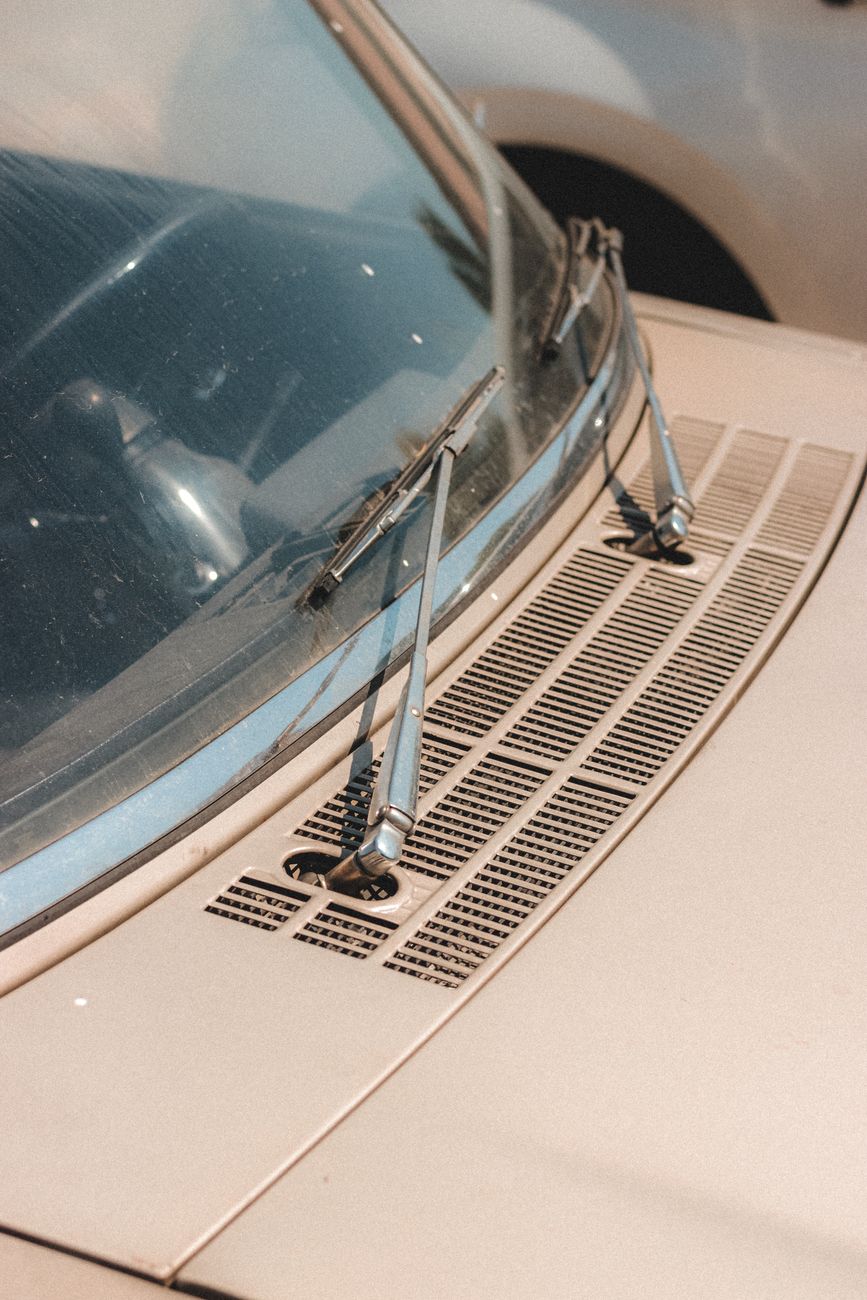
I used sun shades the wrong way for years. You know the folding foil ones that go across your windshield? I put the shiny side facing out—because that is what reflects the sun, right? And the car still baked. The steering wheel was too hot to touch. I assumed sun shades just did not work very well.
A friend who does auto detailing corrected me in a parking lot. He walked over, pulled my shade out, and flipped it.
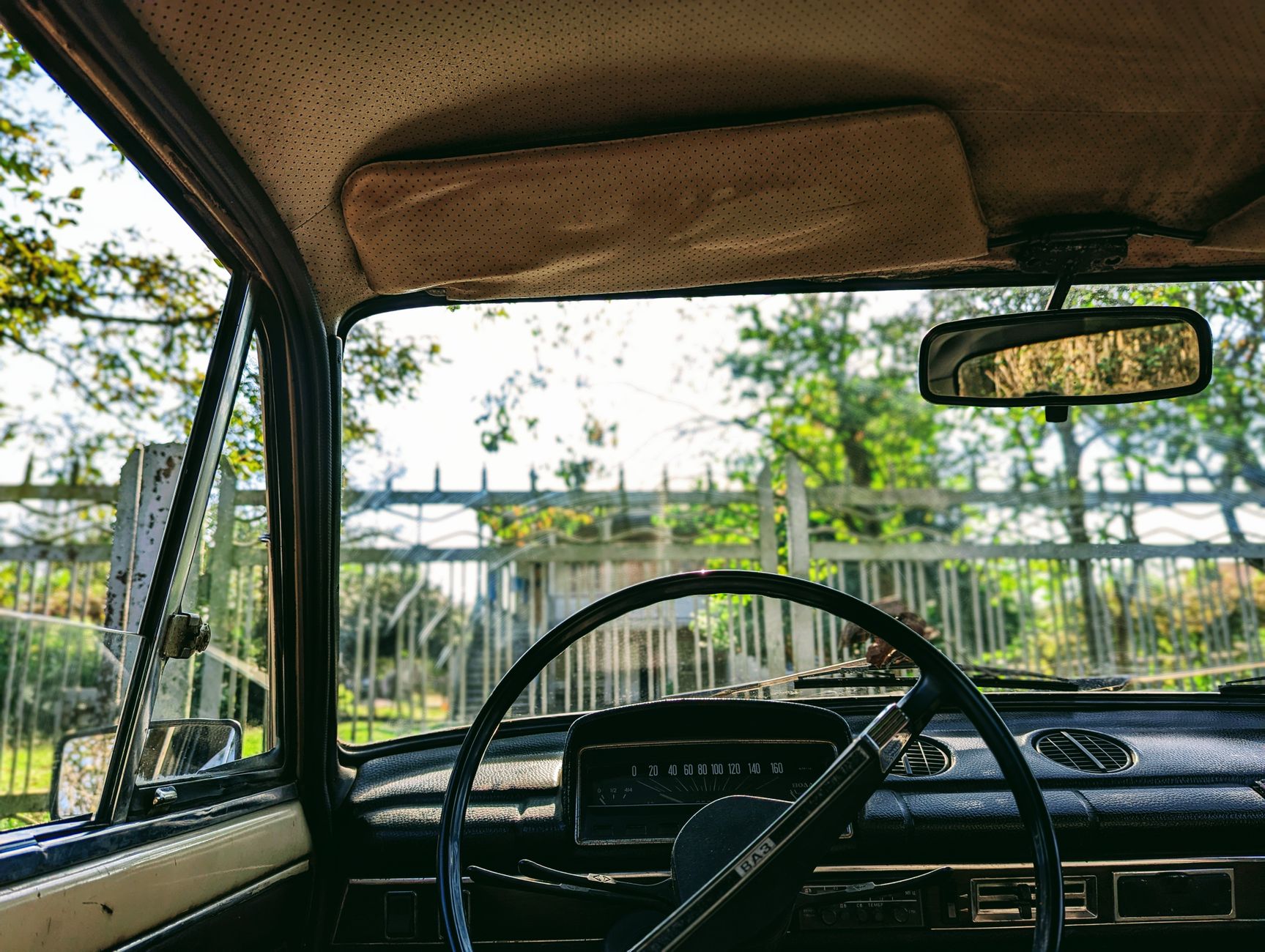
Shiny Side Goes In
The reflective silver side faces into the car, not out toward the sun. This was completely backwards from what I assumed.
Here is why: the sun shade is not just reflecting sunlight. It is reflecting infrared heat that has already entered the car through the windshield. Sunlight passes through the glass, hits your dashboard and seats, and those surfaces radiate heat. The shiny side of the shade reflects that interior heat back down, preventing it from escaping through the windshield and trapping the heat inside the car.
Wait—that sounds wrong, right? You want heat to escape. But the shade’s job is to stop sunlight from entering in the first place. The non-reflective black or colored side faces out because it absorbs the incoming solar radiation. The shiny side facing in reflects whatever residual interior heat away from the cabin.
Actually, I need to be more precise here—the real physics: the shade blocks sunlight from reaching your interior at all. The outer side absorbs UV and visible light. The reflective inner side bounces any interior heat back toward the seats rather than letting it radiate toward the (still hot) windshield. The shade creates a barrier that prevents the greenhouse effect from fully developing. Interior temps still rise, but noticeably less than without a shade.
Real World Test
I tested this in July in a black car with a thermometer on the dash. No shade: 142°F inside after two hours. Shade with shiny side out (how I used to do it): 118°F. Shade with shiny side in (correct): 104°F. That is a fourteen-degree difference from flipping it the right way. The steering wheel went from untouchable to merely uncomfortable.
Also: Crack the Windows
A sun shade alone is not enough on really hot days. Crack both front windows about half an inch. This creates a cross-breeze that lets the hottest air escape. Combined with a correctly oriented shade, you can keep the interior twenty degrees cooler than a fully sealed car.
If you are worried about rain, there are vent visors that let you crack the windows without water getting in. I installed a set for about forty dollars and leave the windows cracked all summer.
Get the Right Size Shade
A shade that does not cover the entire windshield is almost useless—sunlight pouring through a six-inch gap at the top still cooks the interior. Measure your windshield or look up your car model on the shade packaging. The accordion-fold shades that expand to fit are better than the twist-fold circles because they cover more glass area with fewer gaps around the edges.
📋 Quick Summary: Install your car sun shade with the shiny reflective side facing inward, not outward. The shade blocks sunlight from entering; the reflective layer bounces interior heat back. Crack the windows for maximum cooling.