The Portable Blender I Actually Use Every Single Day
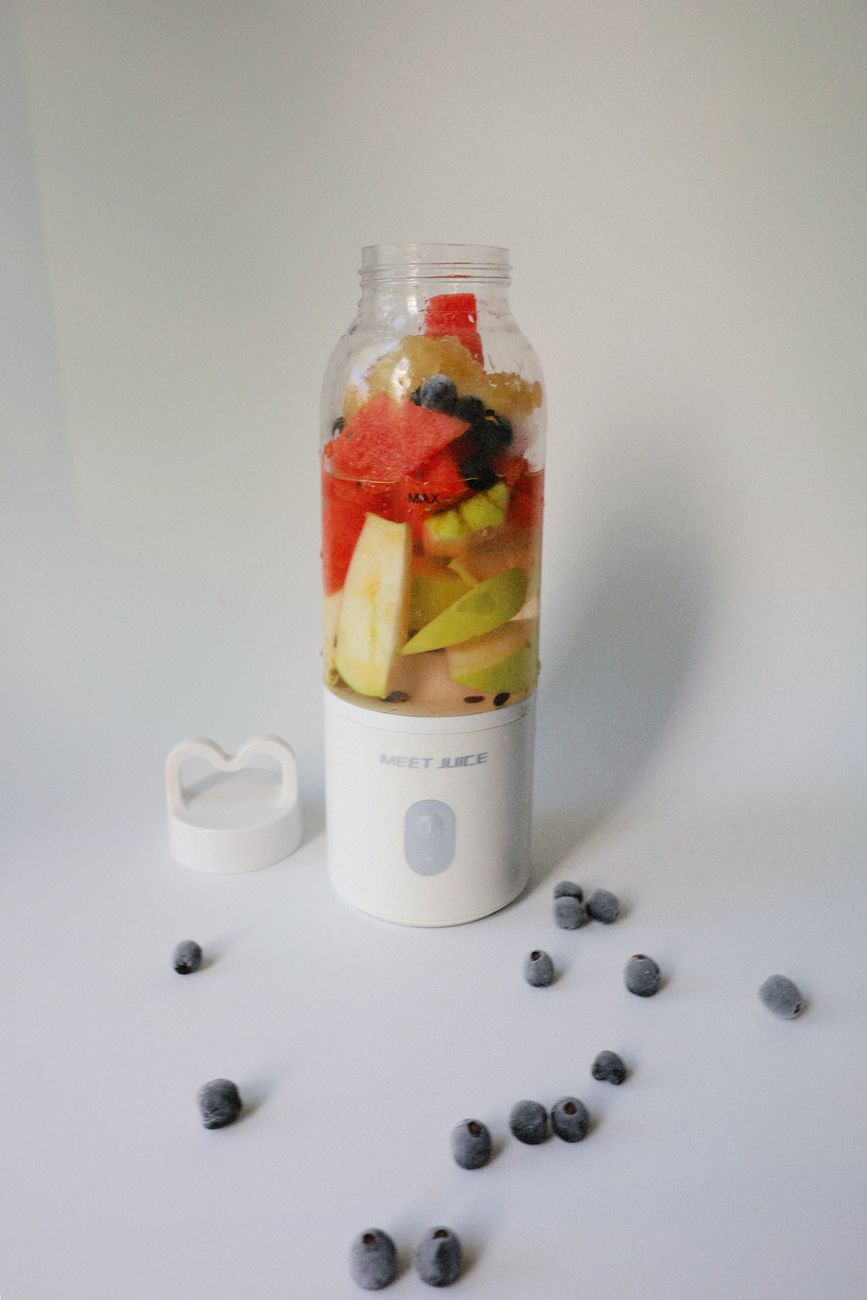
My countertop blender collected dust because hauling it out, filling it, blending, pouring into a separate cup, and then cleaning the pitcher and lid and blade assembly felt like a fifteen-minute commitment for a smoothie I drank in three minutes. I used it maybe twice a month.
A portable blender changed that. The blending container is the drinking cup. You blend, unscrew the blade base, screw on a drinking lid, and walk out the door. One item to clean instead of three. I have used it nearly every morning for eight months. Here is how they compare and which one to get.
What a portable blender can actually handle
These are not full-size blenders. They have smaller motors — usually 150 to 250 watts versus 1000+ in a countertop model. Frozen fruit needs to be cut into smaller pieces — think half-inch chunks, not whole frozen strawberries. Ice cubes work if you add enough liquid, but the result is chunkier than a countertop blend.
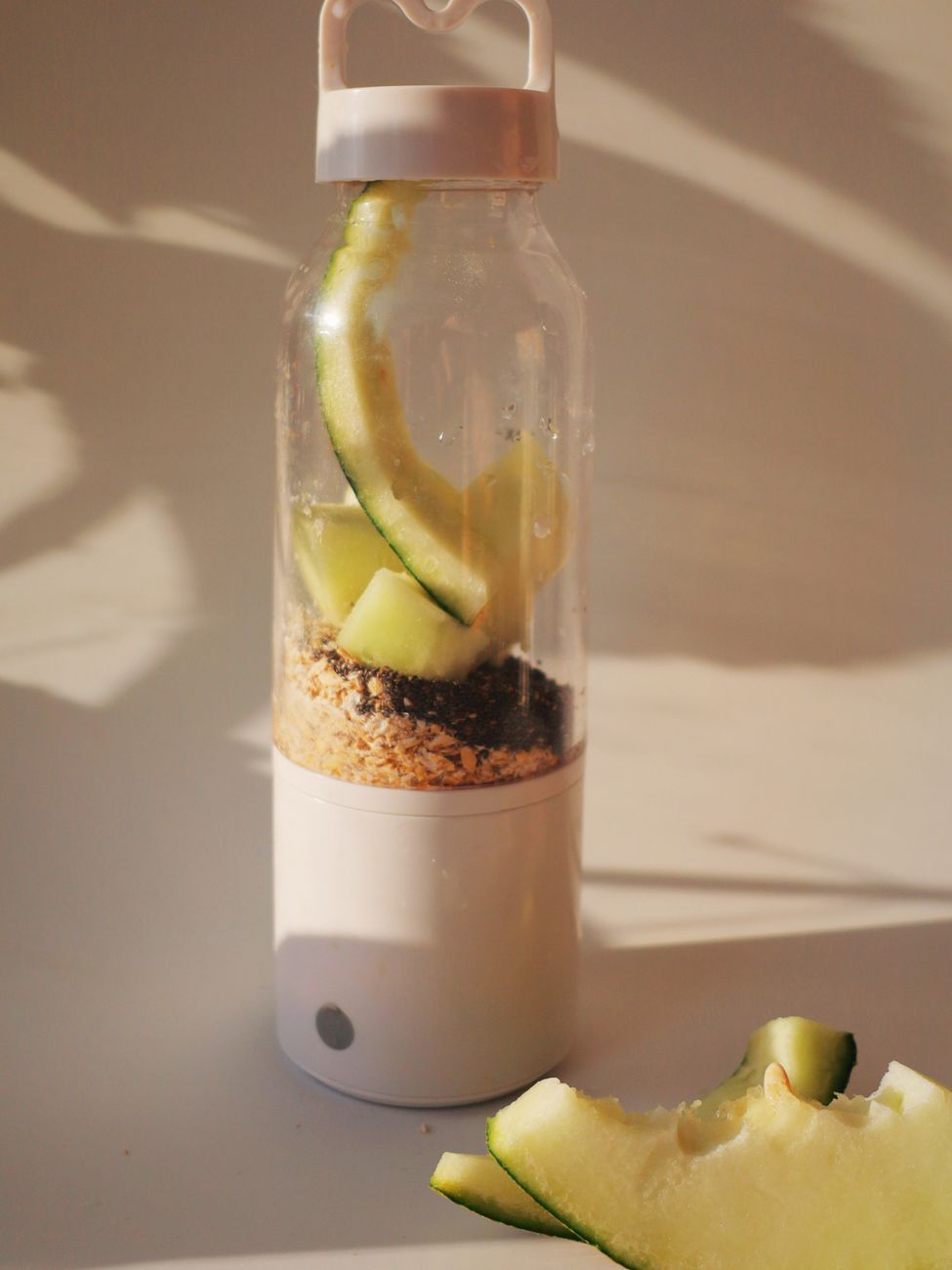
They excel at: protein shakes, smoothies with fresh fruit and yogurt, iced coffee drinks, and baby food. They struggle with: nut butters, thick hummus, grinding dry grains, and anything with minimal liquid. Know the limits and you will not be disappointed.
The charging situation
Most portable blenders charge via USB-C or have a built-in rechargeable battery. Expect 8 to 15 blends per charge, depending on the model. The battery degrades over time like any rechargeable — after about a year of daily use, you may get 6 to 10 blends per charge. Replacement batteries are not user-replaceable in most models.
Some budget models still use micro-USB charging. Avoid those. USB-C charges faster and you already have the cable for your phone.
What I bought and why
After reading through probably too many reviews, I went with the BlendJet 2 — about forty dollars. It blends and charges via USB-C, the jar holds 16 ounces, and it is truly portable — about the size of a water bottle. The blade assembly unscrews for cleaning, which takes 30 seconds under running water.
The motor is not quiet. It sounds like an electric toothbrush having a bad day. But it runs for about 20 seconds per blend, and then it is done. My coffee grinder is louder.
The locking mechanism has a safety feature that prevents the blender from running unless the jar is properly seated. This is good — a blender blade spinning without a jar attached would be bad. But it also means you need to line up the jar precisely before it engages. After a week of use, it becomes muscle memory.
The cleaning advantage
This is why I use it every day. Add a drop of dish soap and warm water, run the blender for 10 seconds, rinse. The entire cleaning process takes less time than walking to the sink with a full-size blender pitcher. When cleanup is frictionless, you use the thing.
📋 Quick Summary: Portable blenders like the BlendJet 2 replace the pitcher-and-cup routine with a single jar. Great for daily smoothies, not for nut butter or dry grinding. Cleanup takes 10 seconds — which is why you will actually use it every day.