The Foolproof Way to Peel Hard-Boiled Eggs in Seconds
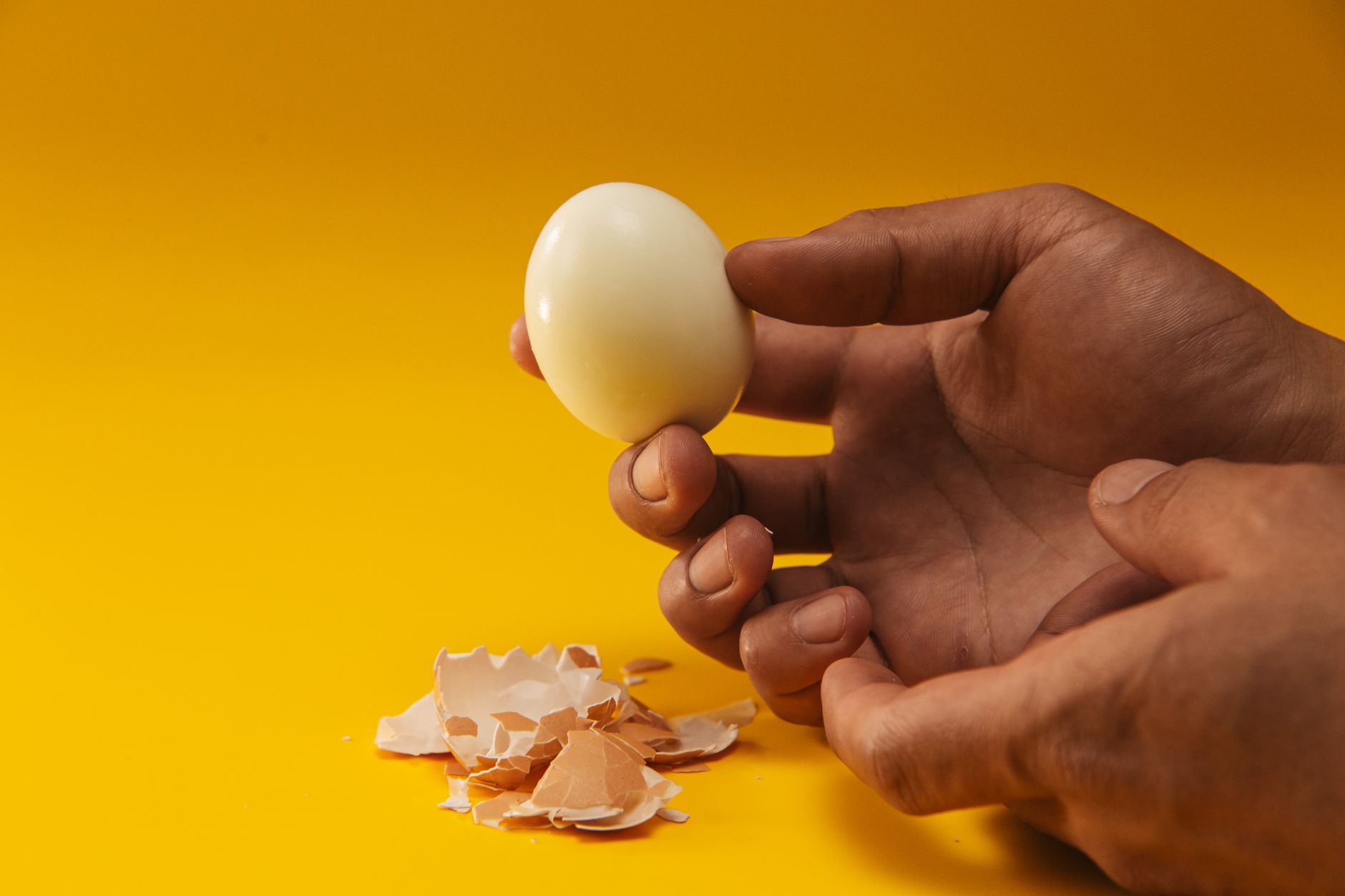
I ruined an entire batch of deviled eggs at a family potluck once. Eight eggs, and every single one came out looking like the surface of the moon — cratered, torn, half the white stuck to the shell. My aunt took one look at the platter and said, “Store-bought?” I still haven’t lived it down.
That disaster sent me down a rabbit hole of egg-peeling techniques. I tried adding vinegar to the water. Baking soda. Poking a hole in the shell before boiling. The spoon method where you crack and scoop. The jar method where you shake it. Some worked okay. Most didn’t. And then I found the one that actually works every single time — and it takes about five seconds per egg.
Why Eggs Stick to the Shell
Before the fix, here is what is happening. Fresh eggs are more alkaline and the inner membrane clings to the white like glue. As eggs age, they lose carbon dioxide through the shell, the pH drops, and the membrane loosens. That is why older eggs peel easier — but most of us do not plan our egg-boiling a week in advance.
The Method That Changed Everything
Here is the sequence. It works with fresh eggs, old eggs, store-brand, farm-fresh, everything.
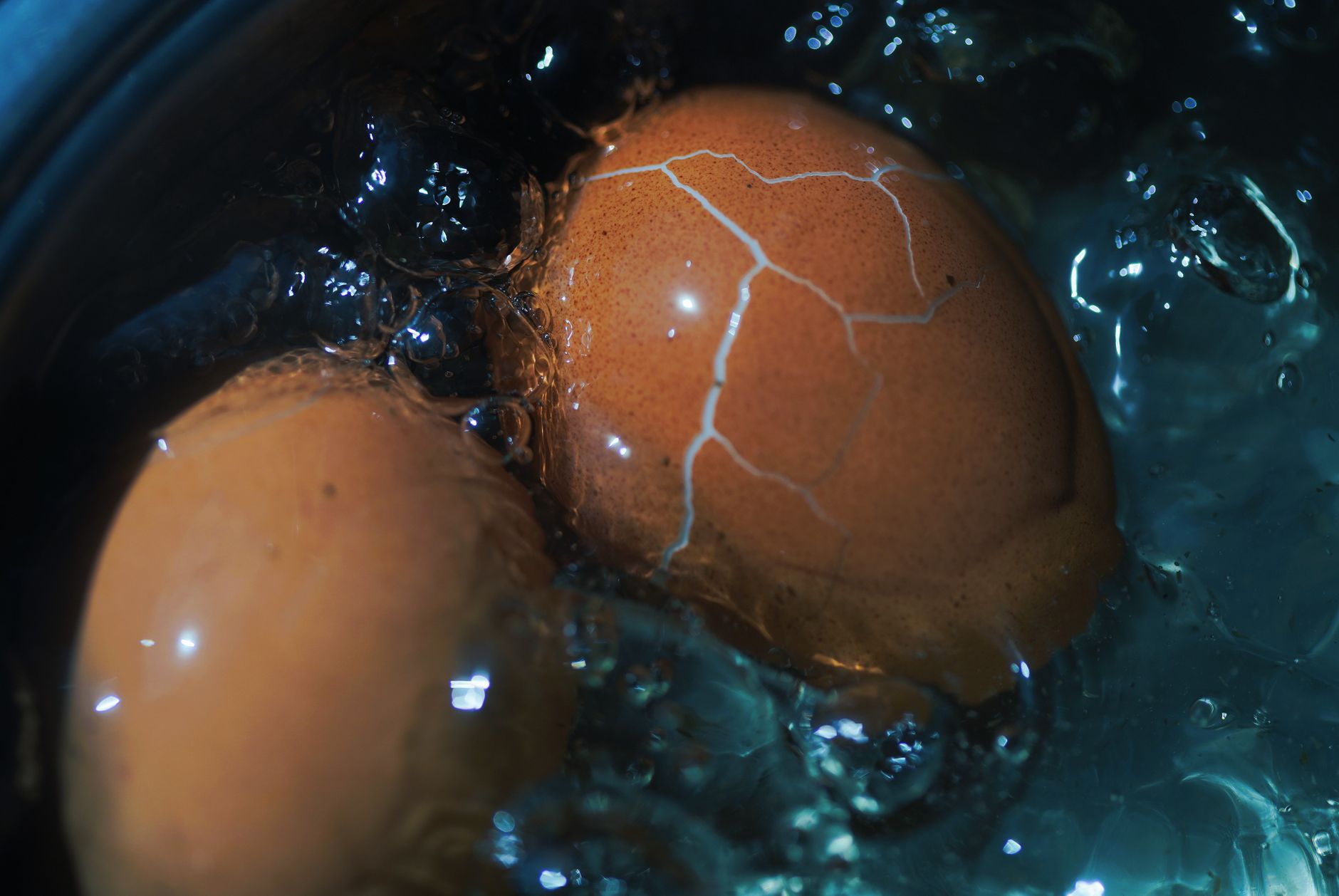
- Start with boiling water, not cold. Lower eggs in gently with a slotted spoon. Starting cold means the whites bond to the membrane as they heat up slowly. A hot start sets the outer white immediately.
- Boil exactly 12 minutes for fully set yolks. Eleven minutes if you like them slightly jammy in the center.
- Ice bath — and actually wait. Fifteen minutes minimum. I used to do five minutes and wonder why it still stuck. The cold shock contracts the egg inside the shell and pulls the membrane away. Five minutes is not enough. Fifteen is.
- Crack the wide end first. There is an air pocket at the fat end. Crack it there, then roll the egg gently on the counter to create a web of fine cracks.
- Peel under running water. The water slips between the membrane and the white, doing half the work for you.
Things I Got Wrong the First Time
I assumed the ice bath was optional. It is not. I skipped it once when I was in a hurry and spent ten minutes picking shell fragments out of egg salad. I also used to drop cold eggs straight from the fridge into boiling water, which makes the shells crack from thermal shock. Let them sit on the counter for ten minutes first, or run them under warm tap water.
The biggest shift for me was starting with boiling water instead of cold. Every recipe I grew up with said “cover eggs with cold water, bring to a boil.” Every single one was wrong. Starting hot means the egg white sets before it has time to bond to the membrane. It sounds backwards but it works.
My neighbor — who used to work in a diner kitchen — told me about the running water trick. She said they peeled dozens of eggs every morning and the water was non-negotiable. I tried it dry for years because I thought it wasted water. It uses maybe a cup of water per egg and saves minutes of frustration.
“Start hot, chill hard, peel wet. That is the whole thing.”
The shell practically slides off now. Last week I made deviled eggs for a barbecue and all twelve came out smooth. My aunt asked for the recipe. I told her it was just the peeling. She did not believe me.
📋 Quick Summary: Boil from hot water, not cold. Twelve minutes. Ice bath for fifteen. Crack at the wide end. Peel under running water. That is it.