The Food Scale That Made Me a Better Cook
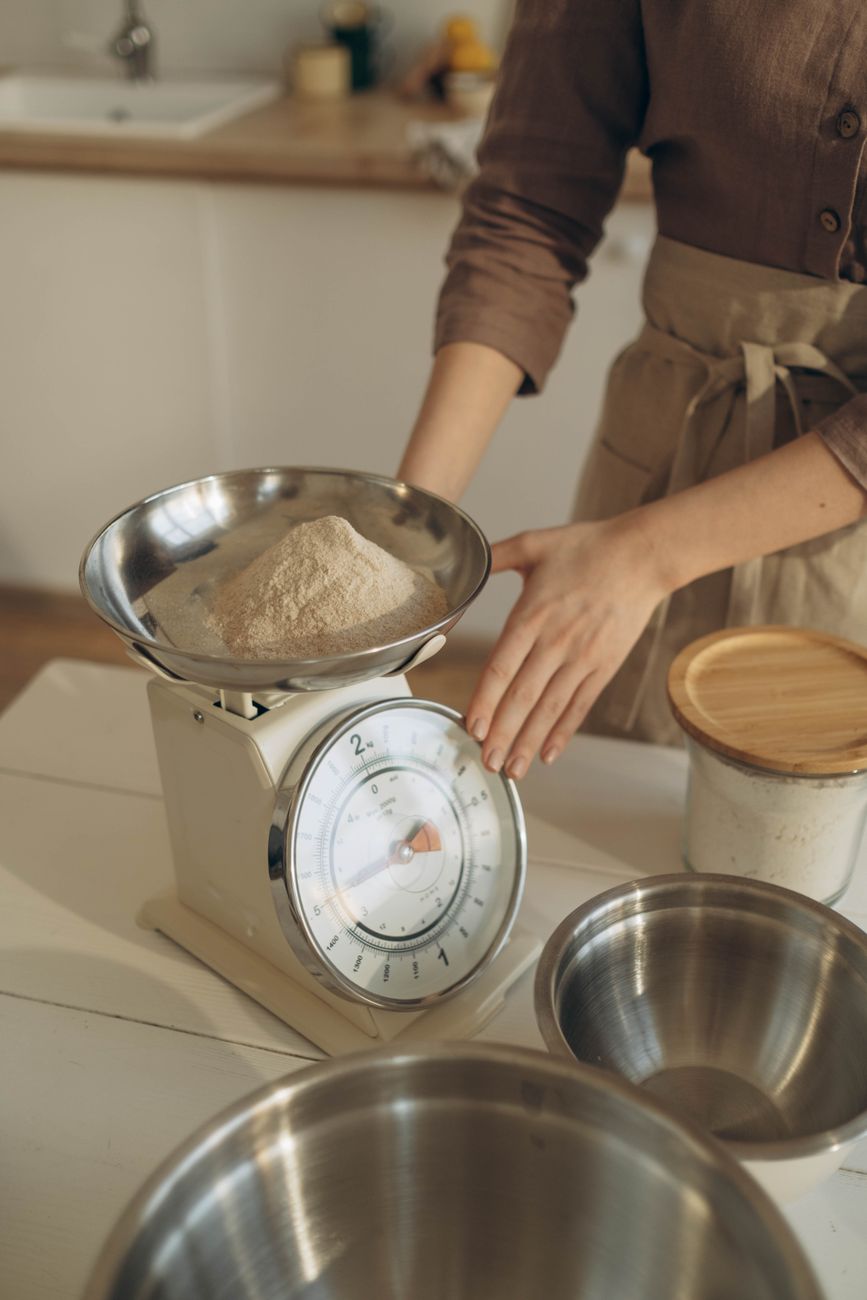
I used to measure flour by scooping a measuring cup into the bag and leveling it with a knife. My chocolate chip cookies came out different every time — sometimes flat and crispy, sometimes puffy and cakey. Same recipe. Same oven. Different results. The problem, I eventually realized, was the measuring cup.
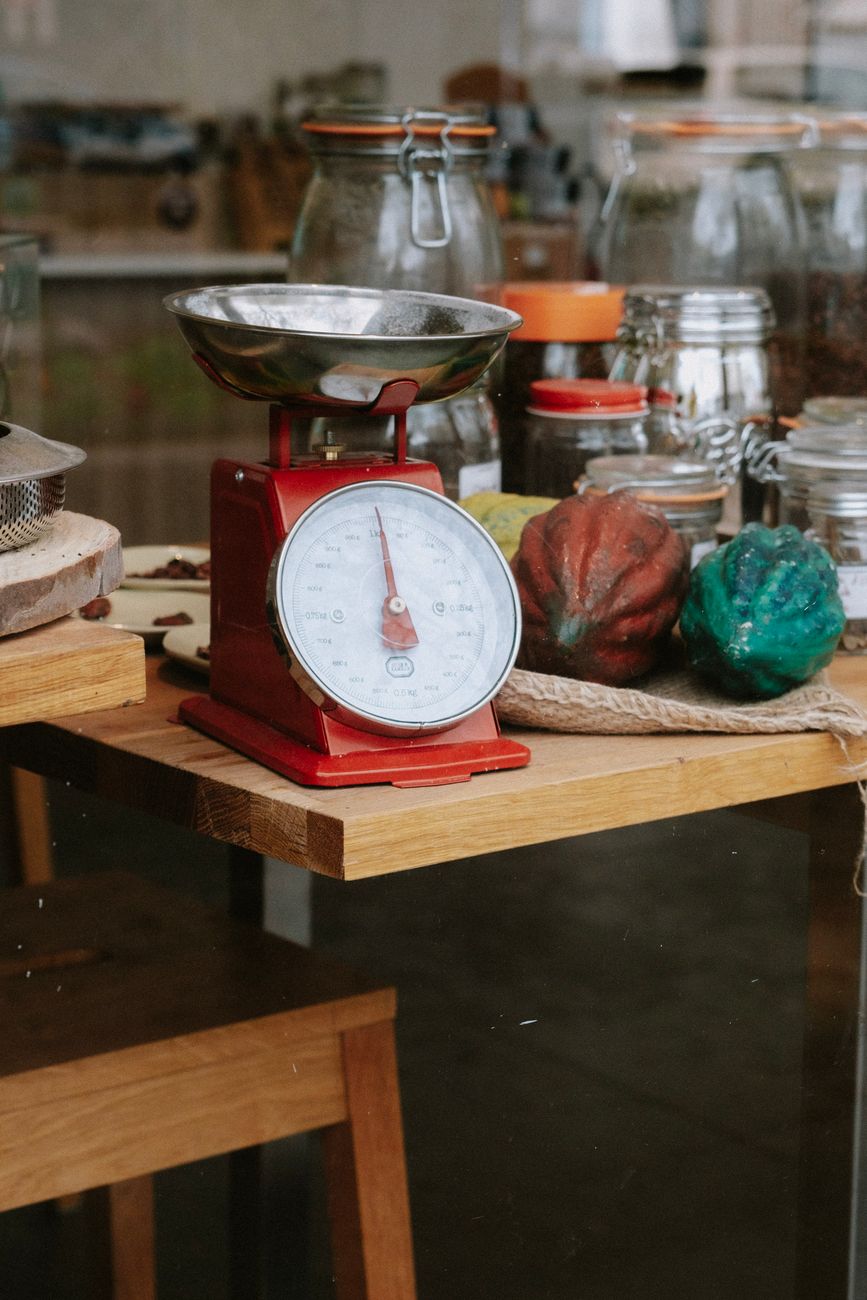
A cup of flour can weigh anywhere from four to six ounces depending on how densely it is packed. That is a fifty percent difference. Your measuring cup tells you volume. The recipe author’s cup probably had a different density than yours. This is why professional bakers use weight, not volume, for everything.
Why Baking Demands a Scale
Baking is chemistry. The ratio of flour to fat to liquid to sugar determines texture. When you measure by volume, you are guessing at that ratio. A food scale removes the guesswork.
The first time I made chocolate chip cookies by weight, they came out perfect. Golden edges, chewy center, exactly the texture I had been chasing for years. The only difference was that I weighed the flour instead of scooping it.
What to Look For in a Scale
I have used three different kitchen scales over the years. Here is what matters:
- Accuracy to 1 gram: This is standard on even budget scales and is precise enough for home cooking. Do not pay extra for 0.1-gram accuracy unless you are making espresso or measuring very small amounts of yeast.
- Tare function: You put a bowl on the scale, press tare, and it zeros out so you are weighing only the ingredients. Every scale has this now, but make sure the button is easy to reach when a large mixing bowl is on the platform.
- Readable display: If a big bowl covers the display, you cannot see the weight. Look for a scale with a pull-out display or one where the platform is raised above the screen.
- Capacity of at least 11 pounds: Enough for a large batch of dough or a whole chicken.
- Thin profile: You will store it standing up or in a drawer. A slim scale takes up half the space.
The scale I settled on was the Escali Primo — about twenty-five dollars, accurate, no pull-out display but the buttons are on the front so a bowl does not block them. If I were buying today, I would also look at the OXO Good Grips scale with the pull-out display for about thirty dollars.
What I Use It For Beyond Baking
- Portioning meat: That recipe says “four 6-ounce chicken breasts?” Weigh them. Grocery store breasts are often ten ounces each. Portion control is impossible without a scale.
- Coffee: The ratio of coffee to water determines strength. Weighing beans is more consistent than counting scoops.
- Dividing dough: Equal pizza dough balls, equal burger patties, equal dinner rolls. Eyeballing never works as well as you think.
- Tracking macros: If you count calories or protein, a scale is more accurate than measuring cups or “one serving” package estimates.
My cookies are consistent now. Every batch. The scale did not make me a better cook — it just removed the one variable I could not control. Twenty-five dollars solved a problem I had been blaming on my oven for five years.
Quick Summary: A 1-gram accurate kitchen scale (Escali Primo ~$25 or OXO ~$30) eliminates the volume-measuring problem that ruins baked goods. Get one with tare function, readable display, and at least 11 lbs capacity. Your cookies will finally be consistent.