Prep Your Garden for Spring in One Afternoon
I planted tomatoes on April tenth one year. By May they were yellow and spindly and produced exactly three sad fruits. My neighbor, who has been gardening in the same soil for twenty years, planted on the same day and had tomatoes coming out of her ears by July.
The difference was not luck. She prepped her beds in March. I dug holes and dropped plants in. Here is what she taught me about spring garden prep.
Clean up last year’s mess
Remove dead plant material from last season. Old tomato vines, squash leaves, anything that died over winter. Dead plant material harbors pests and fungal spores that will attack your new plants. Do not compost diseased material — throw it in the trash. Healthy dead material can go in the compost pile.
While you are cleaning, pull any weeds that survived winter. They will compete with your new plants for water and nutrients. Get the roots out — do not just snap the tops off.
Test and amend your soil
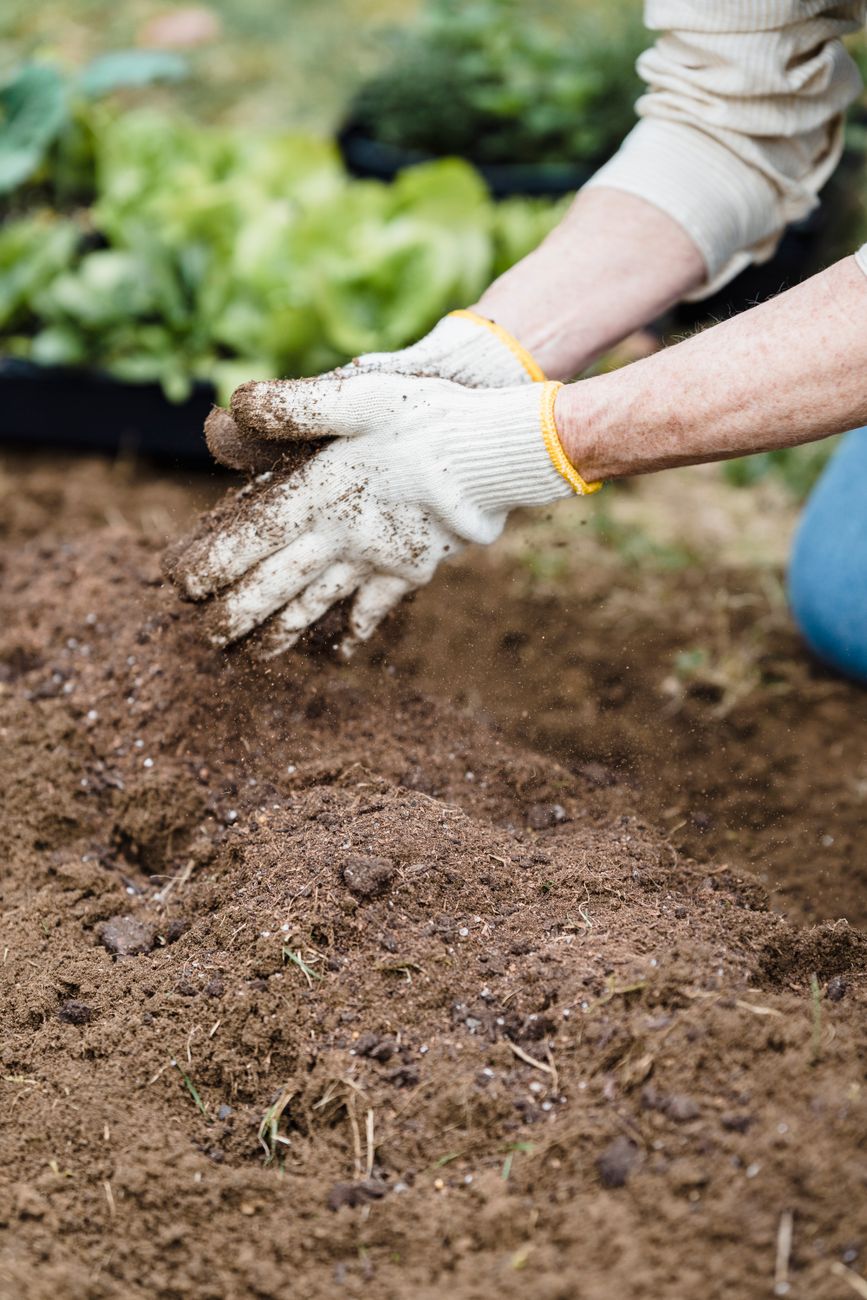
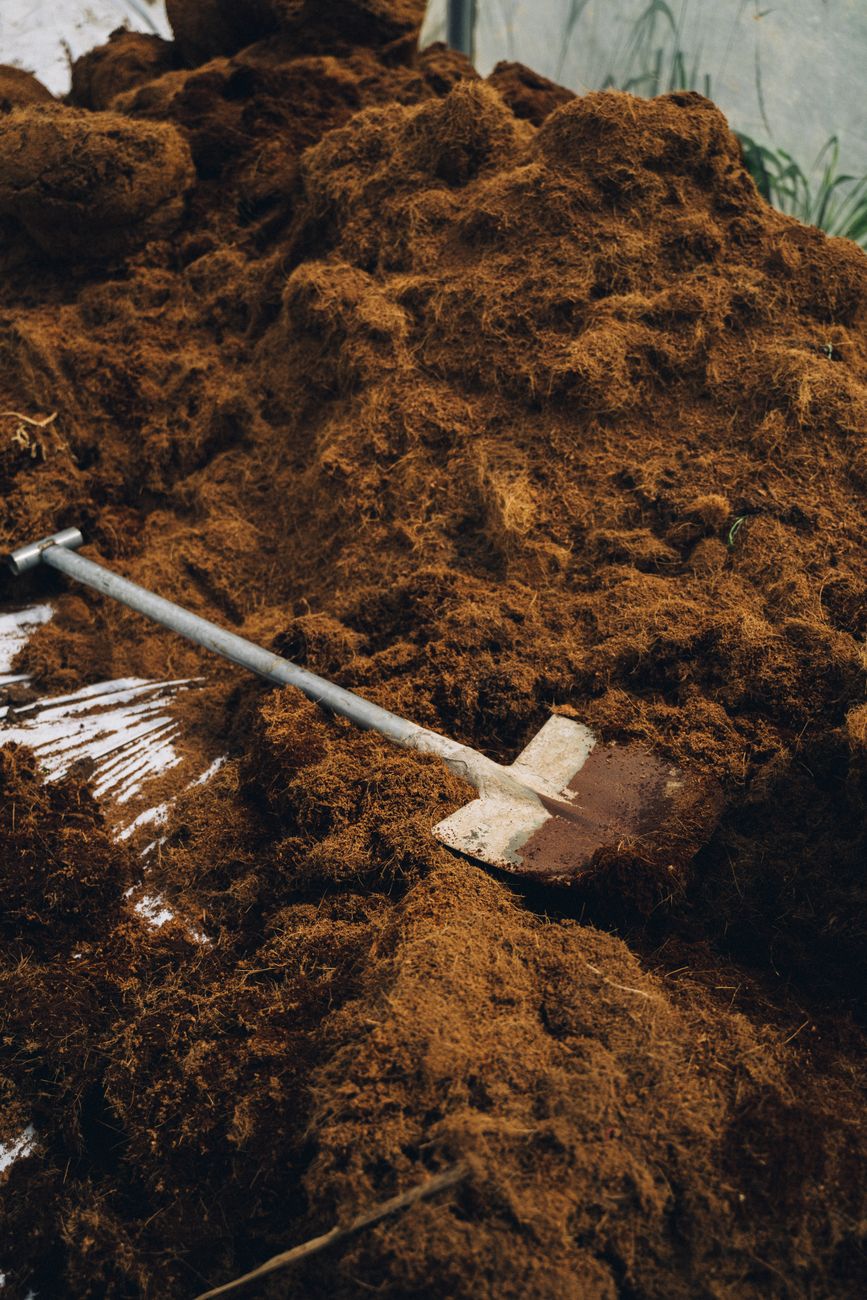
A ten-dollar soil test kit from the garden center tells you exactly what your soil needs. Most garden soil benefits from two to three inches of compost worked into the top six inches. Compost improves drainage in clay soil and water retention in sandy soil. It is the universal soil fixer.
Do not till wet soil. Grab a handful and squeeze it — if it forms a ball that does not crumble when you poke it, the soil is too wet. Wait a few days. Tilling wet soil creates hard clods that take years to break down.
Plan before you plant
Draw a rough map of your garden beds. Rotate crops from last year. If tomatoes were in bed one last year, put them in bed two this year. Plants in the same family (tomatoes, peppers, eggplants) pull the same nutrients from the soil and attract the same pests. Moving them reduces disease pressure.
Tall plants on the north side so they do not shade shorter plants. Vining plants like cucumbers need a trellis. Write it down — by June you will not remember what you planted where.
Mulch before you need it
Lay down two to three inches of mulch right after planting. Mulch suppresses weeds, retains moisture, and regulates soil temperature. Straw, shredded leaves, wood chips — anything organic works. Do not pile mulch directly against plant stems — leave a one-inch gap to prevent rot.
📋 Quick Summary: Clear dead material, test soil and add compost, rotate crops, mulch after planting. One afternoon of prep in March means a productive garden all summer. Do not till wet soil.