The Energy Vampires in Your Home Draining Electricity

How many things in your house are plugged in right now that you are not using? For me, the answer is somewhere around twenty. The TV, the gaming console, the microwave, three phone chargers, the coffee maker, the printer, the soundbar — all sitting there drawing power while I do nothing. This is called standby power or “vampire draw,” and it can add ten to fifteen percent to your electric bill.
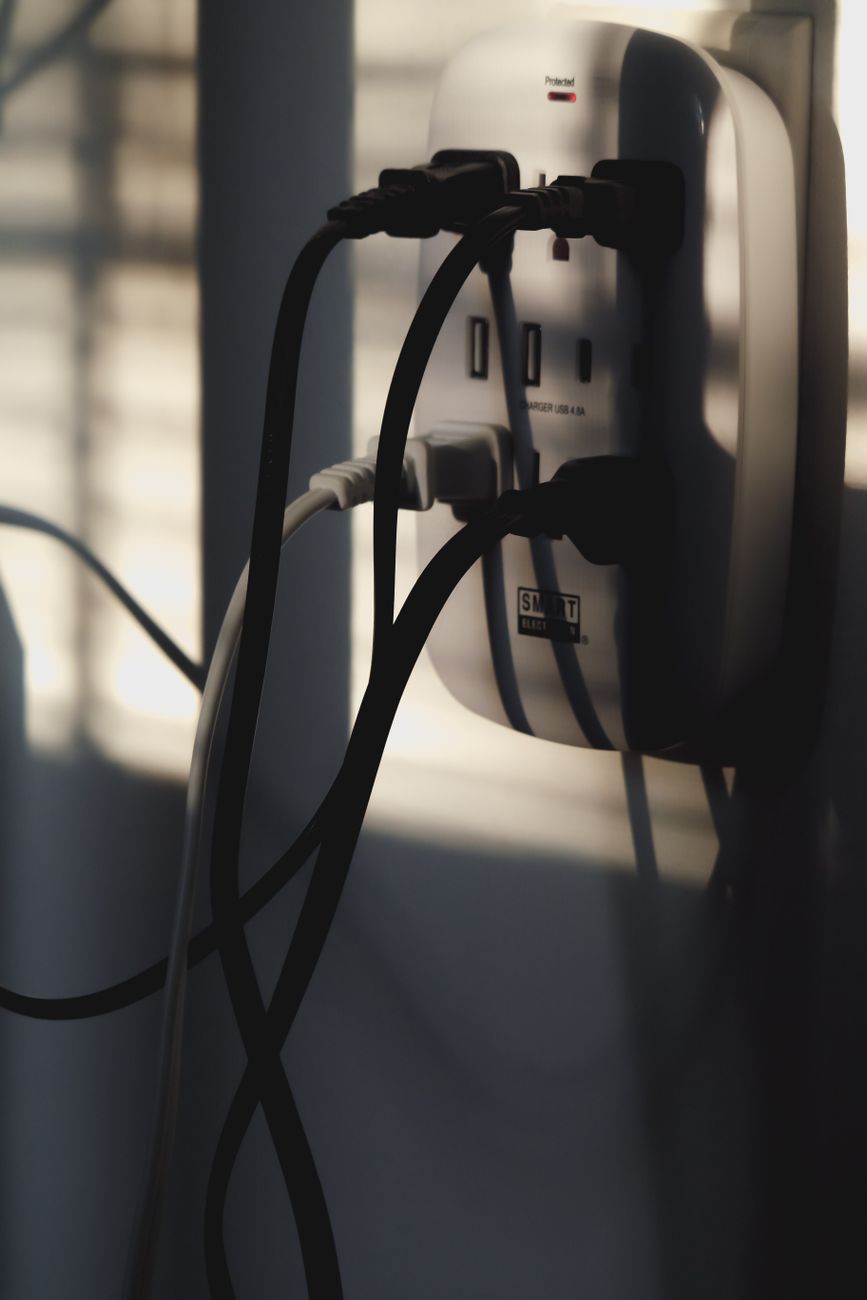
I measured mine. The results were annoying enough that I actually changed my habits.
The Biggest Offenders
I bought a kill-a-watt meter for twenty-five dollars. You plug it into the wall, then plug your device into it, and it shows you exactly how much electricity is being drawn. Here is what I found in my own house:
- Cable box/DVR: 25 watts, even when “off.” These are the worst. They never actually turn off because they need to stay connected to download program guides and recordings. Twenty-five watts continuous is about twenty-five dollars a year depending on your electricity rate.
- Gaming console (standby): 15 watts in “instant-on” mode. Switching to energy-saving standby dropped it to under 1 watt.
- Desktop computer + monitor (sleep): 12 watts combined. Actually shutting it down instead of sleeping saves about ten dollars a year.
- Microwave (clock display): 3 watts. Not much on its own, but there are dozens of these small draws in every home.
- Phone charger (no phone attached): 0.3 watts. Almost nothing. Modern chargers are efficient when idle. This is the one people worry about that actually does not matter much.
The Simple Fix: Power Strips
Plug groups of electronics into a power strip with a switch. When you are done, flip the switch. This physically cuts power to everything on the strip. No vampire draw.
I put my TV, soundbar, and gaming console on one power strip. When I am done watching, I flip the switch. The strip itself cost eight dollars. It saves maybe twenty-five dollars a year in standby power. That is a pretty good return.
For harder-to-reach outlets — like behind the entertainment center — get a power strip with a remote control switch. Costs about fifteen dollars. You press a button instead of crawling behind furniture.
What Is Worth Unplugging and What Is Not
Things worth putting on a switched power strip:
- Entertainment systems (TV, gaming, soundbar, streaming box)
- Computer setups (monitor, printer, speakers, external hard drives)
- Charging stations (multiple chargers on one strip)
Things not worth worrying about:
- Individual phone chargers (0.3 watts is negligible)
- LED light bulbs in off position (they draw effectively nothing)
- The microwave (moving it to reach the plug is more hassle than the three watts is worth)
I am not saying you need to unplug your toaster every morning. But putting your entertainment center on a switched power strip takes five minutes and saves real money over time. The kill-a-watt meter was eye-opening. Some of the numbers made me genuinely angry at my cable box.
Quick Summary: Cable boxes, game consoles, and computer setups draw power even when “off.” Put them on a switched power strip and cut power when not in use. Saves 10-15% on your electric bill. A kill-a-watt meter shows you which devices are the worst.