My Wife Banished My Running Shoes to the Balcony Because of the Smell

I have a pair of running shoes that I wore nearly every day for two years. They were comfortable, broken in, and molded perfectly to my feet. They also smelled like something had died inside them and then died again. My wife banned them from the house. I had to keep them on the balcony, where I hoped the fresh air would somehow neutralize them. It didn’t. They just became cold shoes that smelled terrible.
Understanding the Problem
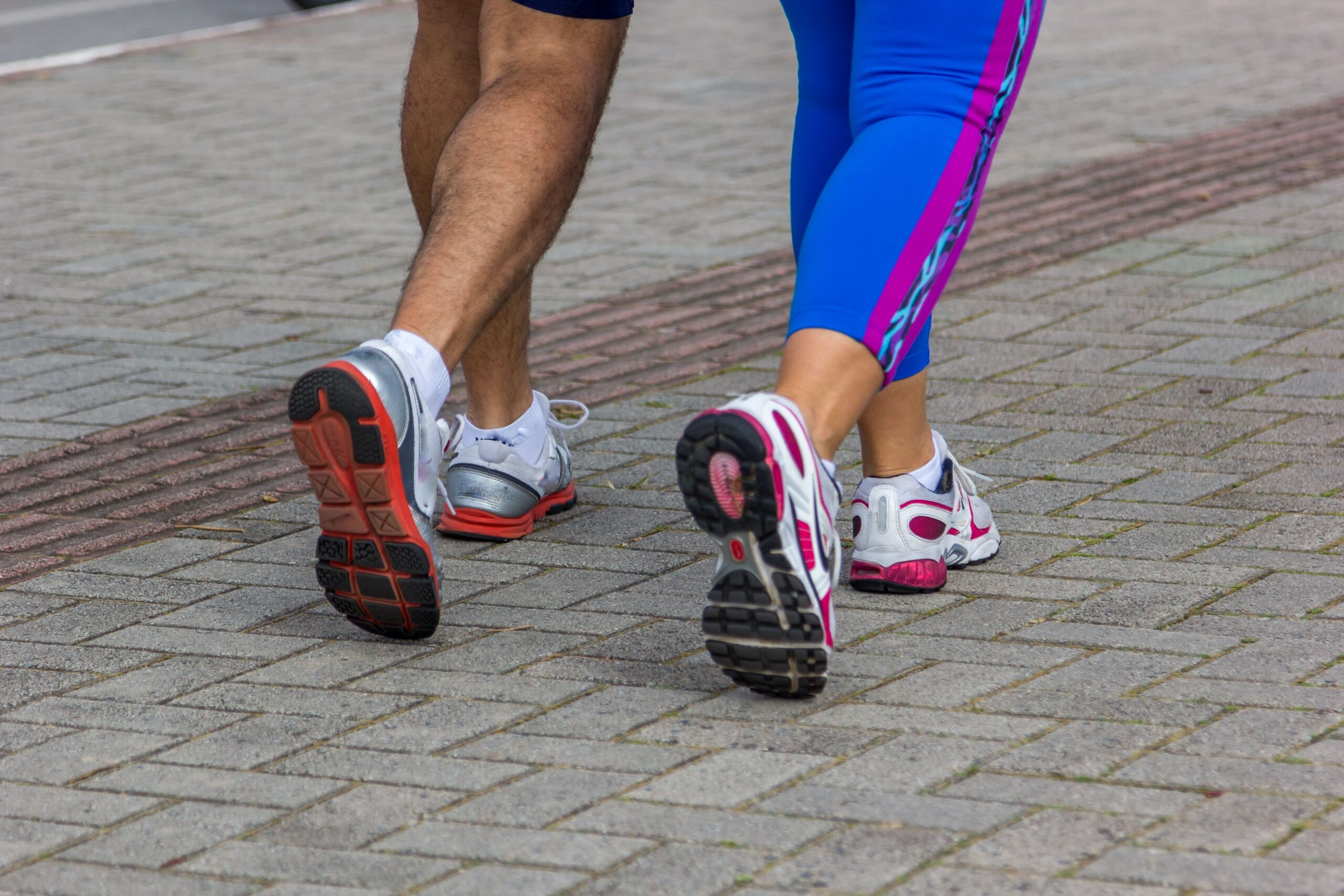
📸 Photo by Jari Lobo on Pexels
Desperate, I tried the washing machine. That was a mistake. The shoes came out clean but misshapen. The sole separated slightly from the upper. The cushioning never felt quite the same. I had traded the smell problem for a structural integrity problem, and the shoes were basically unwearable after that.
Here is what I learned about cleaning shoes properly, which I applied to my next pair and to every pair since.
The fundamental problem with smelly shoes is bacteria. Your feet have more sweat glands per square inch than any other part of your body, and that sweat creates a warm, moist environment in your shoes where bacteria thrive. The odor is not the sweat itself. Sweat is mostly water and salt and has almost no smell. The odor is bacterial waste products, which are produced when the bacteria on your skin digest the components of your sweat. To eliminate shoe odor, you need to kill the bacteria, not just mask the smell.
The Proven Solution
The most effective method I’ve found is freezing. Place your shoes in a sealed plastic bag and put them in the freezer overnight. The extreme cold kills most odor-causing bacteria. This doesn’t clean the shoes in the traditional sense, but it eliminates the smell at its source. Let the shoes warm back to room temperature before wearing them. This method works best on shoes that smell but aren’t visibly dirty.
For shoes that are both smelly and dirty, the washing machine can work if you do it correctly. Remove the laces and insoles. Place the shoes in a mesh laundry bag or an old pillowcase tied shut. Use cold water on the gentlest cycle with a small amount of detergent. Never use hot water, which can melt adhesives and warp materials. Never put shoes in the dryer. Air-dry them in a well-ventilated area, stuffed with newspaper to absorb moisture and maintain their shape. Change the newspaper after a few hours.
Long-Term Prevention Tips
The insoles are usually the primary source of odor. I remove my insoles and sprinkle them with baking soda, let them sit overnight, and vacuum or shake off the baking soda in the morning. For severe cases, I spray the insoles with a mixture of equal parts water and white vinegar, let them air-dry completely, and the vinegar neutralizes both the bacteria and the odor.
Prevention is even easier than treatment. I now rotate between at least two pairs of shoes so each pair gets at least twenty-four hours to dry out completely between wears. I wear moisture-wicking socks rather than cotton, which holds moisture against the skin. And I store my shoes in a place with good airflow, not in a closed closet or a gym bag.
My current running shoes don’t smell, and my wife allows them in the house. That’s the standard I’m aiming for.