The Dry Rice Myth and What Actually Works for a Wet Phone
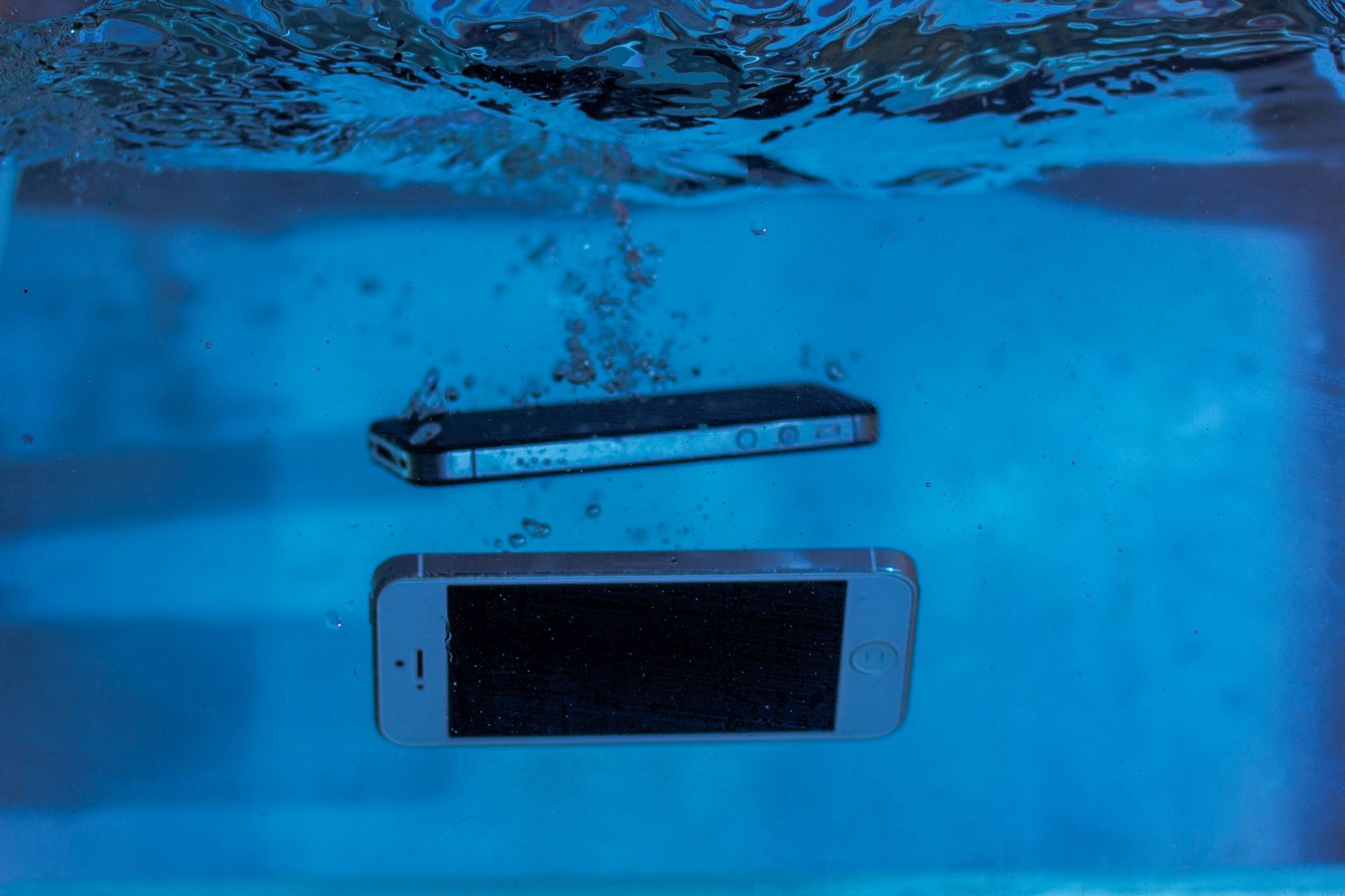
I dropped my phone in a sink once. Rice was everywhere in ten seconds. My roommate poured an entire bag of jasmine rice into a bowl and submerged my phone like we were making phone risotto. It did not work. The phone survived anyway because it was only wet for about two seconds, but the rice did absolutely nothing.
The dry rice myth has been debunked repeatedly — by Apple, by iFixit, by multiple teardown experts — but it refuses to die. Here is what actually saves a wet phone.
Why rice does not work
Rice absorbs water slowly and only from direct contact. The rice grains touching your phone might pull some moisture from the charging port but the water inside the phone — between the screen and the circuit board, under the battery — sits there untouched. Rice dust also gets into ports and speaker grilles and causes its own problems. Apple specifically warns against putting iPhones in rice because the starch particles can damage internal components.
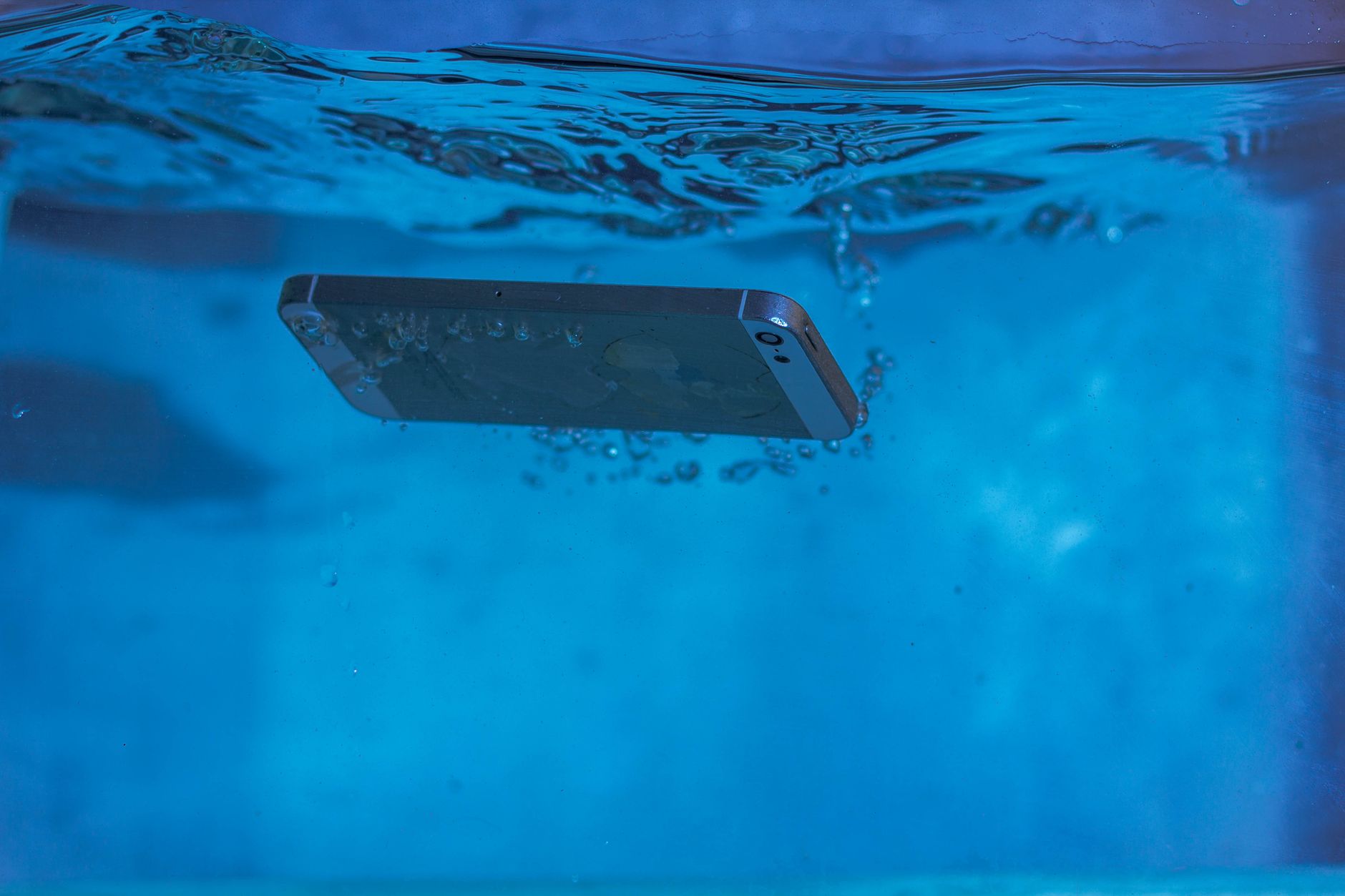
Step one: Get it out immediately
Speed is everything. Water causes two types of damage: short circuits while the phone is on, and corrosion over time even after it dries. Pull the phone out immediately. Power it off. Do not plug it in to check if it works — charging a wet phone is how you turn a wet phone into a dead phone.
Step two: Remove everything you can
Take off the case. Remove the SIM card tray. If your phone has a removable back and battery — rare these days — remove the battery. The goal is to expose as much internal surface area to air as possible.
Step three: Gravity and airflow, not rice
- Hold the phone with the charging port facing down. Tap it gently against your palm to encourage water to drip out. Do not shake aggressively — you might spread water farther inside.
- Place the phone in a dry, well-ventilated area. A desk near a fan is ideal. Point the fan at the phone. Moving air is what dries things — not rice, not silica gel, not magic.
- Leave it for at least 24 hours. Longer if the phone was fully submerged. 48 hours is safer. Do not turn it on to check. Every time you power it on before it is fully dry, you risk a short circuit.
Silica gel packets — the slightly better alternative
If you happen to have a pile of silica gel packets — the little “DO NOT EAT” packets that come in shoe boxes — they absorb moisture faster than rice. Put your phone in a sealed container with a bunch of them. It is still not as effective as open air with a fan but it is better than rice. Most people do not have a container full of silica gel packets on hand. I do not. I use a fan.
Water resistance is not waterproof
Modern phones have IP ratings for water resistance but that rating degrades over time. The seals wear out. A phone that survived a dunk two years ago might not survive the same dunk today. IP ratings are tested in fresh water — salt water and chlorinated pool water are much more corrosive. If your phone goes in the ocean, rinse it with fresh water immediately before drying. Salt residue destroys electronics faster than water alone.
I no longer keep bulk rice in my apartment for emergency phone drying. I keep a small fan and patience. Those actually work.
📋 Quick Summary: Do not put a wet phone in rice. Power it off, remove the case and SIM tray, hold it port-down, and place it in front of a fan for 24-48 hours. Rice dust can damage ports and it does not dry the inside of the phone.