The Correct Way to Wash Your Hands So You Actually Kill Germs
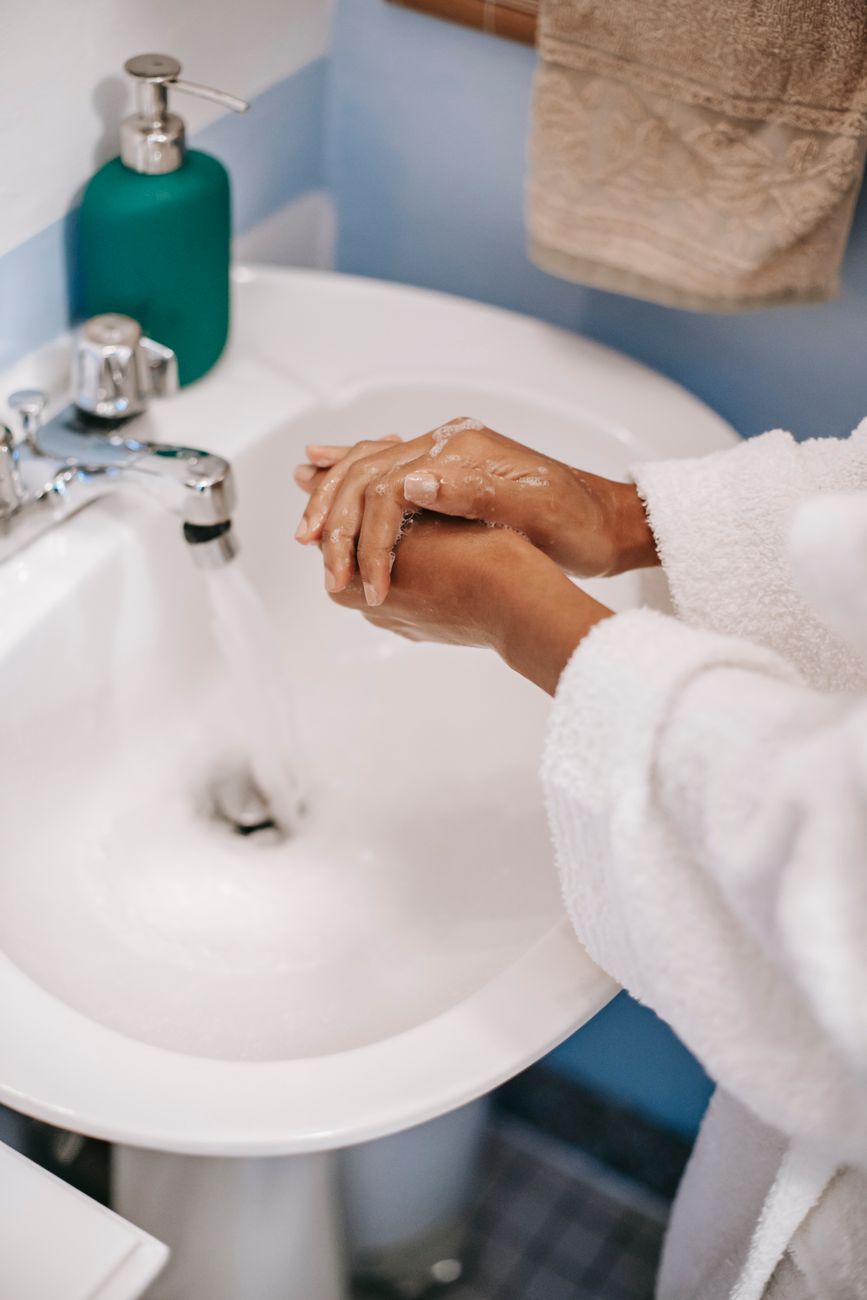
I watched a doctor wash her hands once — not in a hospital, just in the break room before eating a sandwich — and it was like watching someone perform a small ritual. She scrubbed between every finger, under her nails, around each wrist. It took maybe 45 seconds. I realized I had been doing it wrong my entire life: a quick squirt of soap, rub palms together, rinse. Maybe ten seconds total.
Hand washing is not about killing germs — it is about removing them. Soap does not murder bacteria; it makes your hands too slippery for germs to hold on. But only if you do it long enough and thoroughly enough.
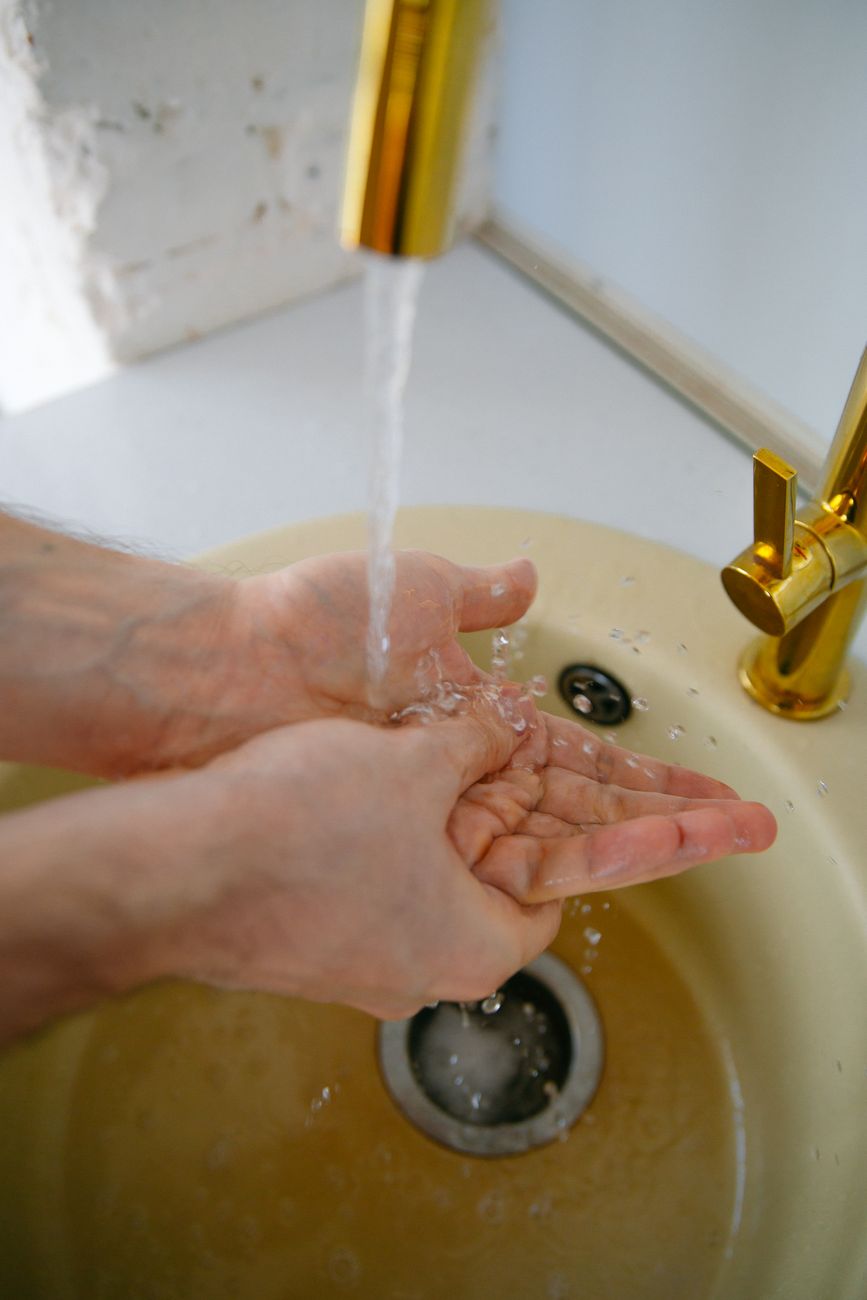
Why 20 Seconds Is Not Arbitrary
The 20-second rule comes from studies showing that shorter washing leaves significant bacteria on hands, especially in fingertip creases and under nails — the areas people skip. Twenty seconds of friction is the minimum to remove enough germs to reduce infection transmission. Sing “Happy Birthday” twice if you need a timer. I hum the chorus of a song I like twice through and it lands at about 22 seconds.
The Technique That Makes the Difference
Wet hands with clean water (temperature does not matter — warm, cold, it is the same). Apply enough soap to cover all surfaces. Then scrub in this order: palms together → back of each hand → between fingers (interlace them) → backs of fingers against opposite palm → each thumb (grip and rotate) → fingertips into opposite palm → wrists. This is the WHO-recommended sequence, and there are posters of it in every hospital bathroom for a reason. Rinse thoroughly — soap residue traps germs instead of removing them.
Dry Your Hands Completely — This Step Matters
Wet hands transfer germs 1,000 times more easily than dry hands. Use a clean towel or paper towel. If you are in a public bathroom, use the paper towel to turn off the faucet and open the door — those surfaces are the dirtiest things in the room. I keep a small pack of tissues in my bag for bathrooms that only have air dryers, which take forever and blow germs around.
Liquid Soap vs. Bar Soap — It Does Not Matter
The type of soap is almost irrelevant. Plain soap works as well as antibacterial soap for everyday use, and the FDA has actually banned several antibacterial ingredients (like triclosan) over safety concerns. Bar soap at the sink is fine — bacteria do not transfer from the bar in meaningful amounts. What does matter is that the soap lathers well. Foam gives the surfactants surface area to lift oils and germs off skin. If your bar soap is down to a sliver that will not lather, replace it.
When Hand Sanitizer Is Better (and When It Is Not)
Hand sanitizer with at least 60% alcohol is excellent when hands are not visibly dirty and there is no access to soap and water. But sanitizer does not remove dirt, grease, or certain germs (like norovirus and C. diff). If your hands are actually dirty — after gardening, handling raw meat, or using the bathroom — you need soap and water. Sanitizer is a backup, not a replacement. I keep a small bottle in my car and use it after pumping gas, but at home I wash with soap every time.
📋 Quick Summary: Soap removes germs; it does not kill them. Twenty seconds minimum — scrub between fingers, under nails, around thumbs and wrists. Dry hands completely — wet hands transfer 1,000x more germs. Plain soap works as well as antibacterial. Sanitizer is a backup, not a soap replacement. The technique, not the product, is what matters.