The Chiffonade Method for Cutting Herbs Like a Restaurant
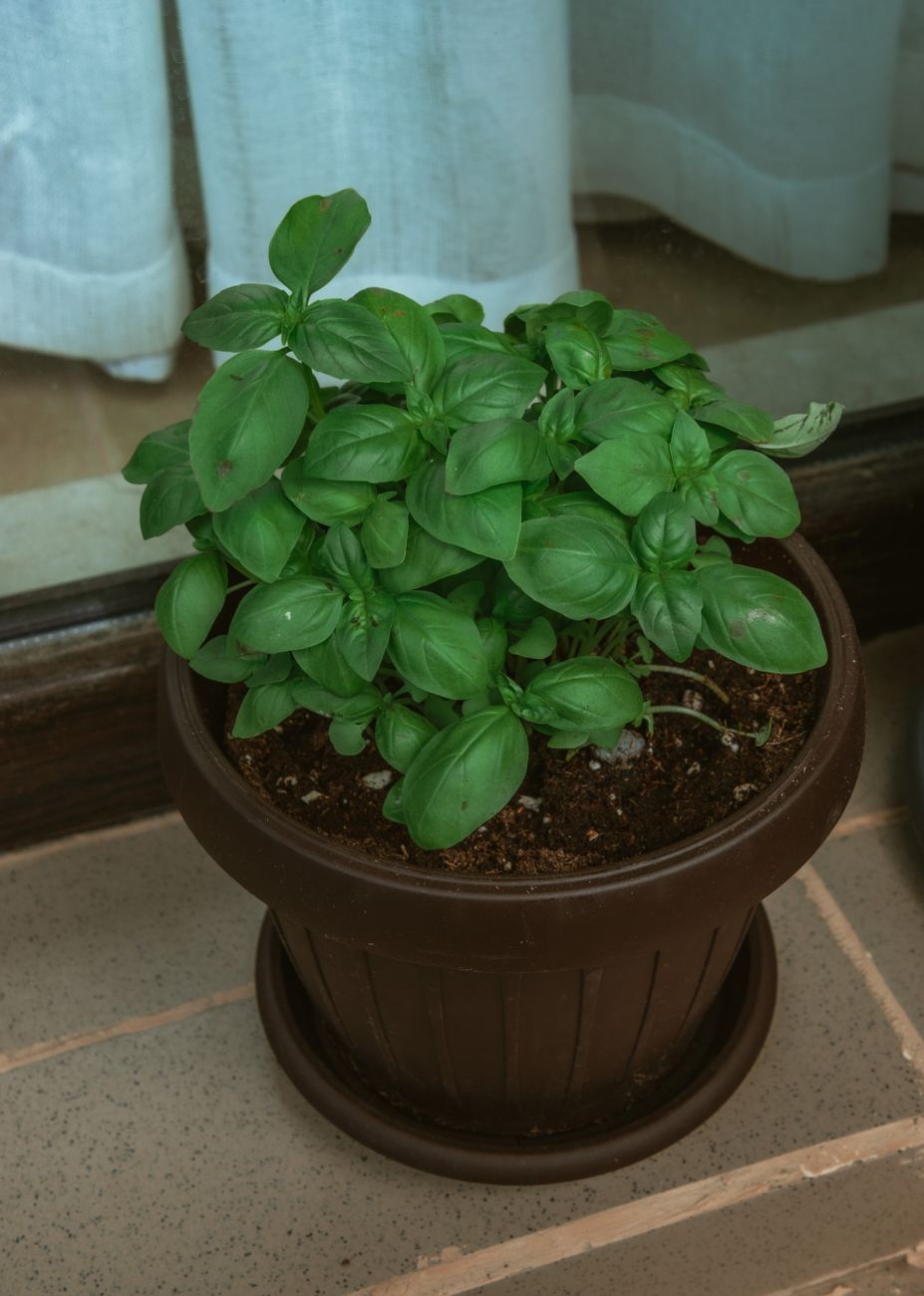
Stack the basil leaves, roll them tight like a cigar, and slice thin ribbons across the roll. That is chiffonade, and it is the single most useful knife technique I have ever learned from a restaurant kitchen. It took me about three tries to get it right, and now I use it for basil, mint, sage, and even spinach when a salad calls for it. It takes ten seconds and it makes your food look like it came from somewhere fancier than your stove.
Why roll and slice beats chopping
Chop basil with a regular rocking motion and you bruise the leaves. The blade crushes the delicate cells, the basil turns dark, and you lose the fresh flavor that is the whole point of using fresh herbs. The chiffonade roll keeps the leaves stacked tight so the knife slices clean through, cutting the cells instead of crushing them. The result is bright green ribbons that hold their flavor and their looks.
How to do it right
- Pick the leaves off the stems and stack them flat, largest on the bottom.
- Roll the stack tightly from one short end, like a cigar.
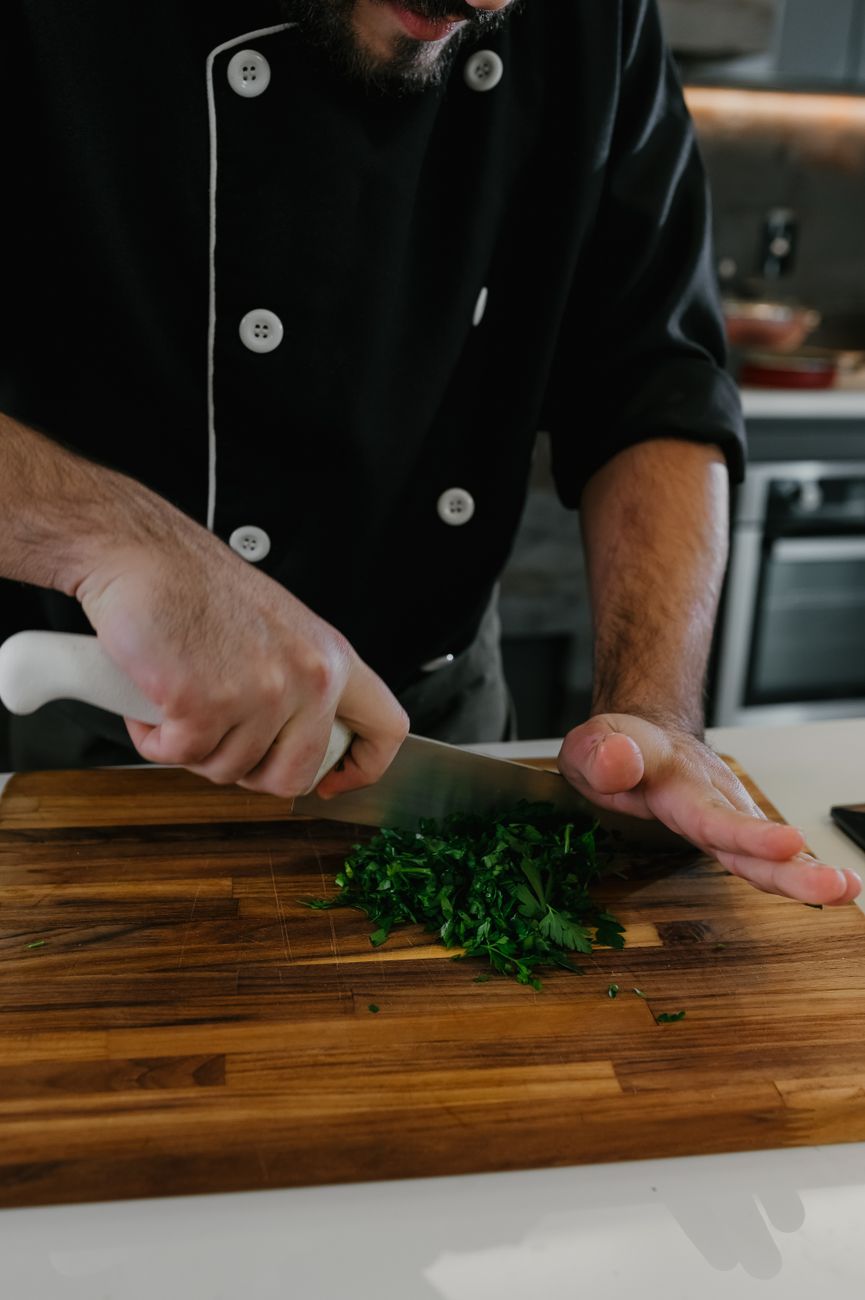
- Hold the roll with your fingertips, knuckles forward.
- Slice across the roll into thin ribbons, about an eighth of an inch wide.
- Fluff the ribbons with your fingers to separate them.
The mistakes I made the first time
My first attempt was a pile of bruised green mush, and I figured out why. I rolled the leaves loosely, so the knife crushed them instead of slicing. I also used a dull knife, which is a crime for herbs, because a dull blade pushes and tears instead of cutting. And I sliced too thick, so I got green chunks instead of ribbons. Tight roll, sharp knife, thin slices, and it works every time.
When chiffonade is the wrong tool
Chiffonade is for tender herbs you want to look pretty and stay fresh, like basil on pasta or mint in a salad. It is the wrong move for hardy herbs like rosemary and thyme, which are too woody to roll, and for anything going into a long cooked dish where the herbs break down anyway. For cooked dishes, a rough chop is fine, the flavor is what matters, not the ribbons.
Add them at the end
The other restaurant secret is timing. Delicate herbs go in at the end of cooking or raw on top, never simmered for an hour. A handful of basil ribbons stirred into pasta sauce in the last thirty seconds keeps its color and perfume, while the same basil added at the start turns into brown nothing. That one timing rule changed my pasta game more than any fancy ingredient ever did.
The first time I made caprese salad with proper chiffonade ribbons, my wife asked if I had ordered it from somewhere. No, I said, trying to sound modest, and then I told her about the rolled leaves and the sharp knife for twenty minutes, because I am very cool at parties. The ribbons really do make the difference, though.
📋 Quick Summary: Stack basil leaves, roll them tight like a cigar, and slice thin ribbons across the roll with a sharp knife. Add the ribbons at the end of cooking so they keep their color.