Why You Should Always Let Meat Rest Before Cutting Into It
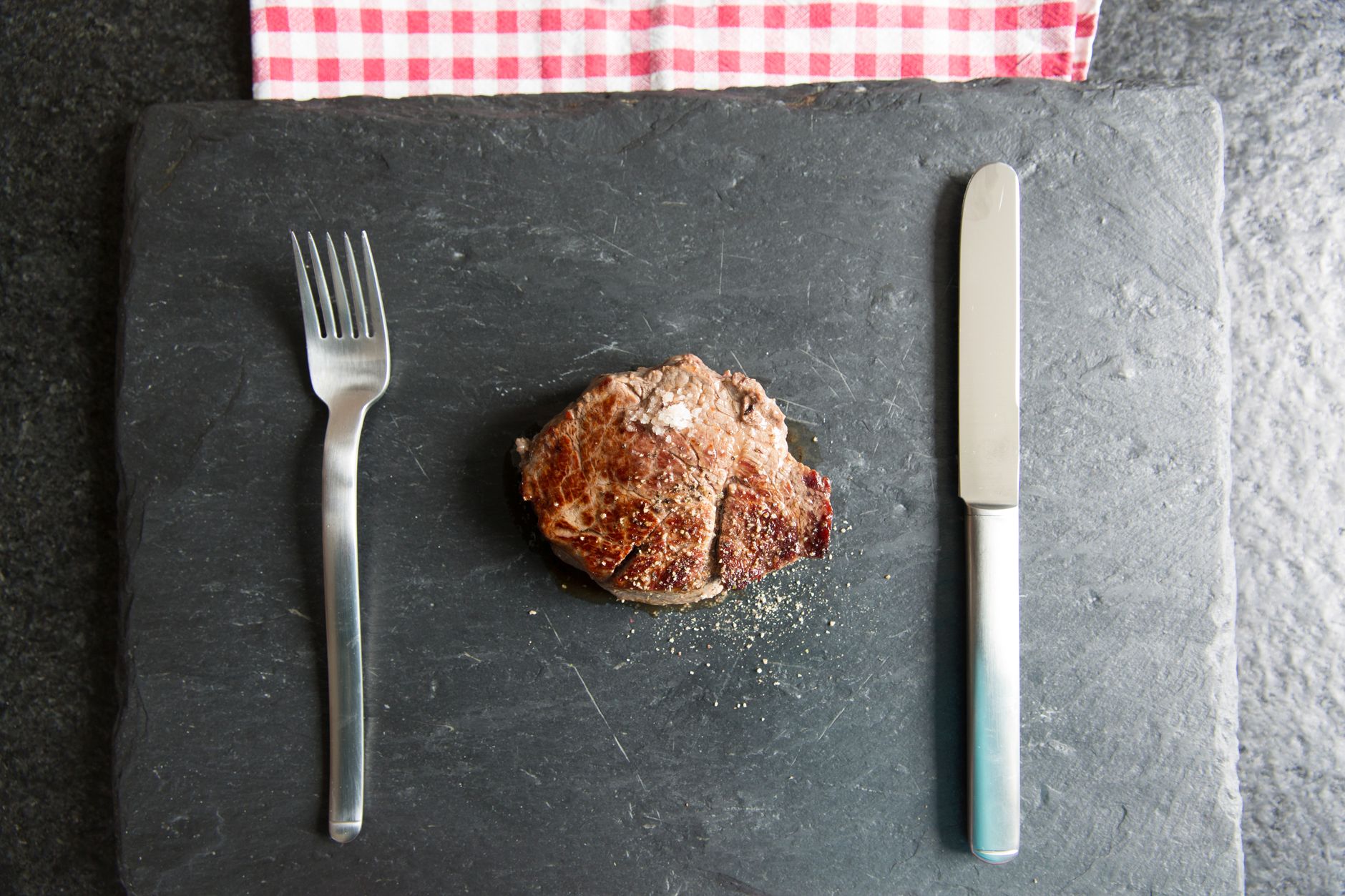
The first steak I ever cooked for someone I wanted to impress, I sliced immediately. Right off the hot pan. The cutting board flooded. I watched all the juices — juices I had spent ten minutes basting with butter and garlic — spill out onto the board and not the plate. She was polite about it. I was not.
Turns out there’s a reason every recipe tells you to rest meat, and it’s not just tradition for tradition’s sake.
What actually happens inside the meat
When you cook a piece of meat, the muscle fibers contract. Heat squeezes moisture from the center toward the edges. Cut immediately and those juices have nowhere to go but out.
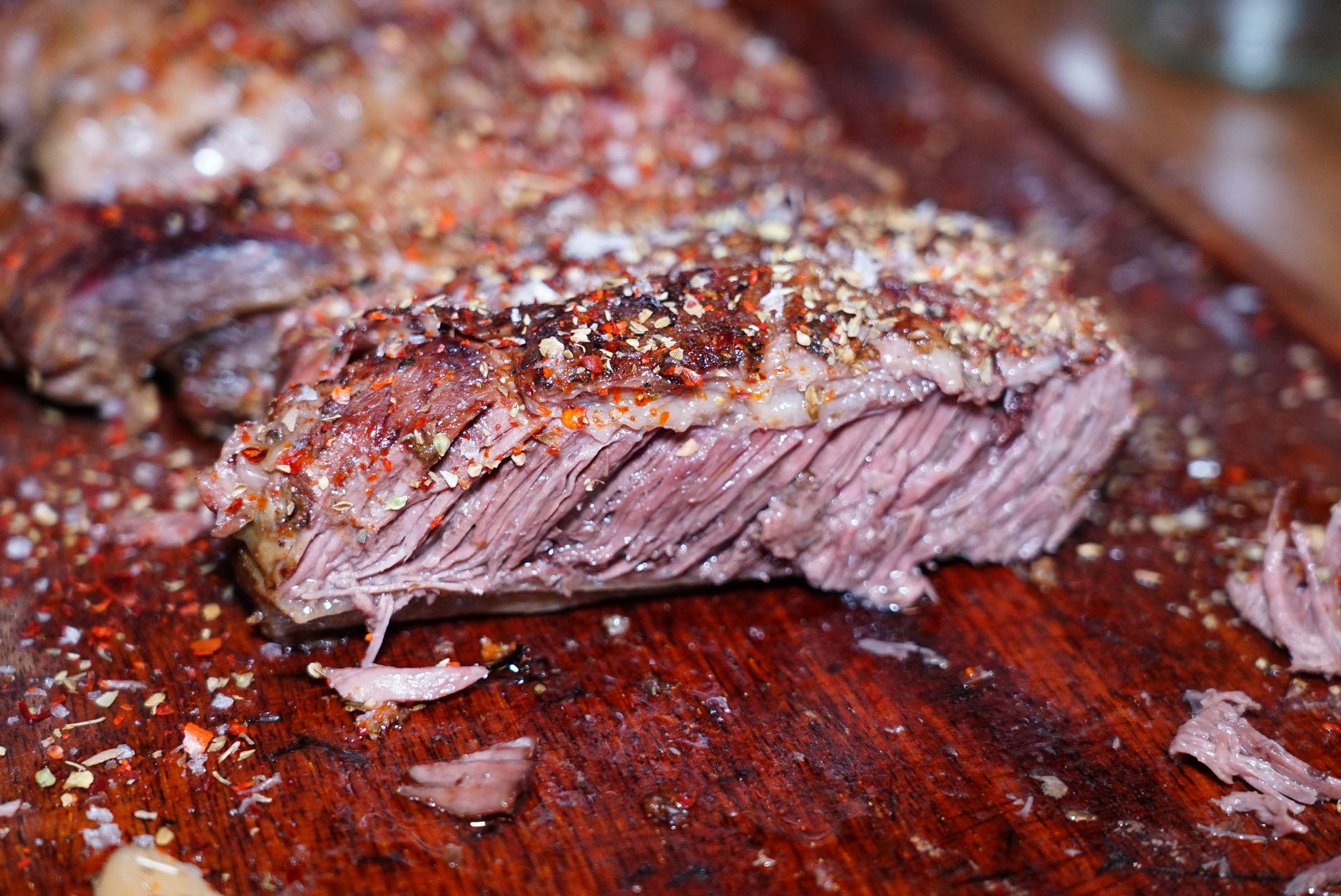
Let it rest, and the fibers relax. Moisture redistributes back through the meat. The temperature evens out. The result is a piece of meat that holds its juice when you cut it instead of bleeding onto the board.
How long to rest
The rule I follow is stupid simple: rest for half the cooking time. Pan-seared steak that took eight minutes? Rest four. A roast chicken that was in the oven for an hour? Rest thirty minutes.
For steaks and chops, five to ten minutes almost always does it. For big roasts, give it fifteen to twenty. Cover loosely with foil — not tight, you don’t want to steam the crust you worked for.
Does it get cold?
This is what I worried about. A room temperature steak is sad. Here’s what helped: warm your plates. Run them under hot water for thirty seconds, dry them, and plate the rested meat on them. The internal temp drops maybe five degrees during a proper rest, which is nothing when the plate is warm.
Also: the meat keeps cooking for a few minutes after it leaves the heat. That five degree drop puts a medium-rare steak right where you want it.
What about chicken and fish?
Chicken: yes, rest it. The breast especially — five minutes minimum. Thighs are more forgiving but still benefit.
Fish: barely. A minute or two for thick fillets. Delicate white fish you can serve right away — it doesn’t have the same muscle structure.
I learned this the hard way with enough dry chicken breasts to fill a cookbook of regret. Resting is not optional if you care about texture. It’s the difference between “this is good” and “how did you make this?”
📋 Quick Summary: Rest meat for half the cooking time. Muscle fibers relax, juices redistribute, and the meat stays moist when you cut it. Cover loosely with foil, warm your plates, and that five-minute wait is the difference between dry and perfect.