The Cardboard Template Trick That Saves You From Mis-Drilling Holes
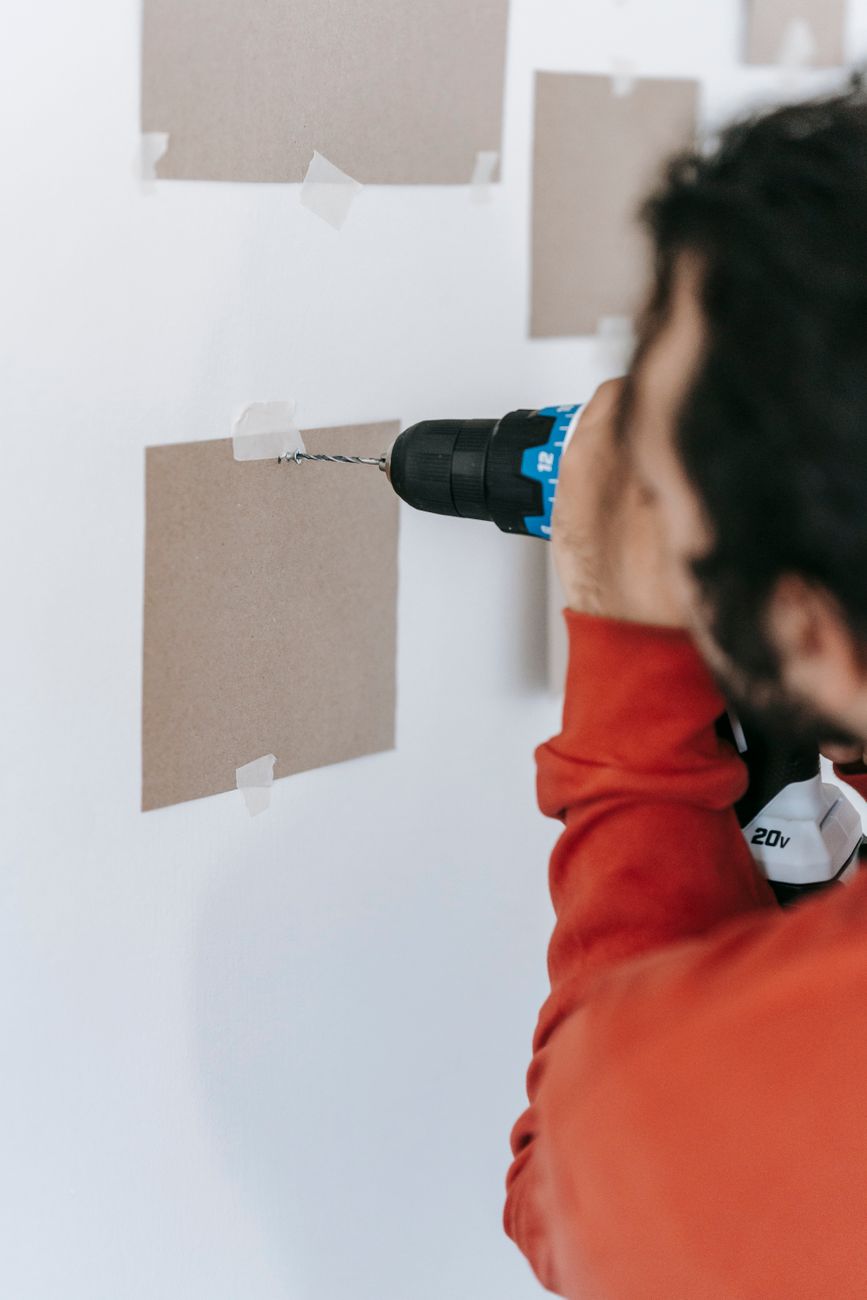
I hung a shelf last month. Four mounting holes. I measured twice. I marked the wall with a pencil. I drilled. Only three of the four holes lined up with the bracket. The fourth one was off by about half an inch.
I now have a shelf that’s slightly crooked and an extra hole in my wall hidden behind it. The shelf works. Every time I look at it, I know.
The template trick
Before you drill anything into the wall, make a cardboard template. Use the side of a shipping box. Hold the bracket or fixture against the cardboard. Mark the holes. Poke a pencil through each hole to make a clear mark. Cut the cardboard to roughly the size of the object.
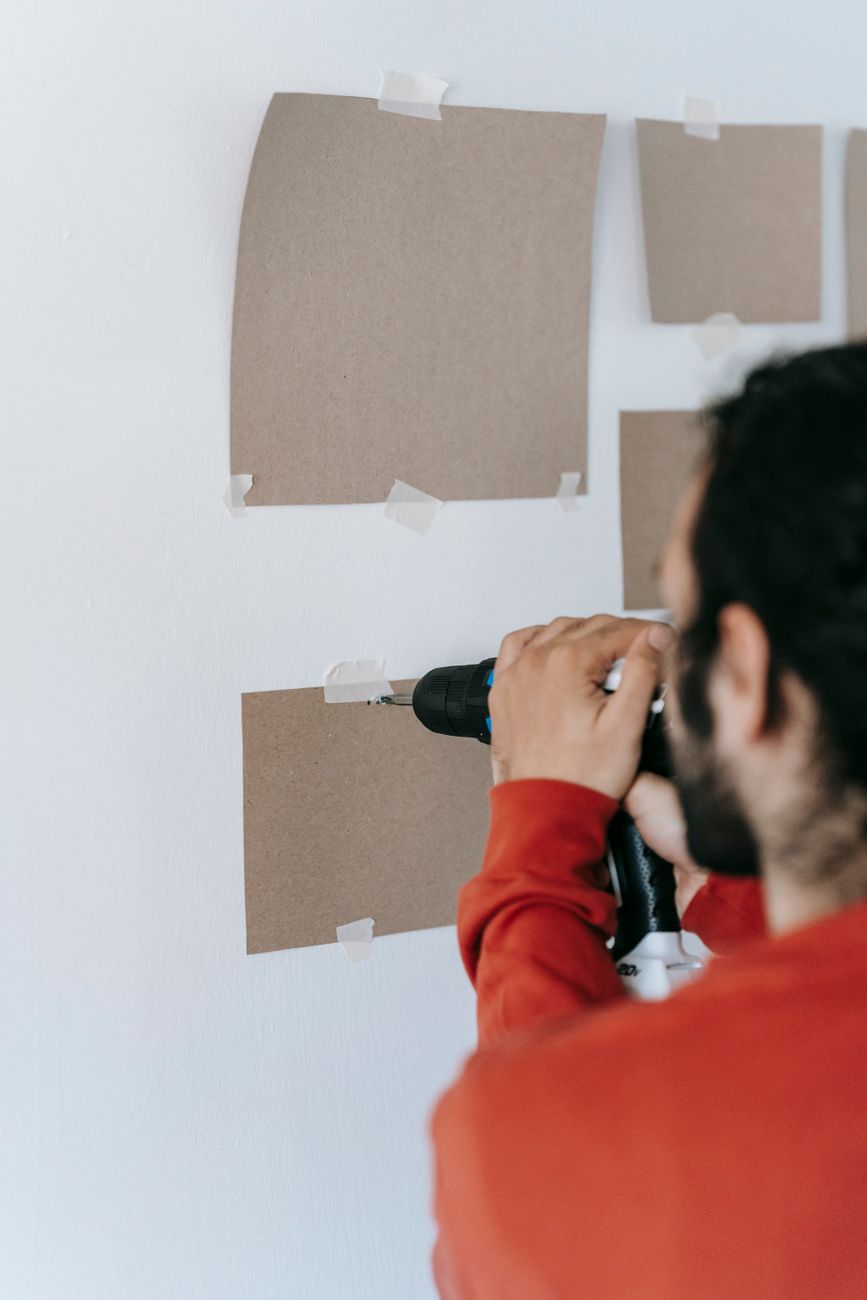
Now you have a lightweight, exact replica of your mounting holes. Tape it to the wall. Move it around until the placement is perfect. Use a level — the template is easy to adjust. The actual heavy bracket, not so much.
Once the template is level and in the right spot, push a pencil through each hole to mark the wall. Remove the template. Drill.
Why this saves you
Drywall doesn’t forgive mistakes. You drill a hole in the wrong spot, you now have a hole to patch, sand, and paint. With a template, you’re not guessing. You’re transferring an exact pattern from a piece of trash cardboard.
Also: templates are free. Every Amazon delivery comes with template material.
What else to template
- Curtain rod brackets. Getting both sides level is hard. Template both sides simultaneously on one piece of cardboard, tape the whole thing up, mark both sides at once.
- Towel bars. Same problem as curtain rods. Template solves it.
- TV wall mounts. The heavy, expensive mistake zone. Template first. Always.
- Picture gallery walls. Cut templates for each frame. Tape them all up. Move them around. Live with the arrangement for a day before you commit with nails.
The extra step for studs
If you’re mounting something heavy, you need to hit studs. Use a stud finder to locate them. Mark the stud locations directly on your cardboard template. Now when you tape the template to the wall, you know exactly where the studs are relative to your mounting holes.
No more “I think a stud is around here somewhere” followed by an anchor in drywall that pulls out six months later.
📋 Quick Summary: Make a cardboard template from shipping boxes. Mark all mounting holes on it. Tape to wall, level, mark through holes, remove, drill. Also use for curtain rods, towel bars, TV mounts, and picture walls. Mark stud locations on the template for heavy items.