Silence Noisy Pipes with Foam Pipe Insulation
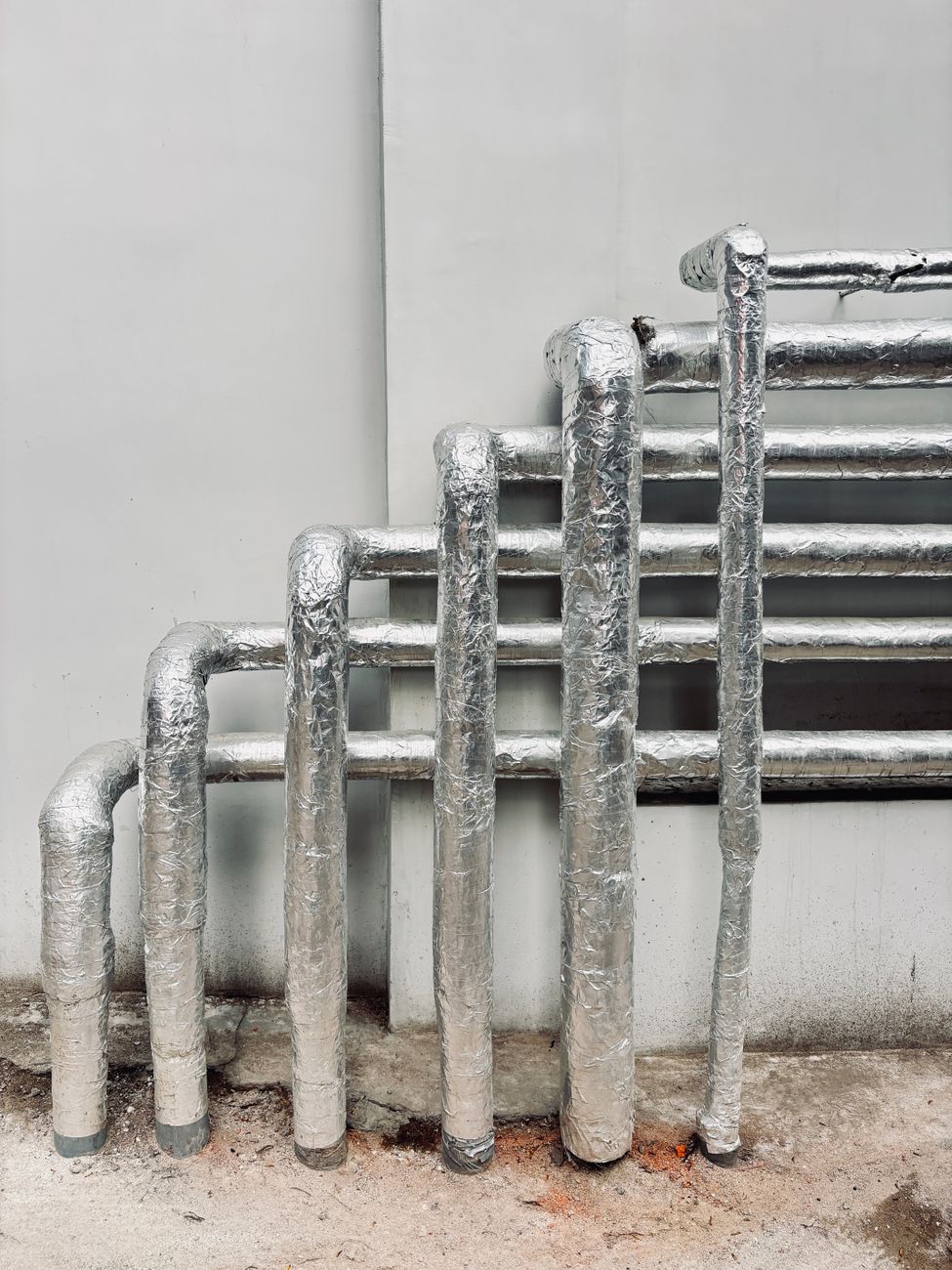
The pipes in my bathroom wall made a banging sound every time someone flushed the toilet upstairs. It was not a quiet little tap — it was a full-on thunk that would wake me up at 2 AM. I lived with it for almost a year because I assumed fixing it meant opening up the wall.
Two Different Kinds of Noisy Pipes
First you need to figure out which kind of noise you are dealing with. They sound similar but have completely different fixes:
Water hammer: A single loud bang when a valve closes quickly — like when the washing machine stops filling or a faucet shuts off fast. This is the sudden stop of water flow sending a shockwave through the pipes. Fixing this usually means installing water hammer arrestors or adjusting your home’s water pressure at the main valve.
Pipe rattle or expansion noise: A clattering or creaking sound when hot water flows through pipes. As copper pipes heat up, they expand and rub against the wood framing they pass through. When they cool, they contract and make the same noise again. This is what foam insulation fixes.
How Foam Pipe Insulation Silences the Rattle
Foam pipe insulation is basically a long foam noodle with a slit down one side. You snap it around the pipe. It costs about two dollars for a six-foot length at any hardware store. The foam does two things:
- It absorbs the vibration and expansion movement so the pipe is not directly rubbing against wood or drywall.
- It insulates the pipe thermally, which means the pipe heats up and expands more gradually — less sudden movement means less noise.
You only need to insulate the sections of pipe you can access — under sinks, in the basement, in crawl spaces. If the noise is coming from inside a finished wall, insulating the accessible sections on either side of the wall will often reduce the noise enough that it stops being a problem, even if you cannot reach the pipe inside the wall itself.
Installation Takes Longer to Describe Than Do
- Measure the exposed pipe diameter. Most household copper pipe is 1/2 inch or 3/4 inch. Buy the matching foam size.
- Cut the foam to length with scissors. It cuts like butter.
- Snap it around the pipe. The adhesive strip along the slit seals it closed.
- For corners and joints, cut the foam at a 45-degree angle so the pieces butt together.
- Use zip ties or duct tape every few feet to keep the foam from sliding or opening over time.
For the pipes under my bathroom sink — the ones I could reach — this took about 15 minutes. The banging when the upstairs toilet flushed went from a 7 out of 10 to maybe a 2. I still hear a faint thud sometimes, but it no longer jolts me awake.
📋 Quick Summary: For pipe rattle (not water hammer), snap foam pipe insulation around accessible hot water pipes. It absorbs vibration and expansion noise. $2 per 6-foot length. Zip-tie to secure. 15-minute fix.
If it turns out you have actual water hammer and not just rattling pipes, the foam will not help. But for my situation, it was the cheapest and easiest home fix I have ever done. A year of bad sleep solved by a foam noodle.