Quick Fire Pit Safety Rules Most People Forget
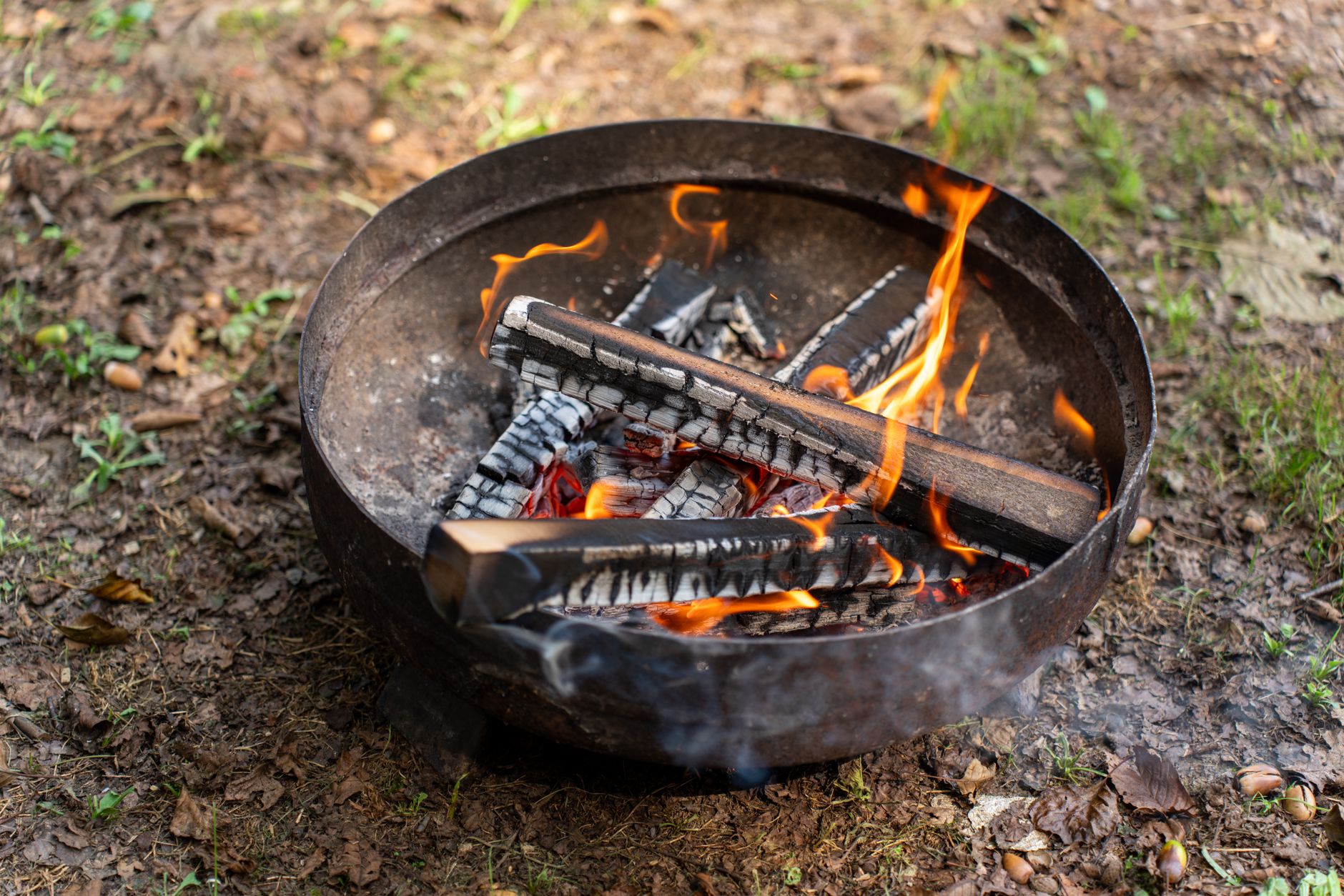
I almost set my deck on fire last summer. The fire pit was on the lawn, eight feet from the house, on a night with no wind. What I did not account for was the ember that floated up, landed on a dry welcome mat, and smoldered for twenty minutes before I smelled it.
Fire pits feel casual. You are roasting marshmallows, drinking a beer, talking with friends. But a fire pit is still an open flame. Here are the rules I now follow every time.
Distance matters more than you think
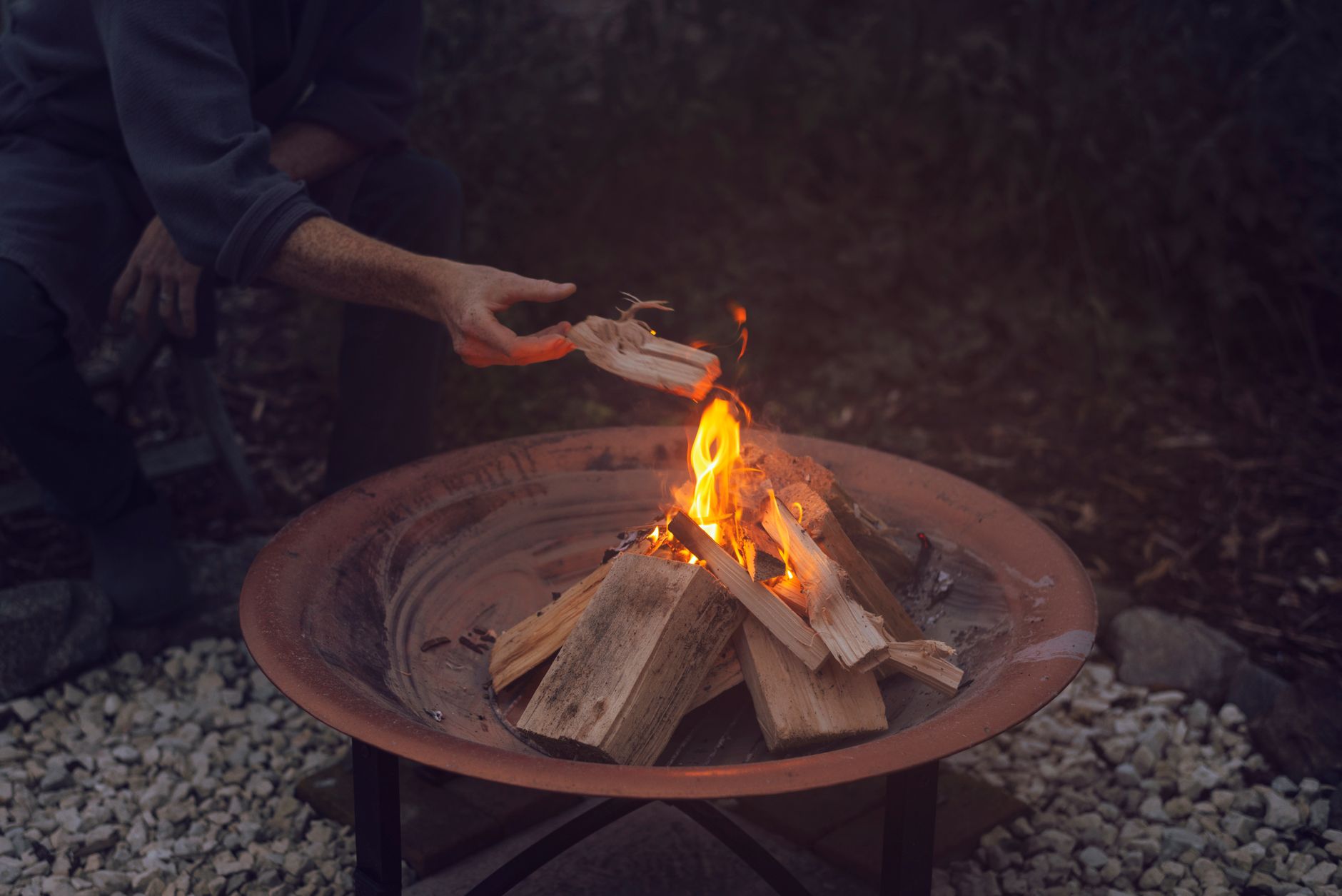
Keep the fire pit at least ten feet from anything flammable. That includes your house, your fence, your deck, low-hanging tree branches, and your neighbor’s shed. Embers travel farther than you expect. On a breezy night, they can drift fifteen feet or more.
If you have a portable fire pit, do not move it onto a wooden deck even “just this once.” The heat radiating downward can ignite the deck boards. Put it on concrete, gravel, or bare dirt.
What to burn (and what never to)
Burn seasoned hardwood. Oak, maple, hickory. Never burn construction lumber, plywood, or pressure-treated wood. Pressure-treated wood releases arsenic and chromium compounds when burned — you do not want to breathe that or have it land on your marshmallows.
Never use gasoline, lighter fluid, or any liquid accelerant on a fire pit. The vapor can ignite in a flash and burn whoever is standing closest. Use a fire starter log or crumpled newspaper and dry kindling.
Do not burn leaves, cardboard boxes, or trash. They produce floating embers and the smoke is acrid.
The wind test
Before you light the fire, check the wind. If you can hear leaves rustling — that is about 10 mph — reconsider lighting a fire at all. A sudden gust can blow sparks into dry grass and start a fire faster than you can grab a hose.
Keep a hose, a bucket of water, or a fire extinguisher within arm’s reach. Not ten feet away. Arm’s reach. If an ember lands on something, you have seconds to react.
Putting it out properly
Douse the fire with water. Stir the ashes. Douse again. If you can hold your hand an inch above the ashes without feeling heat, it is out. If it is still warm, add more water and stir again.
Never bury hot coals with dirt or sand. They can stay hot enough to ignite roots and spread underground for hours after you go to bed.
My welcome mat has a coin-sized burn hole now. I kept it as a reminder. Every time I see it I check the fire pit distance twice.
📋 Quick Summary: Ten-foot clearance, never burn treated wood, no accelerants, check the wind, keep water within arm’s reach, and douse until cold to the touch.