Prep Your Garden Beds for Spring Before the Last Frost with This Checklist
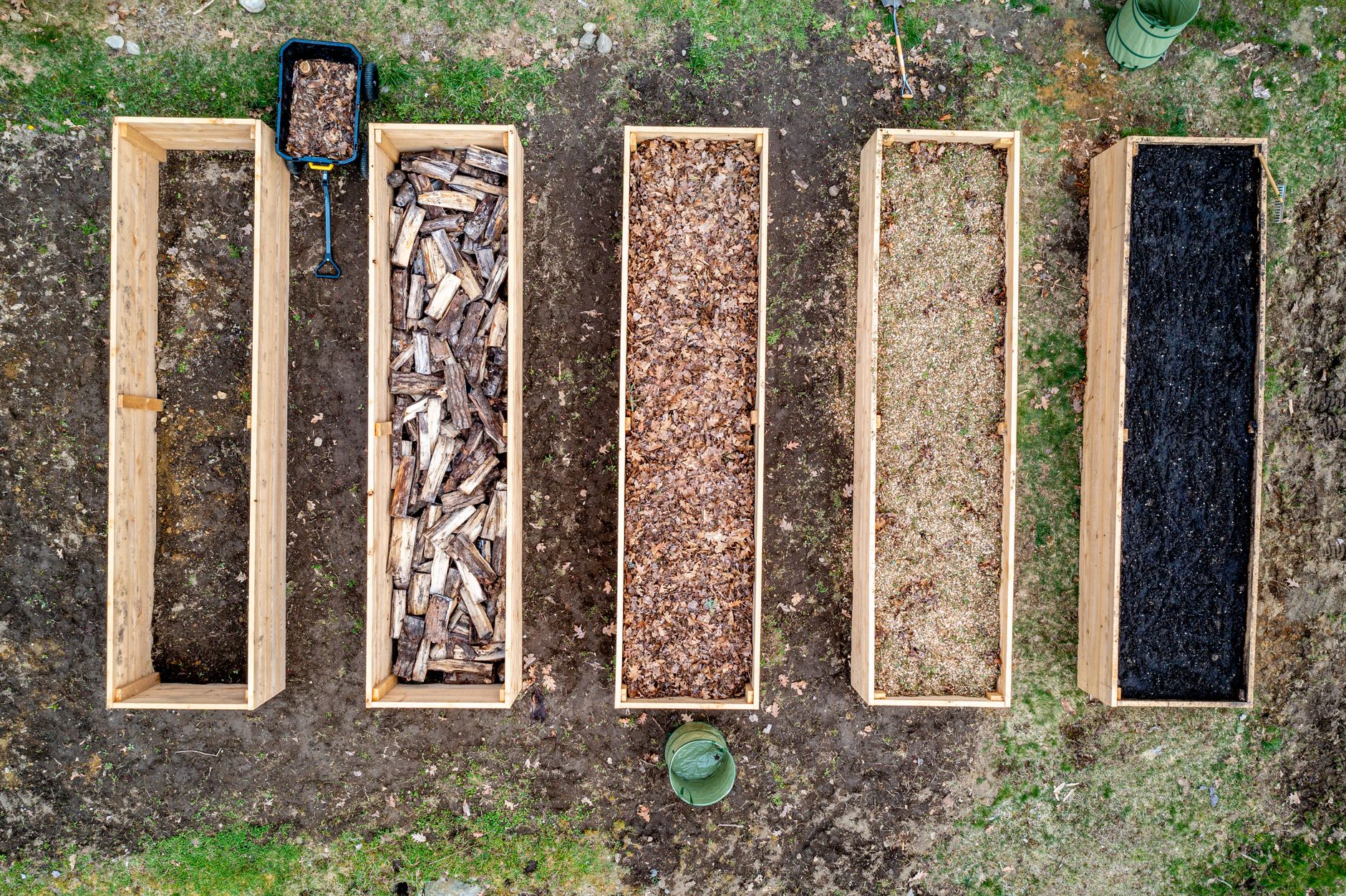
The first year I had a vegetable garden, I waited until after the last frost to do anything. By the time my soil was ready, the garden center was sold out of tomato starts and my neighbor was already harvesting lettuce. I was two months behind before I even planted a seed.
Year two I learned: garden season starts when there is still frost on the ground. The prep you do in late winter and early spring determines how much food you actually get in summer. Here is the checklist I follow now, broken down by what you can do before, during, and after the last frost.
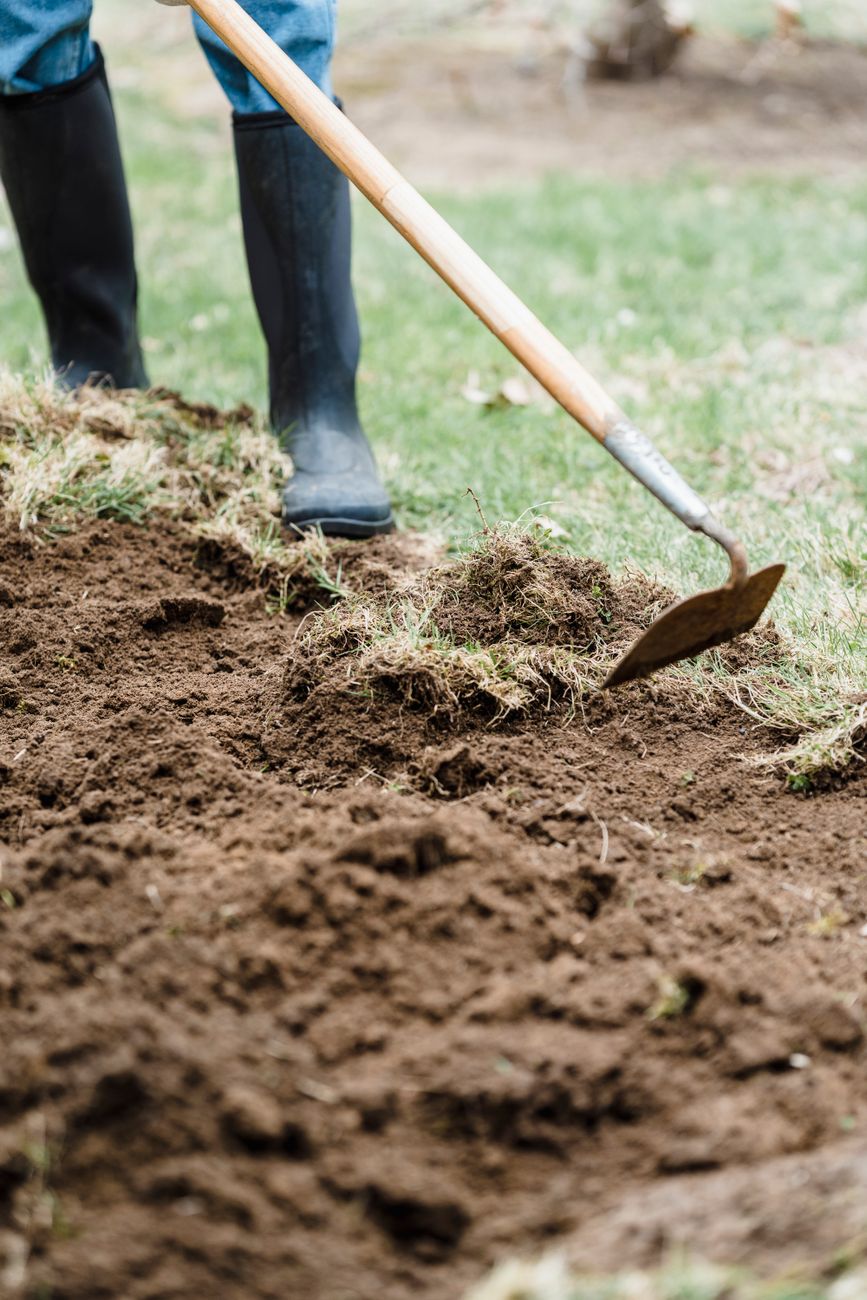
Four weeks before last frost
Clean out the beds. Pull any dead annuals from last year. Cut back perennials that you did not get to in the fall. Rake out leaves and debris that have been sheltering slugs and fungal spores all winter. This is not glamorous but it is the most important step — overwintered pests and diseases are the number one reason spring gardens struggle.
Test your soil. Get a cheap soil test kit from any garden store — the kind with the little capsules and color chart — and check pH and nutrient levels. Most vegetables want pH between 6.0 and 7.0. If your soil is too acidic, add garden lime. Too alkaline, add sulfur. You cannot fix this after planting without disturbing roots.
Two weeks before last frost
Add compost. Spread two to three inches of finished compost on top of each bed. Do not till it in deeply — that destroys the soil structure and kills earthworms. Just scratch it into the top inch or two with a rake. The worms will do the mixing for you.
Start cool-weather seeds indoors. Broccoli, cabbage, kale, lettuce, spinach — these can go into the ground as soon as the soil is workable, which is often weeks before the last frost date. Starting them inside now means you have seedlings ready when the soil thaws.
Week of last frost
Put down mulch. After your soil warms up a bit, spread straw, shredded leaves, or wood chips about two inches thick. Mulch suppresses weeds, holds moisture, and keeps soil temperature steady during those wild spring swings from 70°F to 40°F overnight.
Check your tools. Sharpen your pruners and shovel. Oil wooden handles with linseed oil so they do not crack. Replace any drip irrigation emitters that cracked over winter. Doing this now means you are not fixing things when you should be planting.
What you can plant before the last frost
Peas, spinach, lettuce, radishes, carrots, beets, chard, kale. These are all cold-tolerant and can handle a light frost. Some — like kale and Brussels sprouts — actually taste sweeter after a frost because the cold triggers them to convert starches into sugars. If a hard freeze is forecast (below 28°F), throw a sheet or row cover over them overnight.
📋 Quick Summary: Clean dead plants and debris 4 weeks before frost, test soil pH, add compost 2 weeks out, start cool-weather seeds indoors, mulch the week of frost. Plant peas, spinach, kale, and radishes before last frost — they tolerate cold. Prep work in February and March means food in May and June.