Patch a Drywall Hole So It Looks Like It Never Happened
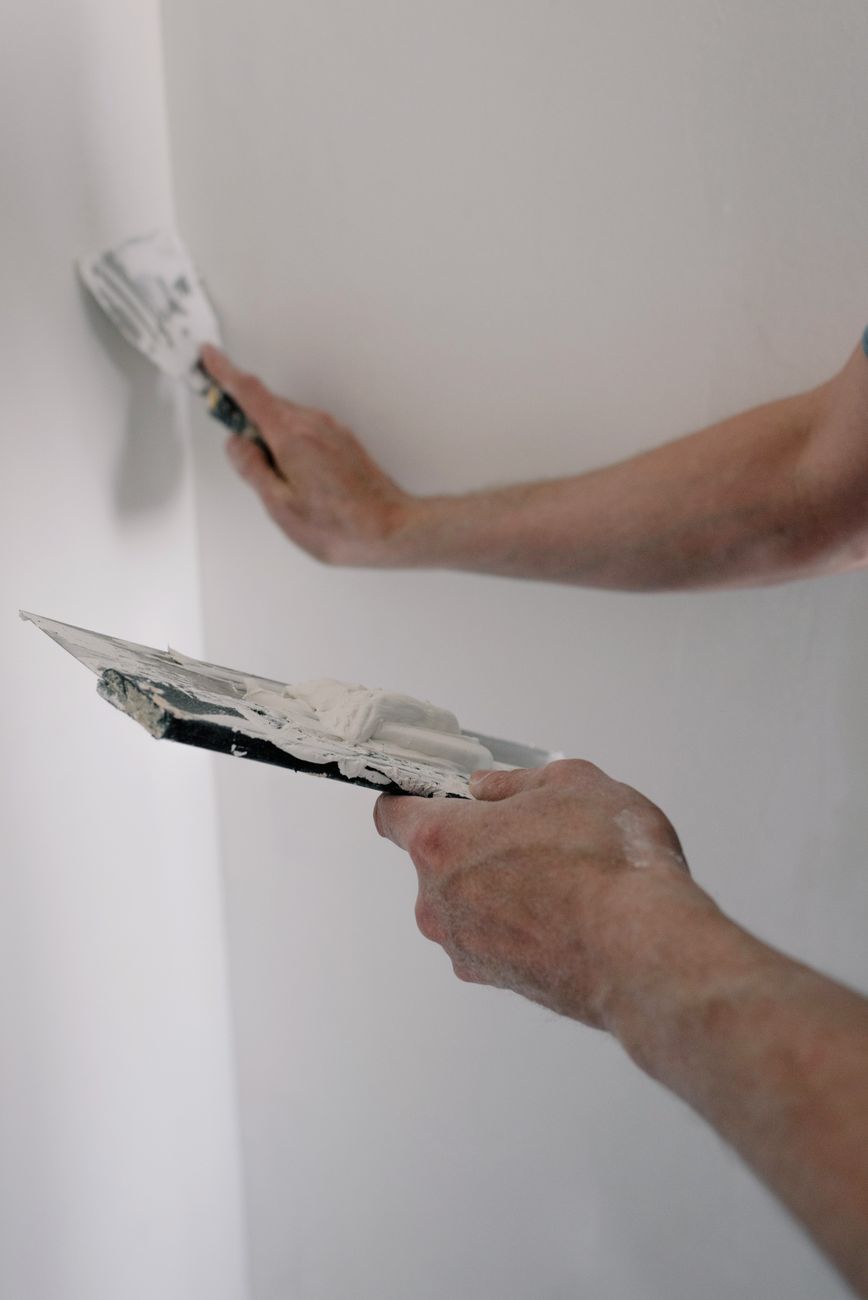
The doorknob went through the wall. I wish there was a more interesting story here, but it really was just a door opened too fast with a chair behind it. Thud. Now there is a fist-sized hole in the hallway, and my landlord visits next week.
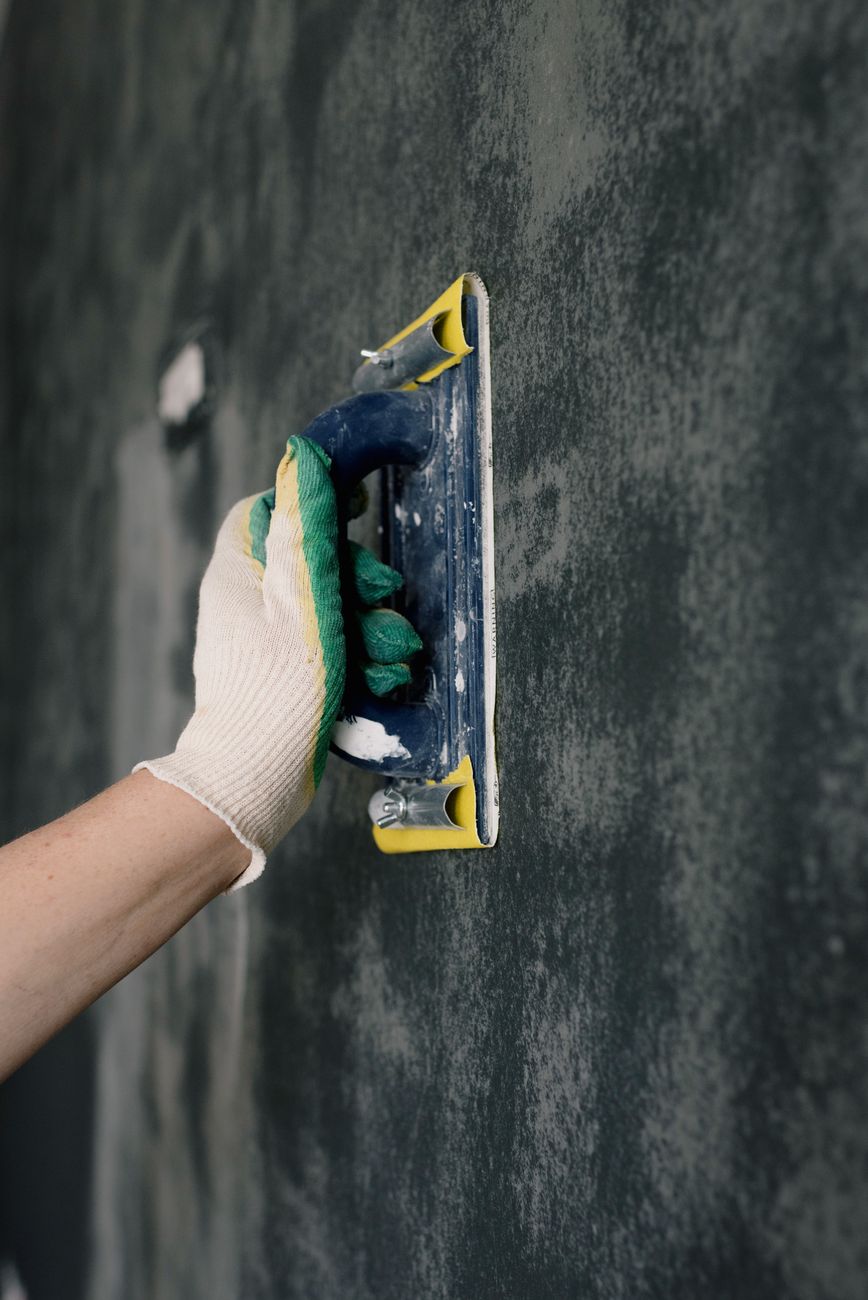
I had never patched drywall before. I watched two YouTube videos, bought twenty dollars of supplies, and three hours later you genuinely could not tell anything happened. Here is exactly what I did.
Small holes (nail holes, screw holes)
These are the easy ones. Dab of spackle on your finger, press it in, scrape flat with a putty knife. Let it dry completely — at least two hours. Sand smooth with a fine-grit sanding sponge. Paint. Done. Ten minutes of actual work spread over an afternoon of waiting.
Medium holes (doorknob size, up to about four inches)
This was my situation. You need a drywall patch kit — they sell them at any hardware store for about eight dollars. The kit has an adhesive mesh patch and a small tub of joint compound. Clean the hole edges so no loose paper is sticking out. Stick the mesh patch over the hole — it should extend about an inch beyond the hole on all sides.
Now the part I messed up the first time: apply joint compound in thin layers. I slapped on a thick glob thinking I would sand it flat later. Bad plan. Thick compound cracks as it dries and takes forever to sand. Three thin coats, each dried fully between applications, gives a smoother result than one thick coat.
Spread the first coat with a six-inch putty knife, feathering the edges — press harder at the edges so the compound blends into the existing wall. Let dry four hours. Light sand. Second coat, slightly wider this time so the patch blends further. Dry. Sand. Third coat if needed — by this point the mesh should be completely buried and the surface smooth.
Paint and texture matching
Prime the patch before painting. Unprimed joint compound soaks up paint differently than the surrounding wall, creating a visible “flash” even after two coats. A quick spray of primer prevents this. Then paint the whole wall, not just the patch — cutting in around a patch looks worse than just rolling the entire wall.
If your walls have texture (orange peel, knockdown), you can buy spray cans of texture at the hardware store. Practice on cardboard first. Matching existing texture is harder than the patch itself — be patient and accept that it might be ninety-five percent perfect, not one hundred.
📋 Quick Summary: Mesh patch over hole, three thin coats of joint compound (not one thick one), prime before painting, paint the whole wall. Total cost under $20, total time about three hours with drying.