My Failed Attempt at Meal Prep Led to the Smartest Kitchen System I Have Ever Used

Three years ago, I decided to become one of those people who meal preps every Sunday. You know the type — the Instagram accounts with rows of identical glass containers, each one holding a perfectly portioned chicken breast, sweet potato, and broccoli floret. I bought the containers. I spent $140 at the grocery store. I spent four hours cooking, portioning, and stacking. By Wednesday, I was eating sad, soggy leftovers and silently resenting my past self for making me eat the same thing five days in a row.
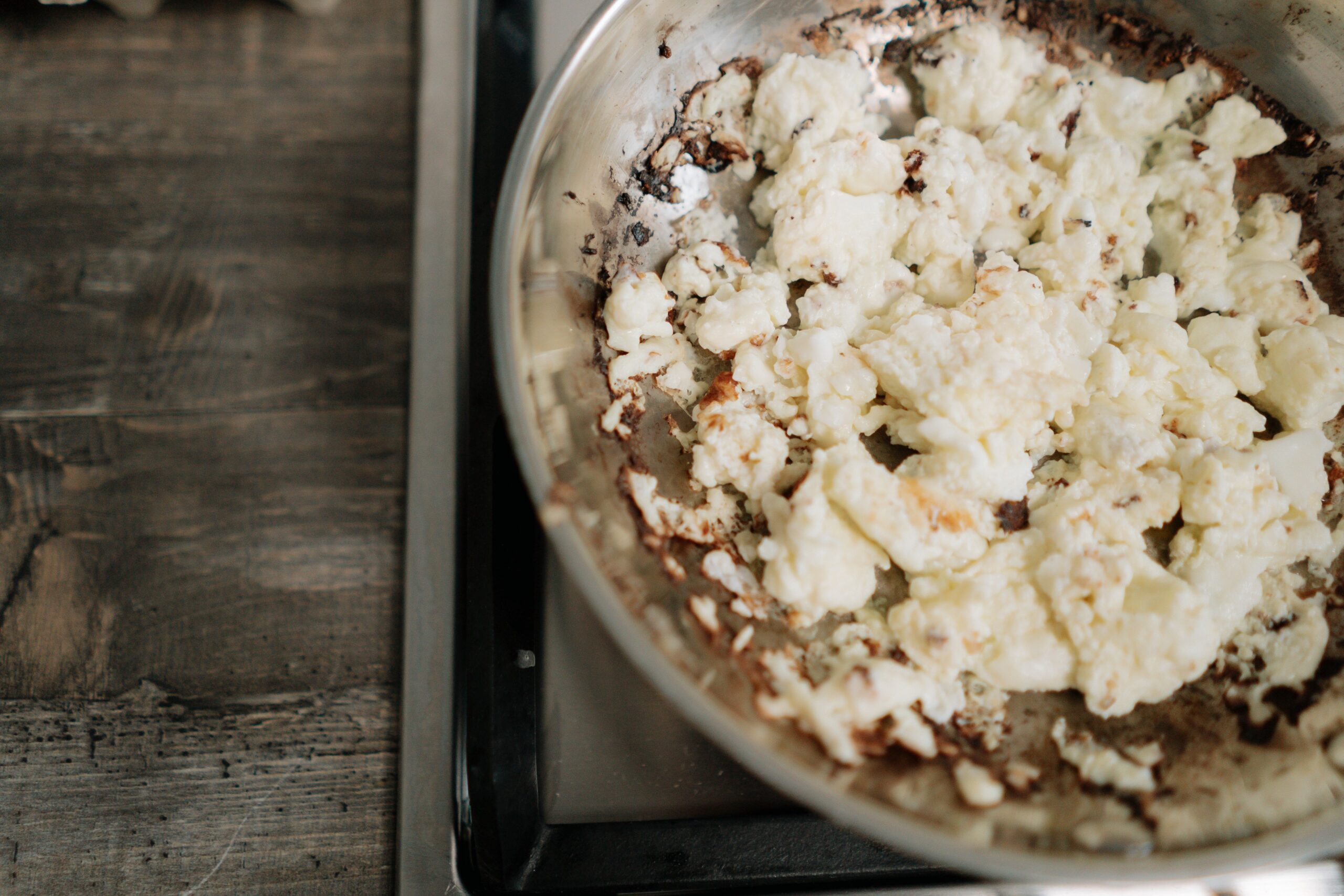
I quit meal prepping entirely after three weeks. But the problem I was trying to solve — the 6 PM panic of “what’s for dinner?” — was still there, lurking every evening. So I tried something different. Instead of prepping complete meals, I started prepping ingredients.
Here is how it works. On Sunday afternoon, I spend about ninety minutes doing what I call “kitchen mise en place.” I wash and chop all my vegetables. Onions get diced. Bell peppers get sliced. Carrots get julienned. Lettuce gets washed and spun dry. I store everything in clear containers at eye level in the fridge so nothing gets lost in the back corner where vegetables go to die.
I also cook one or two “base” items. A pot of quinoa. A batch of roasted chicken thighs. A sheet pan of roasted vegetables. These are not assigned to specific meals — they are building blocks. On Tuesday, the quinoa might become a grain bowl with roasted vegetables and a fried egg. On Thursday, it might get tossed with the leftover chicken, some chopped peppers, and a lemon vinaigrette for a cold salad.
The difference between this and traditional meal prep is flexibility. I am not locked into Monday-Chicken-Wednesday-Salmon. I can read my own mood and cravings and build a meal in fifteen minutes because all the tedious prep work is already done. Chopping vegetables is what makes cooking feel like a chore — the actual cooking part, the sauteing and seasoning and tasting, is the fun part.
I made one significant error early on that taught me a valuable lesson: not all vegetables store the same way. I chopped cucumbers and stored them the same way I stored chopped bell peppers, and came home the next day to a container of cucumber mush. Cucumbers, zucchini, and tomatoes have high water content and break down quickly once cut. Now I know to keep those whole until the day I plan to use them, or at most slice them the night before.
My other big discovery was the power of a good label. I found a roll of blue painter’s tape and a Sharpie in my junk drawer, and now every container gets a date written on it. This solved the “how long has this been in here?” mystery that used to plague my leftovers. No more sniff tests. No more gambling with three-week-old cooked rice.
This system also reduced my food waste dramatically. Before, I would buy vegetables with good intentions, they would sit untouched while I ordered takeout, and then I would throw them away feeling guilty. Now, because the vegetables are prepped and visible, I actually use them. My grocery bill has dropped by about thirty percent and I throw away almost no produce.
Last month, my sister came to visit and opened my fridge. She stared at the rows of clear containers filled with colorful, chopped vegetables and said, “This looks like a restaurant.” That might be the best compliment my kitchen has ever received. It took a failed meal prep experiment to get here, but I finally found a system that matches how I actually cook.
📋 Quick Summary
- She stared at the rows of clear containers filled with colorful, chopped vegetables and said, “This looks like a restaurant.” That might be the best compliment my kitchen has ever received.
- It took a failed meal prep experiment to get here, but I finally found a system that matches how I actually cook.
- Here is how it works.
- I found a roll of blue painter’s tape and a Sharpie in my junk drawer, and now every container gets a date written on it.