Surfaces You Should Never Clean With Vinegar
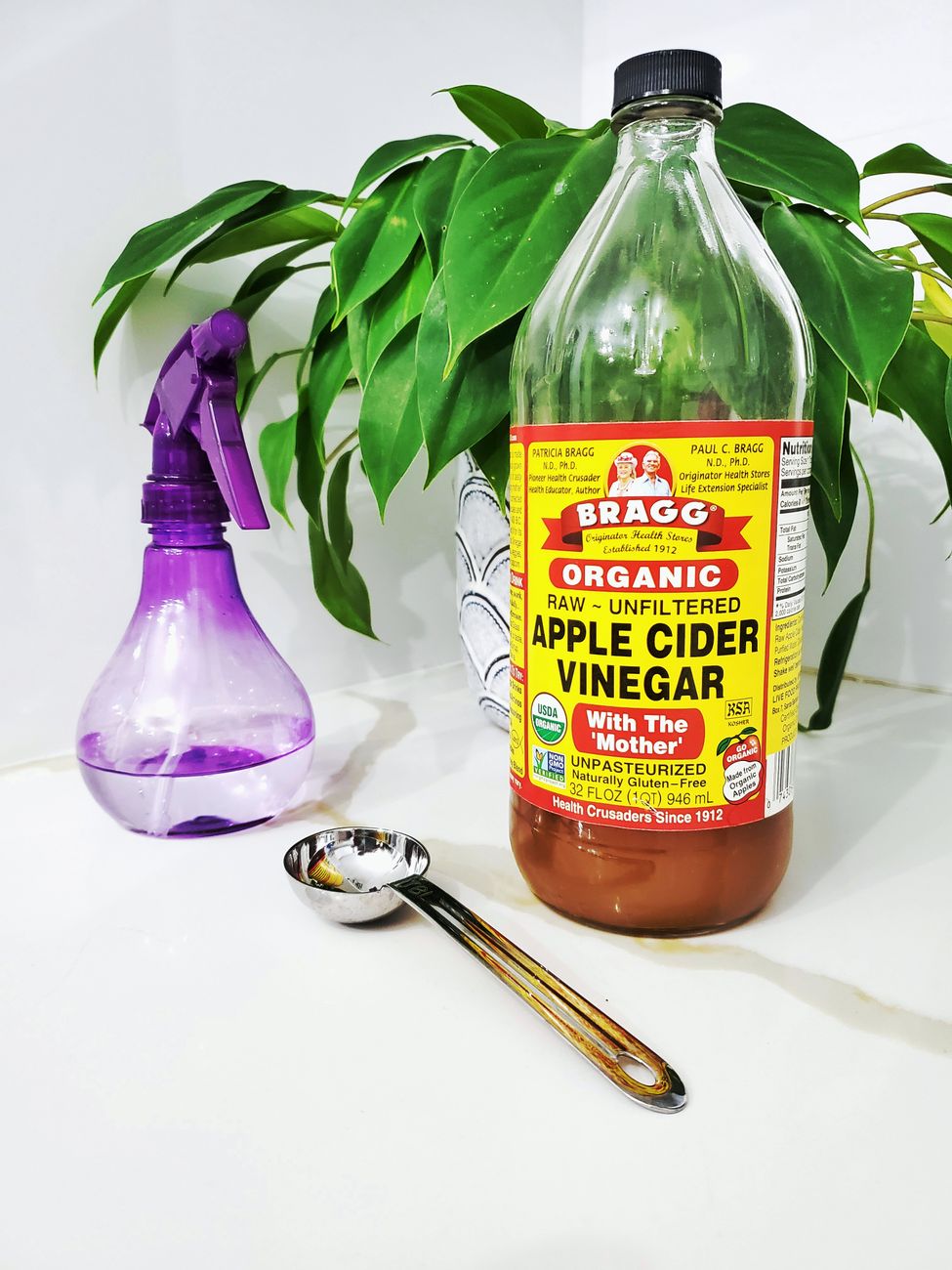
Vinegar is the internet’s favorite cleaning hack. I get it. It is cheap, it is natural, it kills some bacteria. But the internet does not tell you about the granite countertop I ruined in my first apartment. A few months of daily vinegar spray and the surface went dull, then rough, then permanently etched.
My landlord kept my security deposit. I deserved it. Here is what I wish someone had told me before I started spraying vinegar on everything I owned.
Stone surfaces — just don’t
Granite, marble, limestone, travertine, slate. All natural stone. All vulnerable to acid. Vinegar is acetic acid with a pH around 2.5. When it touches calcium-based stone, a chemical reaction happens — it dissolves the surface. The damage is called etching and it is permanent. You cannot wipe it off. You have to resurface the stone professionally.
Sealed granite is slightly more resistant than marble, but the sealant wears down over time. If you have been using vinegar on your countertops for a year, the sealant is probably gone and you are etching the stone underneath. Use a pH-neutral stone cleaner instead. Or just warm water and dish soap.
Electronics and screens
Vinegar is abrasive at the microscopic level. Your laptop screen, your phone, your TV — all have anti-glare or oleophobic coatings that vinegar strips away. A few wipes and you have a permanently smudged screen that will not come clean because the coating is gone.
Use a microfiber cloth dampened with distilled water. If you need more, a 50/50 mix of distilled water and isopropyl alcohol is safe for most screens. Check your device manual. Vinegar is never the answer here.
Hardwood floors
Vinegar dulls the polyurethane finish on hardwood. Over time the floor looks cloudy and feels rough underfoot. Most floor manufacturers explicitly warn against acidic cleaners in their warranty terms. If your floor is older and finished with wax instead of polyurethane, vinegar dissolves the wax entirely.
A damp microfiber mop with a few drops of pH-neutral floor cleaner is all you need. Nothing acidic. Nothing abrasive.
Egg spills and messes
Raw egg plus vinegar equals cooked egg. The acid denatures the proteins, same as heat does. Spill an egg on the counter and wipe it with vinegar? You have just made the mess stickier and harder to remove. Cold water and dish soap work better.
Knives and cast iron
Vinegar pits high-carbon steel knife blades. It also strips the seasoning off cast iron pans — that black nonstick layer you spent months building. A quick wipe is enough to damage both. For cast iron, use coarse salt and a paper towel. For knives, warm water and gentle dish soap, then dry immediately.
Grout — the one exception with a catch
Vinegar does clean grout. But it also slowly dissolves the grout itself, especially if the grout is old or was never sealed. Use it once for a deep clean, rinse thoroughly, then seal the grout afterward. Do not make it your weekly routine.
I learned the hard way on a rental deposit. You do not have to.
Quick Summary: Never use vinegar on natural stone, electronics screens, hardwood floors, egg spills, cast iron, or good knives. It etches, strips coatings, and causes permanent damage.