Make Pizzeria Pizza at Home With a Pizza Stone
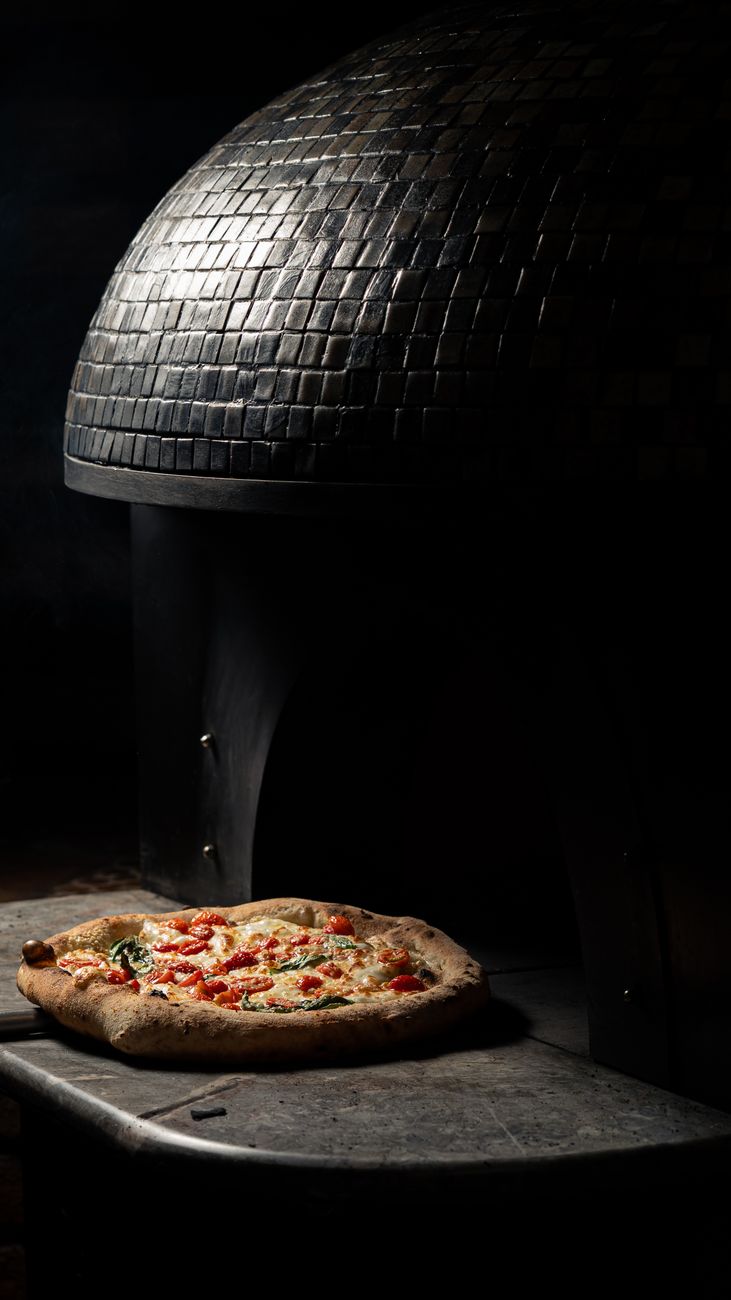
I ruined three pizzas before I figured this out. The first one stuck to the stone so badly I scraped it off with a metal spatula and ate it as deconstructed pizza. The second one burned on the bottom and stayed raw on top. By the third, I was questioning whether my local pizzeria just deserved my twelve dollars.
Then my uncle — who worked in a brick-oven place through college — visited and watched me slide another sad pie onto a cold stone. He actually winced. “Stone goes in cold, pizza goes in cold. You want a soggy cracker?” He was right.
The Cold Stone Mistake Everyone Makes
Most instructions tell you to preheat the stone for an hour. That is not optional. A pizza stone works by storing heat and releasing it fast. If the stone is cold when the dough hits it, the bottom never crisps. You get a floppy, undercooked center and a top that finished before the base started.
Put your stone on the middle rack of a cold oven, then crank it to 500°F — or whatever your oven’s max setting is. Let it sit there for at least 45 minutes after the oven beeps that it is ready. The stone needs time to absorb heat even though the air temperature hit the number.
Dough Matters More Than Sauce
Store-bought dough works fine. But let it come to room temperature for 30 minutes before you stretch it. Cold dough snaps back. Room-temp dough cooperates.
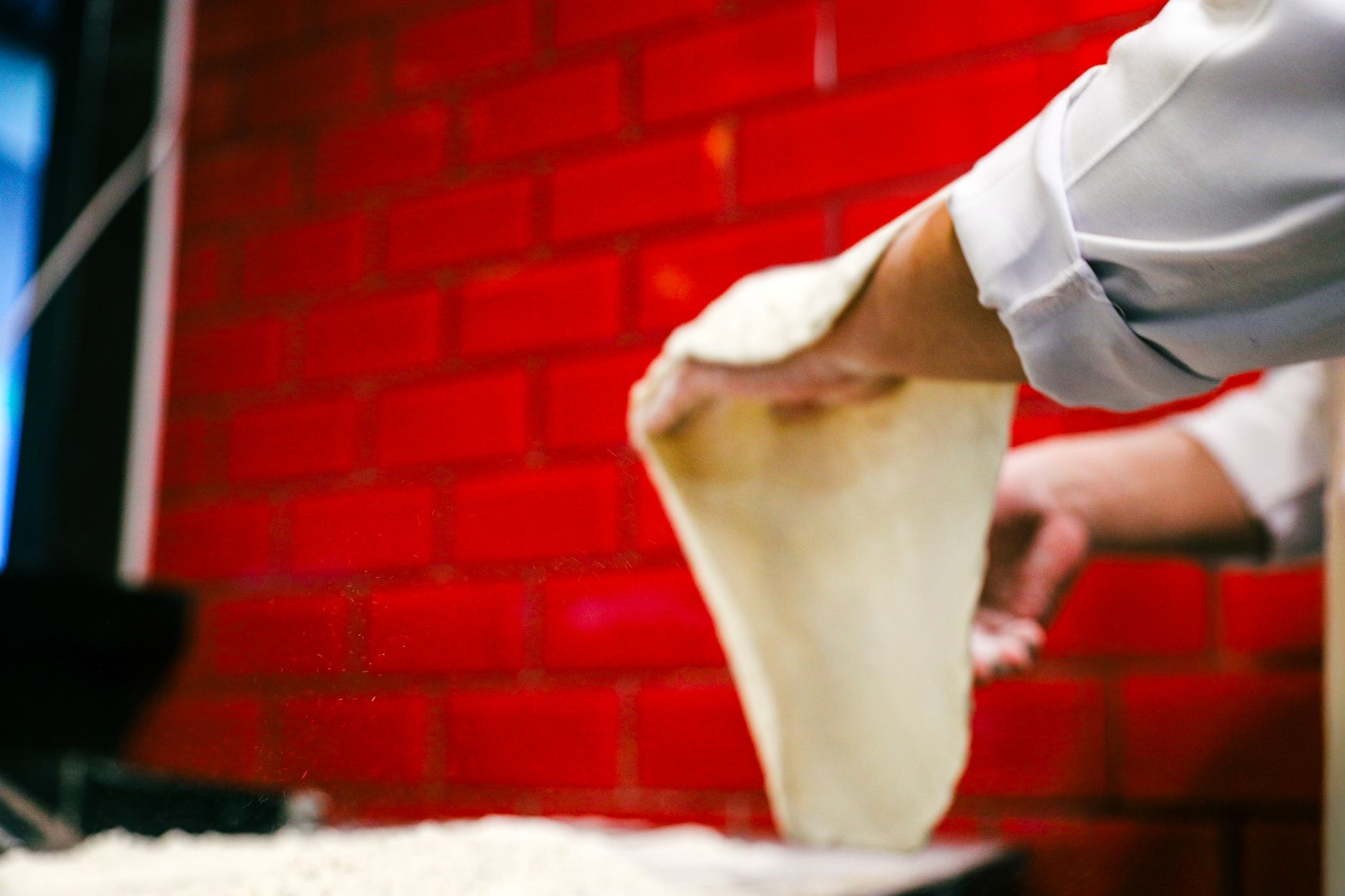
Flour your surface generously. Stretch with your hands — no rolling pin. A pin pops the air bubbles that give you those blistered edges. Use your knuckles, let gravity do the work, and accept that your first few will be shaped like Australia.
Less Is More on Toppings
I used to load up like I was building a lasagna. Sauce, three cheeses, pepperoni, mushrooms, olives, onions, peppers. The result: a steamed mess that slid off the crust when you lifted a slice.
Stick to three toppings max. Sauce spread thin — you should see dough through it. Cheese distributed in clumps, not a blanket. Toppings scattered with gaps between them. Steam needs somewhere to escape.
The Parchment Paper Trick
If transferring dough from counter to stone terrifies you, use parchment paper. Build the pizza on parchment, slide parchment + pizza onto the stone, and after 3 minutes, yank the paper out from underneath. The crust will finish directly on the stone for those last few minutes.
Bake 8-12 minutes. You know it is done when the cheese bubbles and the bottom is deep golden with dark spots.
I still buy pizza sometimes. But the Saturday nights when I make it at home — dough stretching, flour everywhere, the smell of a 500-degree stone — those are better than delivery every time.
📋 Quick Summary: Preheat your stone for 45+ minutes at max oven temp, use room-temperature dough stretched by hand, limit toppings to three, and slide parchment under for an easy transfer. That is the whole game.