Stop Porridge From Boiling Over Every Single Time
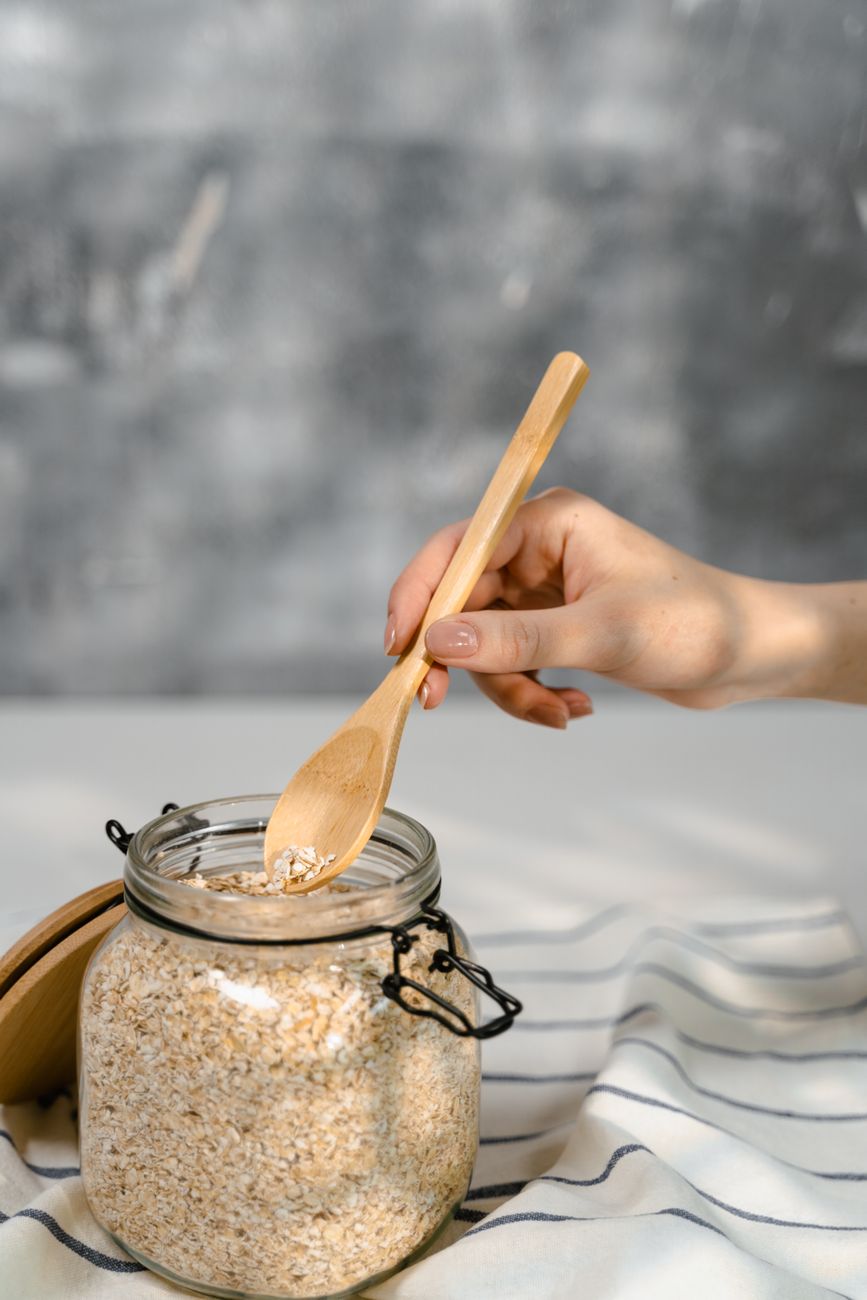
Place a wooden spoon across the top of your pot. That is it. That is the whole trick.
I know it sounds like one of those fake internet hacks that does not actually work. I was skeptical too. But after cleaning porridge off my stovetop for what felt like the hundredth time, I tried it — and I have not scrubbed burnt oatmeal off a burner since.
Why It Works
Porridge boils over because the starch creates a foam that rises faster than the bubbles can pop. The foam builds and builds until it spills over the edge of the pot.
When you place a wooden spoon across the top, the foam hits the spoon and the bubbles destabilize and pop. The spoon is at a lower temperature than the boiling liquid, so it acts like a foam breaker. It also absorbs some of the steam, which helps collapse the bubbles before they can escape.
It works for oatmeal, cream of wheat, rice porridge, polenta, and even pasta if you tend to overfill your pot. The spoon needs to be wooden — metal gets too hot and does not disrupt the foam the same way.
Other Things That Actually Help
The spoon trick is the star, but a few other habits have made my morning porridge routine basically foolproof:
- Lower the heat once it boils. Porridge does not need a rolling boil. Medium-low is plenty once it starts bubbling.
- Use a bigger pot than you think you need. Porridge expands as it cooks. I use a pot that looks comically large for one serving.
- Stir once or twice in the first minute. After that, leave it alone. Constant stirring breaks down the starch and makes it gluey.
- A pinch of salt in the water. It does not make the porridge salty — it improves the texture and reduces foaming a little.
The One Time It Failed Me
I tried this with a metal spoon once when my wooden spoon was in the dishwasher. The metal got hot, the foam rolled right over it, and I spent ten minutes cleaning the stovetop. Lesson learned: wood or nothing.
Now I keep a dedicated wooden spoon hanging right next to the stove. It has one job. It does it perfectly.
Quick Summary: Lay a wooden spoon across the pot and the foam pops on contact. Use lower heat and a bigger pot for extra insurance. Metal spoons do not work — the wood’s cooler surface is what breaks the bubbles.