I Bought Fifty Dollars Worth of Organizing Bins and My Apartment Still Looks Like Chaos

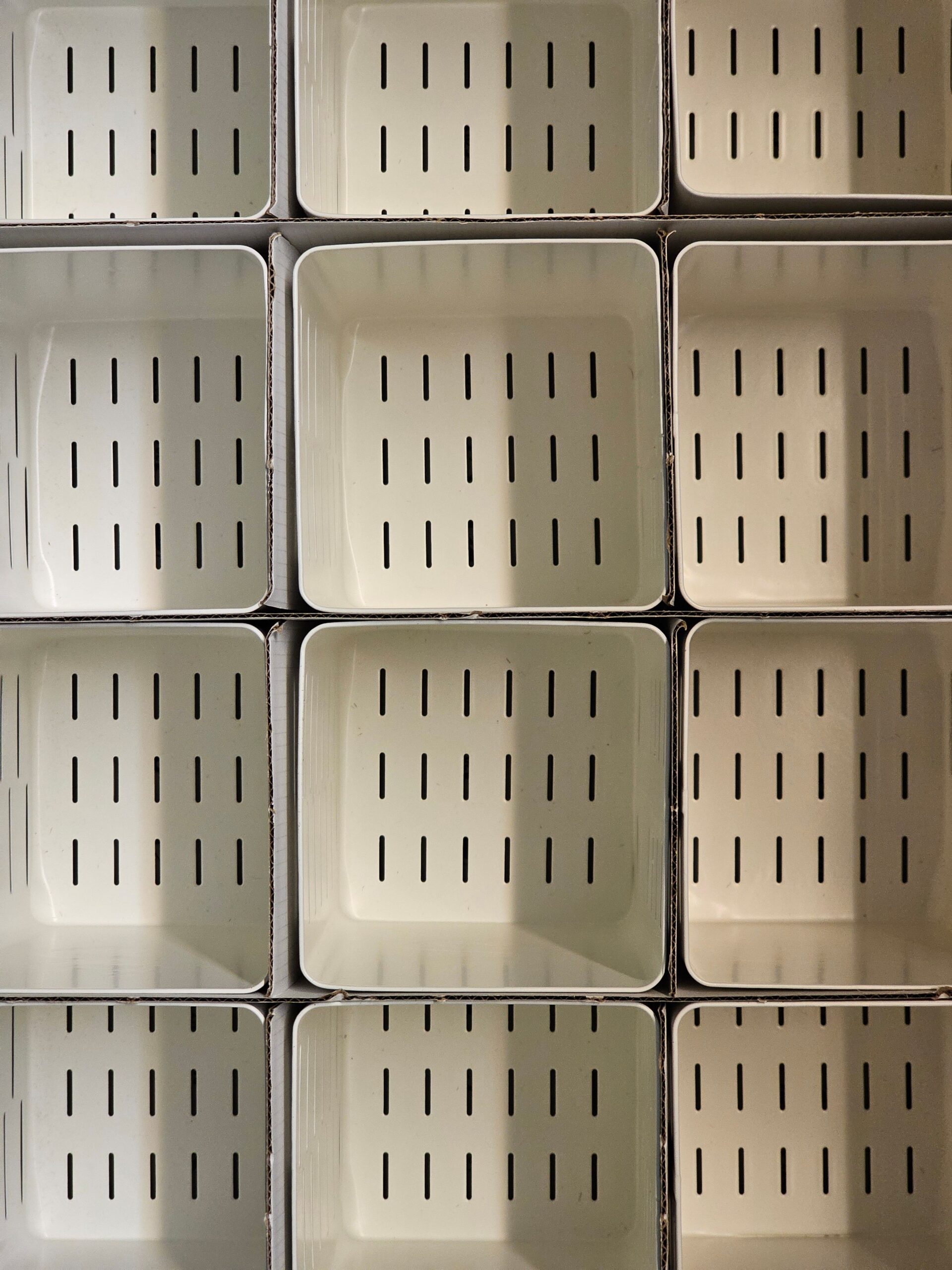
Last January, I decided to get organized. I bought clear plastic bins in three sizes, a label maker, drawer dividers, hanging shoe organizers, and several books on decluttering. I spent an entire three-day weekend emptying every closet, drawer, and cabinet in my apartment, sorting items into keep, donate, and discard piles, and then carefully arranging everything back into my newly purchased containers. My apartment looked like a display home. I took photos. I sent them to my mother. I was insufferably proud of myself.
Understanding the Problem
📸 Photo by Ann H on Pexels
The system lasted about six weeks. By mid-February, the bins were overflowing. The drawer dividers had been abandoned. The shoe organizer sagged under the weight of shoes I never wore but couldn’t bring myself to get rid of. My beautiful, organized apartment reverted to its natural state of controlled chaos, and I felt like a failure.
What I eventually understood, after several more cycles of organizing and backsliding, is that organization is not about containers. It’s about systems that match how you actually live, not how you wish you lived. The container method fails because it assumes you will maintain new habits that are fundamentally incompatible with your existing routines. If you are the kind of person who drops your mail on the kitchen counter when you walk in the door, a mail sorting station in the hallway will not fix that. You will still drop the mail on the counter, and then the sorting station becomes another piece of clutter.
The Proven Solution
My current approach, which has actually stuck for over a year now, is based on a single principle: make the right thing the easy thing. If I want my keys to end up somewhere specific, I put a hook directly next to the door I enter through, not in a drawer or on a shelf across the room. If I want my dirty laundry to end up in a hamper, I put the hamper exactly where I take my clothes off, not in the closet or the bathroom. If I want my shoes to be put away, I put a shoe rack directly inside the entryway, not in the bedroom closet.
Long-Term Prevention Tips
This principle extends to every area of the home. In the kitchen, the utensils I use most frequently go in the drawer closest to the stove. The spices I use daily go on a rack mounted at eye level, not in a cabinet where I have to crouch and rummage. The trash can is positioned directly next to my main prep area, not across the room where I have to walk with dripping vegetable scraps.
The bathroom follows the same logic. My toothbrush, toothpaste, and face wash sit on the counter, not in the medicine cabinet. The extra two seconds of opening a cabinet door was apparently enough friction that I would occasionally skip flossing. Now everything I need for my morning and evening routines is visible and reachable, and my compliance with basic hygiene has improved. That sounds absurd, but it’s true.
I still have some of those clear plastic bins in my closet, but they contain things I access once a season, like winter gloves and beach towels. The things I use daily are not in bins at all. They are out and accessible, arranged along the paths I actually walk, supporting the habits I actually have rather than the idealized habits I imagined I would adopt.