How to Save Money on Groceries Without Couponing for Hours
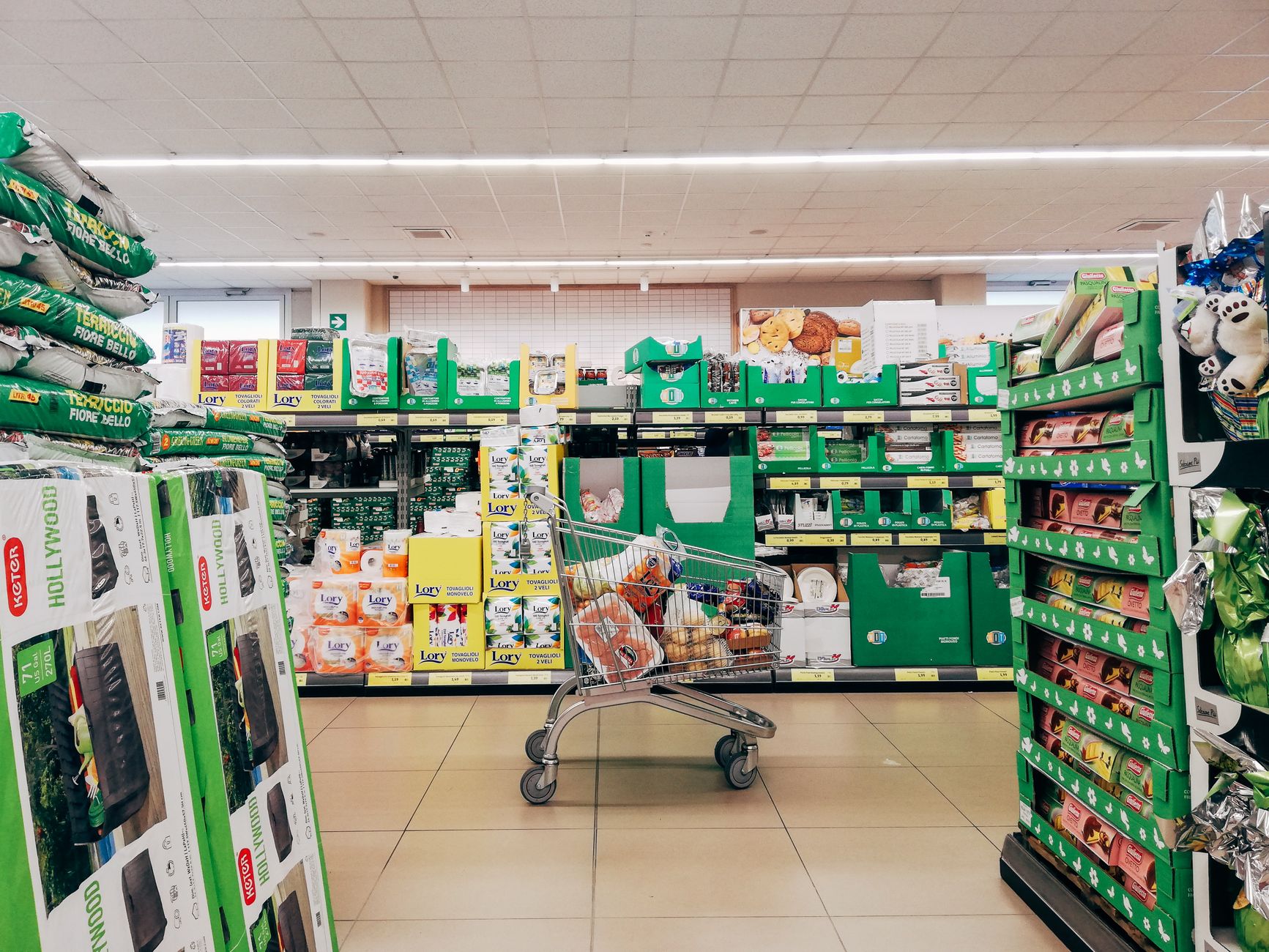
I used to walk into the grocery store with a vague idea of what I needed and walk out $140 later with three bags of things that did not constitute a single complete meal. The receipt was always a mystery — how did I spend that much? I did not buy anything extravagant. Just “groceries.”
The problem was not couponing. I do not clip coupons — I do not have the patience. The problem was planning and unit economics. Once I started looking at grocery shopping as a numbers game instead of an errand, my weekly bill dropped by about 30% and I threw away far less food.
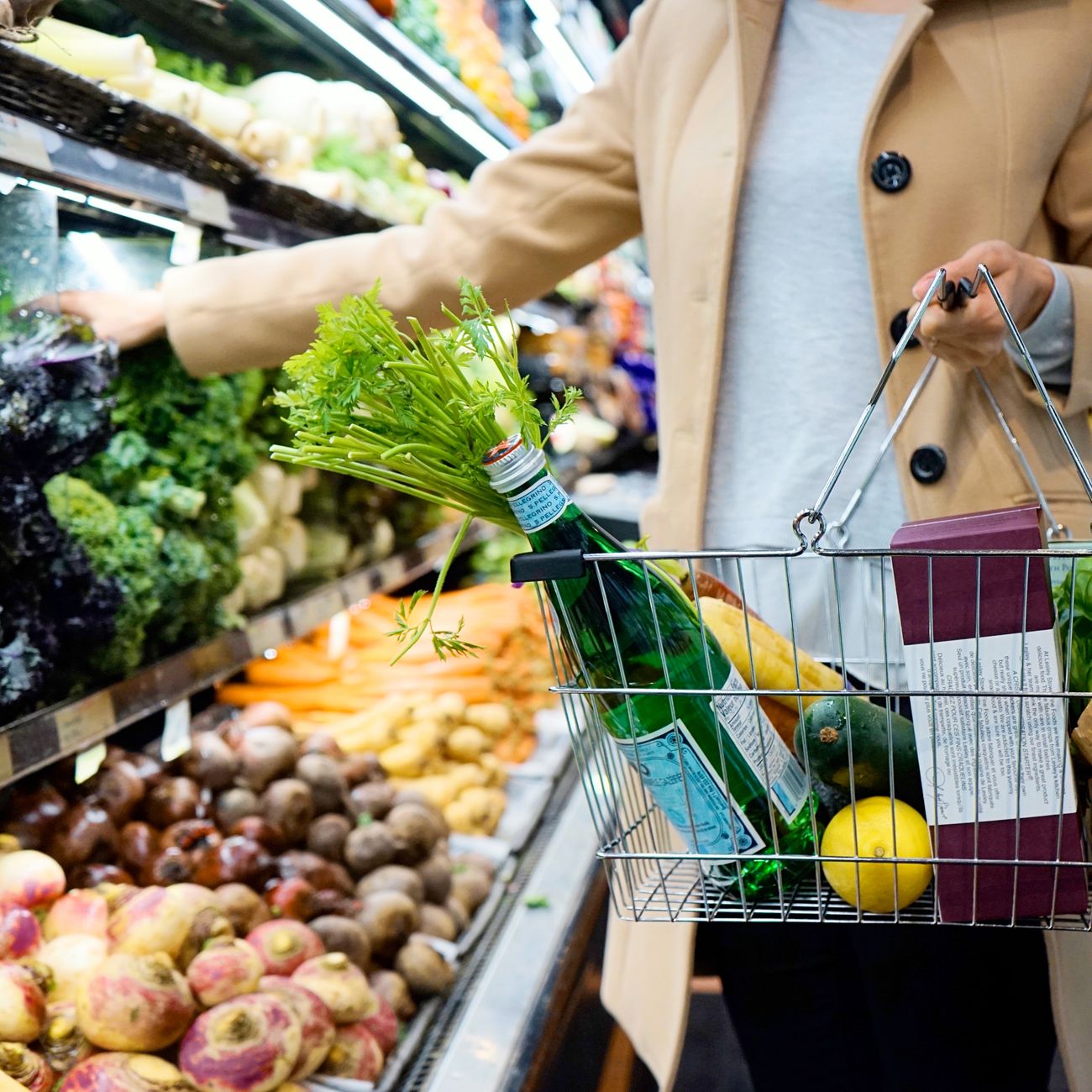
Make a List Based on Meals, Not Ingredients
Do not write “chicken, broccoli, rice.” Write “stir-fry Monday, tacos Tuesday, pasta Wednesday.” Plan five to six dinners for the week, check what you already have, and only buy what is missing. This eliminates the “I might use this” purchases that rot in the crisper drawer. I plan meals every Sunday morning in five minutes with a notes app on my phone. The list writes itself from the meal plan.
Shop the Perimeter — The Middle Aisles Are Profit Centers
Grocery stores are laid out with fresh food around the edges (produce, meat, dairy) and processed food in the middle aisles. The middle aisles have the highest markup. Do most of your shopping from the perimeter and only dip into middle aisles for specific staples: rice, pasta, canned beans, spices, cooking oil. I started doing 80% of my shopping from the outer ring and my bill dropped without me trying to spend less.
Check the Unit Price, Not the Sale Price
That bright yellow “SALE” tag means nothing. Look at the unit price — the small number on the shelf tag that says “per ounce” or “per pound.” A “family size” box is sometimes more expensive per ounce than two regular boxes. I have seen this dozens of times. Stores count on you not doing the math. The unit price tells you the truth. I keep my phone calculator open while I shop. It adds maybe 30 seconds per trip.
Buy Store Brands — They Are Made in the Same Factories
Store-brand products are manufactured by the same companies that make name-brand products, often on the same production lines. The only difference is the label and the marketing budget. Generic ibuprofen is chemically identical to Advil. Store-brand canned tomatoes come from the same farms. I switched to generic for pantry staples — flour, sugar, canned goods, pasta, cleaning products — and saved about 25-30% on those items with zero change in quality. The one exception: I still buy name-brand ketchup. Some things you just do not mess with.
Shop Once a Week, Not Every Few Days
Every extra trip to the store is an opportunity to buy things you did not plan for. One trip per week, one list. If you run out of something mid-week, you do without it or you substitute. The “quick run for milk” that turns into $35 is a budget killer. I do my weekly shop on Sunday morning when the store is quiet and I am not hungry. Shopping hungry adds about 15% to the bill — I tested this on myself and the data does not lie.
📋 Quick Summary: Plan meals first, then write the list from the plan. Shop the perimeter (fresh food) — middle aisles are marked up. Compare unit prices, not sale tags. Buy store brands for staples (same factories, lower price). One weekly trip — every extra visit costs you money. Never shop hungry.