How to Restore Faded Outdoor Plastic With a Heat Gun
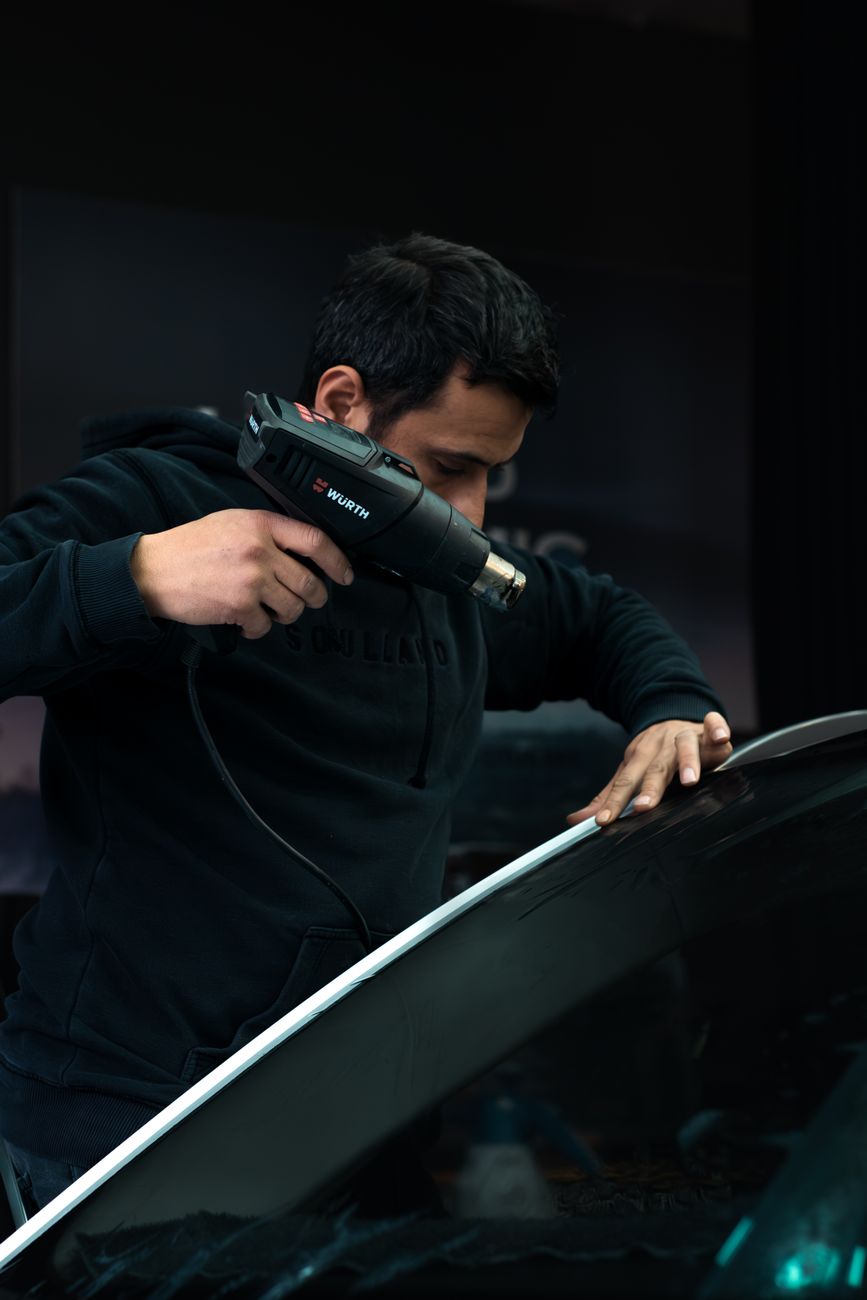
My patio chairs looked like they belonged in a ghost story. Gray, chalky, sun-bleached beyond recognition. I was about to throw them out and buy new ones when a YouTube video convinced me to try a heat gun first.
It felt like a magic trick. The faded plastic turned dark and glossy again in seconds. Not a coating — the heat was pulling the plastic’s natural oils back to the surface.
How It Works
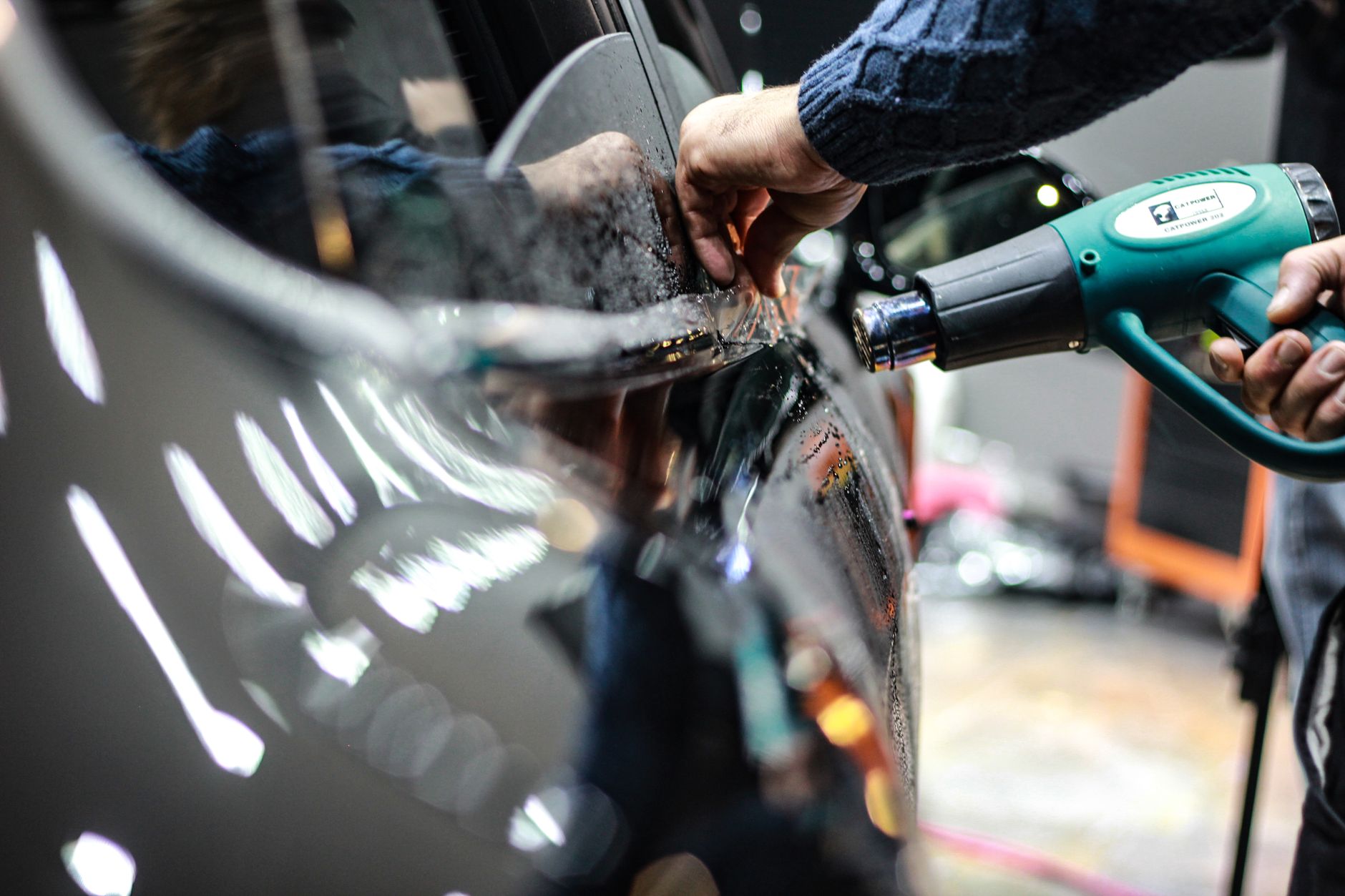
Outdoor plastic fades because UV rays break down the polymer chains on the surface, leaving a chalky oxidized layer. Heat melts that top layer just enough to re-flow the plastic and bring fresh material to the surface. It is the same plastic underneath — it was never actually gone, just oxidized.
How to Do It Safely
Use a heat gun on the low setting — about 500 to 700 degrees Fahrenheit. Hold it six inches from the surface and move it constantly, like spray painting. You will see the color change in real time as the faded patch darkens. Stop as soon as the color matches. Overheating warps the plastic and there is no fixing that.
Work in small sections, one chair arm or one table edge at a time. Let each section cool before you touch it — the surface stays hot for a minute or two.
What This Works On
Stadium seats, plastic Adirondack chairs, faded car bumpers and trim, playground equipment, plastic planters. Basically anything made of HDPE or polypropylene outdoor plastic. It does not work on painted surfaces, vinyl siding, or anything already cracked.
Protect It After
The restored color will fade again in the sun unless you protect it. Apply a UV protectant spray (303 Aerospace Protectant is popular for this). Reapply every few months. A cover or moving the furniture into shade also extends the life between treatments.
📋 Quick Summary: Heat gun on low, six inches away, constant motion. Plastic re-flows and color returns. Apply UV protectant afterward.