Fix a Door That Sticks When It Is Humid
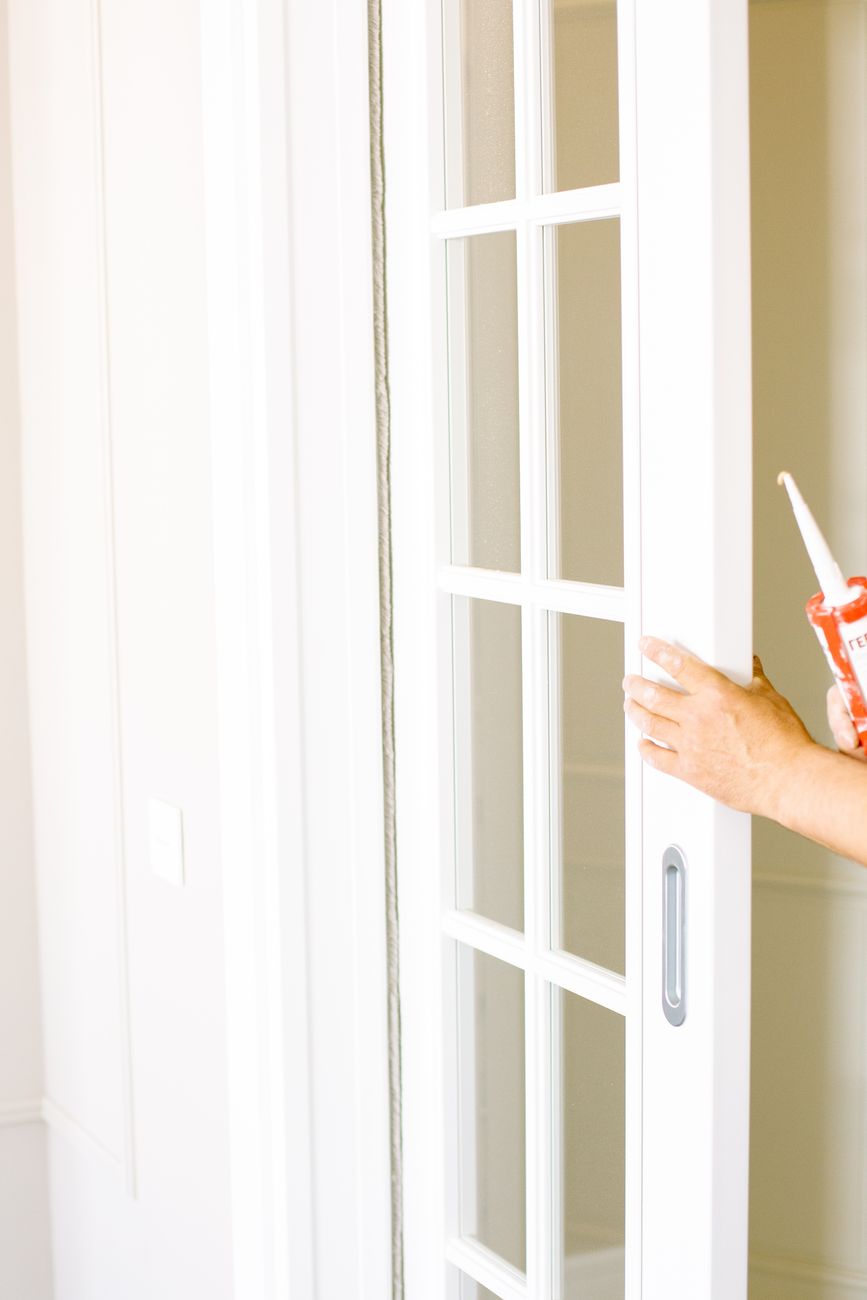
Every summer, my bathroom door swells just enough that you have to shoulder-check it to get out. My wife started calling it the “test of strength door.” I ignored it for three summers before finally spending fifteen minutes fixing it permanently.
A sticky door is almost always wood swelling from humidity. The fix is usually simple and does not require taking the door off its hinges or buying anything beyond basic supplies.
Find Where It Is Actually Sticking
Close the door slowly and watch the gap around all four edges. Look for where the door touches the frame first. You can also slide a piece of paper or a dollar bill between the door and the frame — where it catches tightest is your problem spot. Mark it with a pencil.
Common sticking points: top corner on the latch side (door has sagged), bottom corner on the hinge side (hinges loose), or the entire latch side (wood swelled uniformly).
Tighten the Hinges First
Before you sand or plane anything, tighten every hinge screw. Doors sag over time and the top hinge pulls away from the frame. A sagging door rubs at the top. Tighten the screws and the door often lifts back into alignment. If a screw just spins because the hole is stripped, jam a toothpick or two coated in wood glue into the hole, snap it off flush, and re-drive the screw. The toothpick gives the screw new wood to bite into.
Sand the Sticking Spot
Mark the high spot clearly with a pencil. Use 60 or 80 grit sandpaper wrapped around a sanding block — not your bare hand, or you will sand unevenly. Sand a little, close the door, test. Sand a little more. It takes less than you think. I removed maybe a sixteenth of an inch from my bathroom door and it has not stuck since.
If the entire edge needs to come down, a hand plane is faster and cleaner. Set the blade shallow and take thin passes. A sharp plane leaves a surface smooth enough to repaint without sanding.
Seal the Edge After Sanding
Raw wood absorbs moisture faster than painted or sealed wood — which means the door will just swell again. Paint or seal the sanded edge before calling it done. Even a coat of primer and paint on the top and bottom edges (which builders often skip) helps a lot with humidity-driven swelling.
When the Frame is the Problem
If the door itself is not swollen but the frame has shifted — common in older houses — you have two options. Shimming behind a hinge can tilt the door slightly within the existing frame. For a badly misaligned frame, you may need to chisel out the strike plate mortise deeper so the latch catches freely, or move the strike plate entirely. These are slightly more involved but still DIY-able with patience.
📋 Quick Summary: Tighten all hinge screws first — sagging is the most common cause. Mark the sticky spot, sand lightly with 60-grit, and seal the raw edge so it does not swell again. Fifteen minutes, zero dollars.