How to Remove a Broken Egg Shell from the Bowl in Seconds
You crack the egg, it splits weird, and a piece of shell drops into the bowl. Then you do the thing everyone does: stab at it with your finger, chase it around, and end up with shell bits floating in the whites.
There is a better way, and it takes about five seconds.
Use a piece of the shell itself
The trick is to grab the shell with another piece of shell. The sharp edge of a larger shell piece acts like a little magnet for smaller bits. The shell fragment sticks to the shell edge instead of slipping away from your wet finger.
Here is how it works:
- Find the biggest shell piece you have left.
- Lightly touch the broken bit in the egg with the edge of that piece.
- Drag it toward the rim of the bowl.
- Lift the whole thing out together.
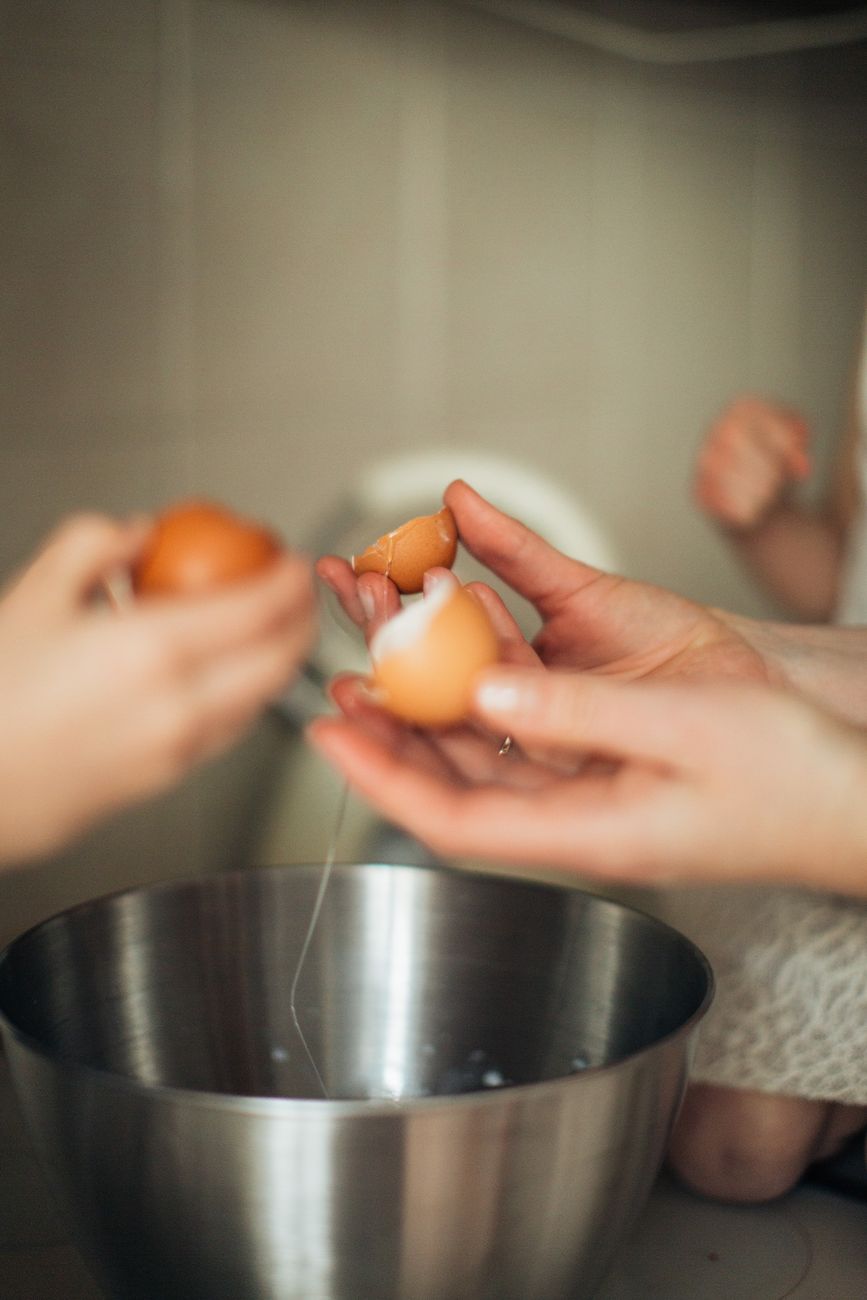
The shell bit sticks to the larger piece almost every time. No fishing around, no pushing the shell deeper into the yolk.
Why a wet finger makes it worse
Most people try to scoop the shell out with a fingertip. The problem is that wet fingers and shell bits repel each other. The shell slides right off. Dry fingers work a little better, but you rarely have a dry hand mid-crack.
The shell-to-shell trick works because both pieces are dry and the edges catch on each other. It feels like magic the first time you do it.
For tiny crumbs, use a paper towel
If you are dealing with microscopic shell dust, not a big piece, wipe the bottom of the bowl with a corner of paper towel. The crumbs cling to the paper and lift right out. Do not use this trick for big pieces, because the shell will stick to the paper and you will lose it.
One more trick: the water dip
If the shell piece fell into the yolk and keeps slipping, dip your finger in water first, then touch the shell. The surface tension of the water pulls the shell onto your fingertip. This is the opposite of the wet finger problem, and it works specifically for pieces sitting on the yolk’s surface.
Prevention is easier
Crack eggs on a flat counter, not on the rim of the bowl. A flat surface gives you a clean break. Cracking on the rim pushes shell fragments inward. I switched years ago and the number of broken shells in my bowl dropped to almost zero.
Quick Summary: Grab a broken shell piece with a bigger shell edge, or use a wet fingertip for bits sitting on the yolk. Stop fishing with dry fingers.
I have not chased a shell around a bowl in months. The shell-to-shell trick is one of those things that makes you wonder why nobody told you sooner.