How to Protect Outdoor Faucets from Freezing Without a Cover
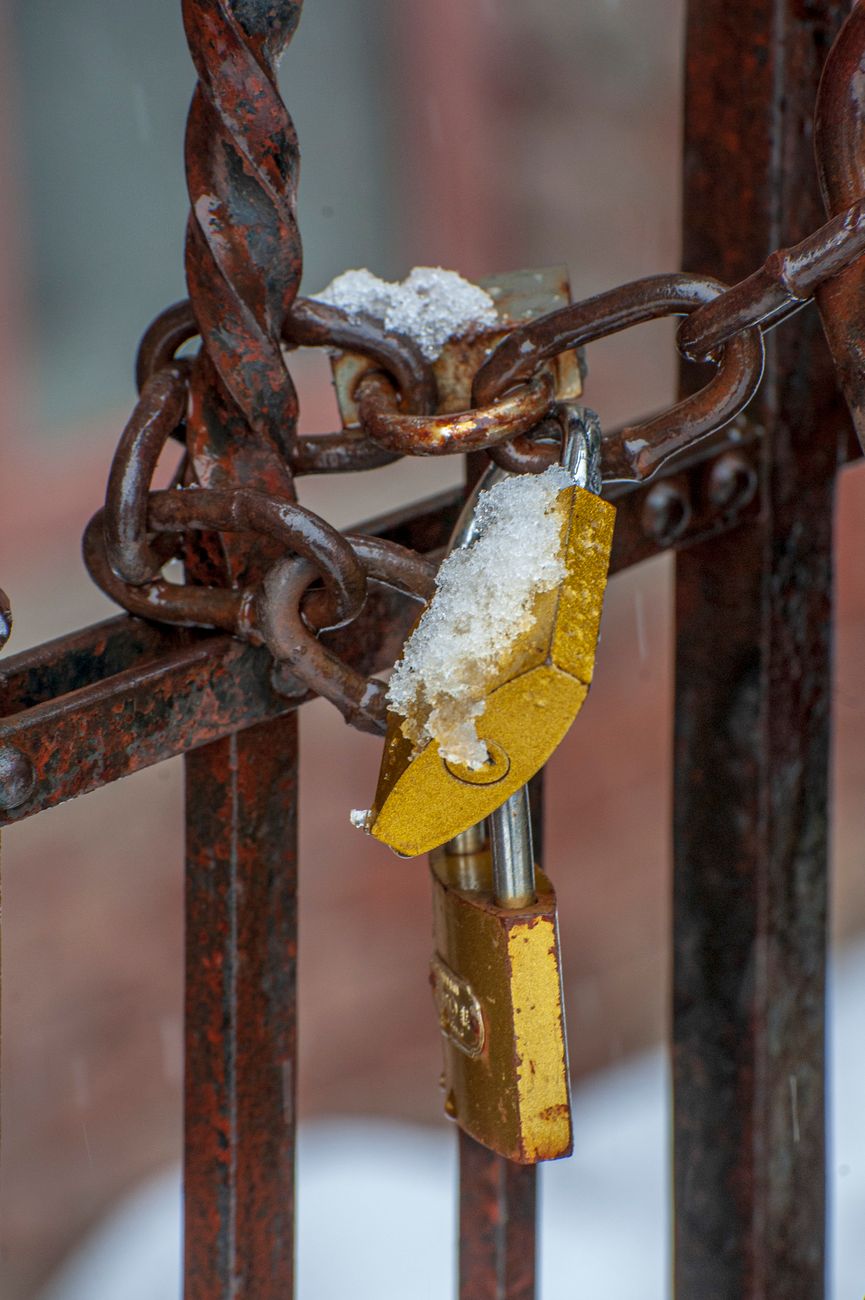
The first winter I owned a house, I did not know you had to winterize outdoor faucets. The pipe burst in February. Water sprayed inside the wall for who knows how long. The repair cost more than my monthly mortgage payment.
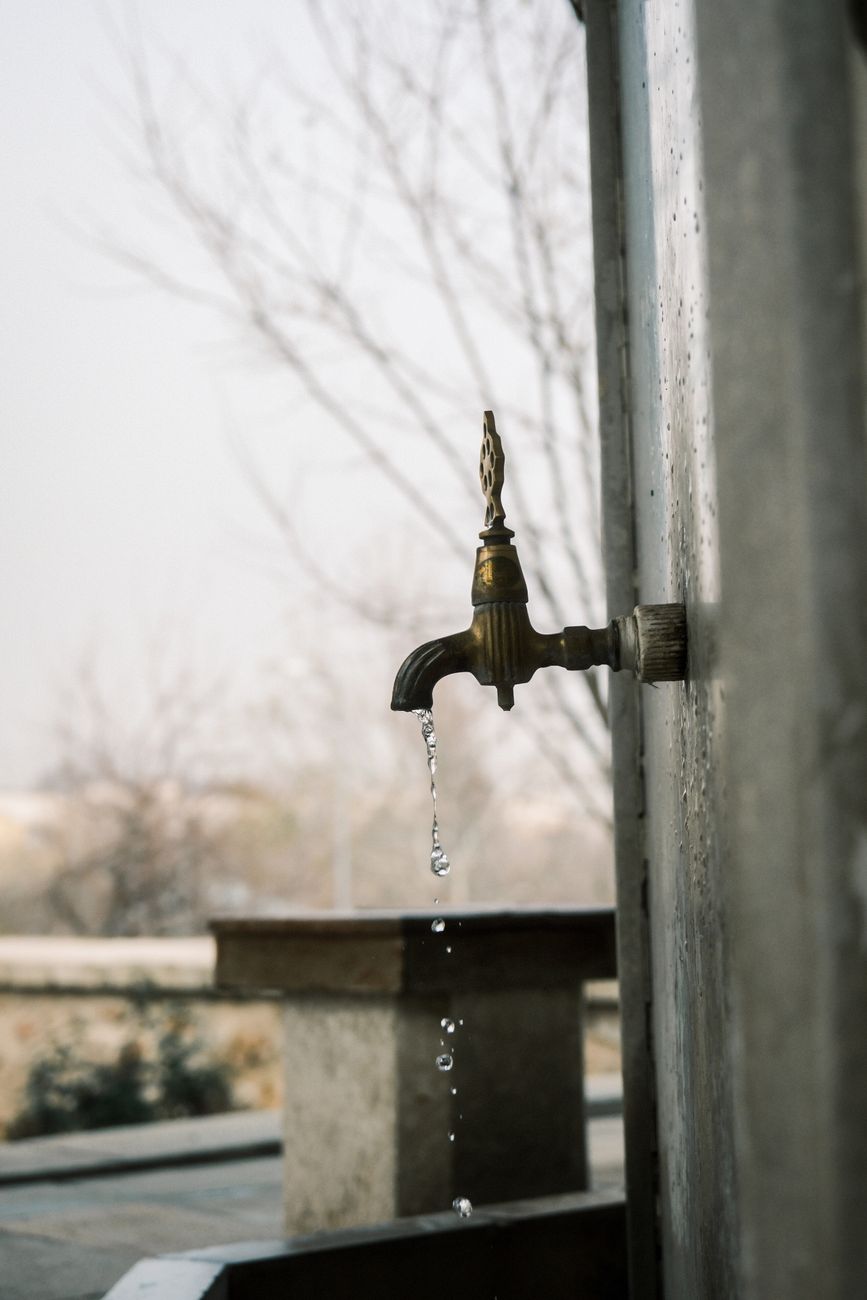
Now I protect my outdoor faucets every fall. It takes ten minutes. It costs almost nothing. And I have not paid a plumber in five years.
The Physics of Why Pipes Burst
Water expands by about nine percent when it freezes. If water is trapped inside a pipe with nowhere to expand, the pressure builds until the pipe splits. It is not the ice that breaks the pipe. It is the pressure downstream from the ice blockage.
The outdoor faucet is the most vulnerable point because it sits outside your heated envelope. Even a so-called “frost-free” faucet relies on you disconnecting the hose so water can drain out.
Step One: Disconnect Everything
Remove every hose, splitter, and timer from the outdoor spigot. If a hose is attached, water stays trapped in the faucet body. The frost-free mechanism cannot drain. The pipe freezes.
I forgot to disconnect a timer once. The timer froze solid, cracked, and leaked water all winter. Now I remove everything on the first cold weekend of October.
Step Two: Shut Off the Indoor Valve
Most houses have an interior shutoff valve for each outdoor faucet. Find it. It is usually in the basement or crawl space, on the pipe leading to the outside wall. Turn it clockwise until it stops.
Then go back outside and open the outdoor faucet all the way. This lets any remaining water drain out. Leave it open through winter.
The No-Cover Protection Method
If your house does not have interior shutoff valves — mine did not when I first moved in — you can make a temporary cover:
- Wrap the faucet body in a thick layer of newspaper or an old towel.
- Cover that with a plastic bag and secure it tightly with duct tape or a zip tie. The plastic keeps rain and snow off the insulation.
- For extra protection in very cold climates, stuff fiberglass insulation or an old sock inside the plastic bag first.
This is not as good as a shutoff valve but it has gotten me through winters where the temperature dropped to single digits.
What to Do If You Already Have a Frozen Faucet
If you turn the handle and nothing comes out on a freezing day, do not force it. Wrap the faucet in towels soaked in hot water. Change them out as they cool. The goal is slow, gradual warming. Applying a torch or heat gun can create steam pressure that bursts the pipe. Let it thaw naturally.
📋 Quick Summary: Disconnect all hoses before freezing weather, shut off interior valve if you have one, open outdoor faucet to drain. If no shutoff, wrap faucet in insulation and cover with a plastic bag secured with tape.