How to Keep Your Bird Bath From Freezing Solid Without a Heater
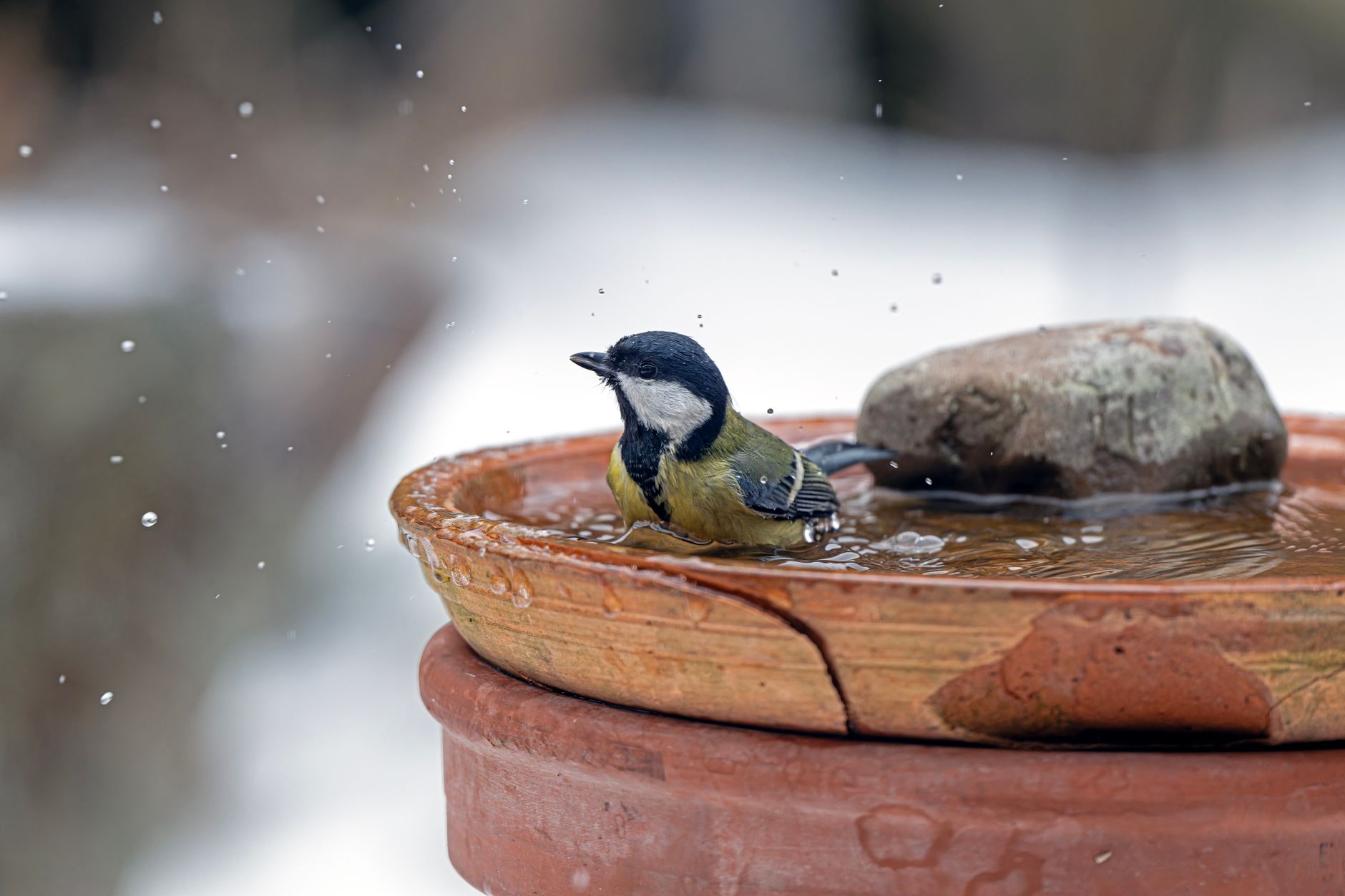
The first hard freeze of the year turns my bird bath into a solid block of ice with a dead leaf frozen in the middle like an exhibit. Birds still need water in winter. They need it more, honestly, because snow is not always easy for them to melt and drink. Here is how I keep liquid water available without buying a heated bird bath or running a cord across the yard.
Pick the right spot before it gets cold
Sunlight does the heavy lifting. A bird bath on the south side of the house, out of the wind, gets enough daytime sun to stay liquid for hours. I moved mine against the foundation wall, which also soaks up heat from the house and radiates it back at the bowl at night.
The cheap tricks that actually work
- A floating ball. A ping pong ball or small rubber ball bobs on the surface. Any breeze keeps it moving, and moving water freezes much slower than still water.
- A dark bowl insert. Dark surfaces absorb sunlight. A black plastic liner inside the bath warms the water faster than the light concrete bowl.
- Insulate underneath. A slab of foam or a couple of bricks under the bath lifts it off the frozen ground and slows heat loss from below.
My twice-a-day habit
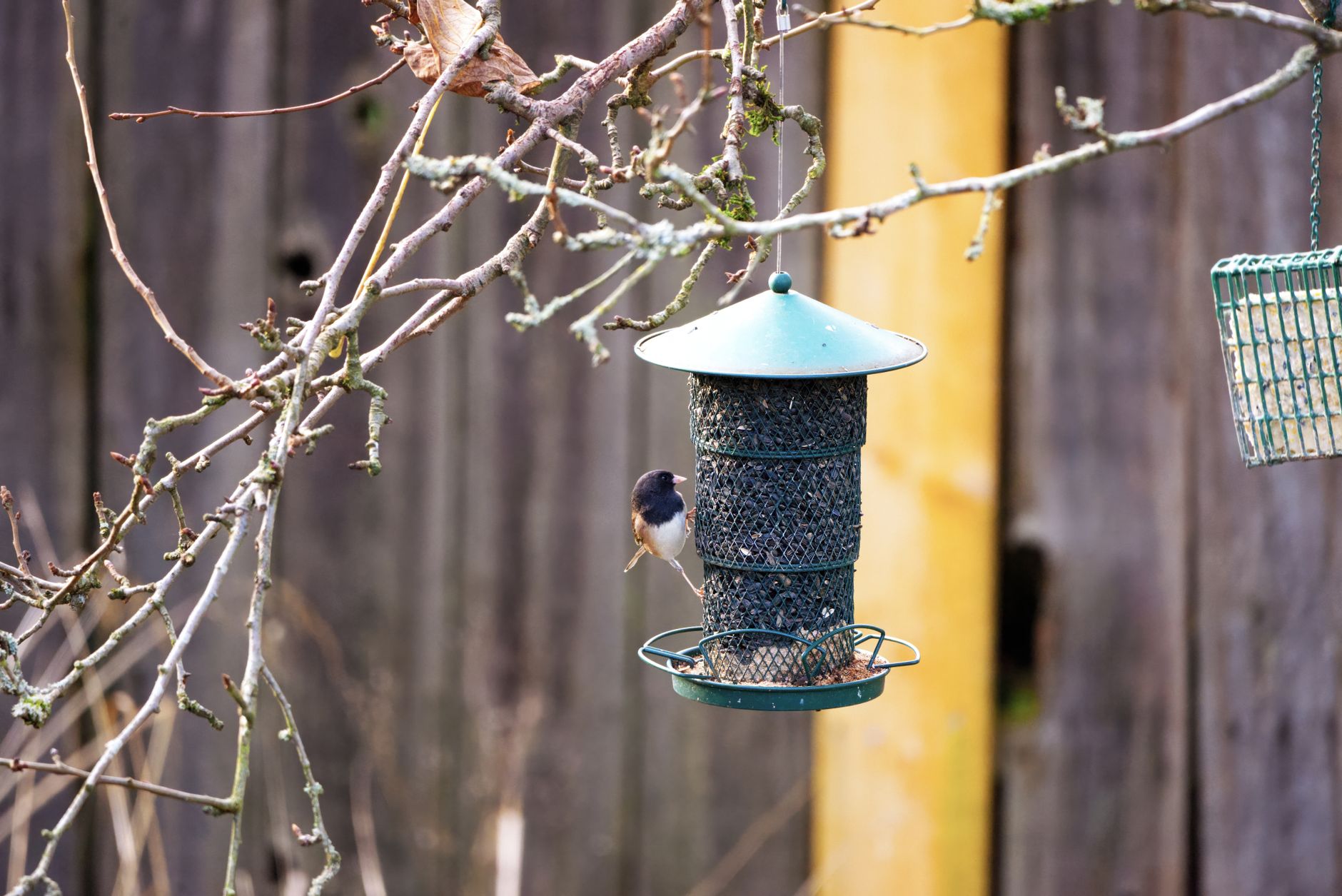
I still dump and refill the bath each morning and again before dinner. It takes thirty seconds with a kettle of hot water to melt the skim ice, and the birds learn the schedule fast. By 7am there is usually a line of chickadees waiting for me to finish pouring.
Skip the salt and chemicals
Never add salt or antifreeze products to keep water liquid. They poison birds that drink from the bath. If you want a heater, buy one made for bird baths. The little de-icers pull surprisingly little power and shut off automatically, but the tricks above got me through two winters without one.
📋 Quick Summary: Put the bath in sunny, sheltered spot, float a ball to keep water moving, insulate underneath, and top up with hot water twice a day instead of using salt or chemicals.