How to Paint a Room in Half the Time by Loading Your Roller Properly
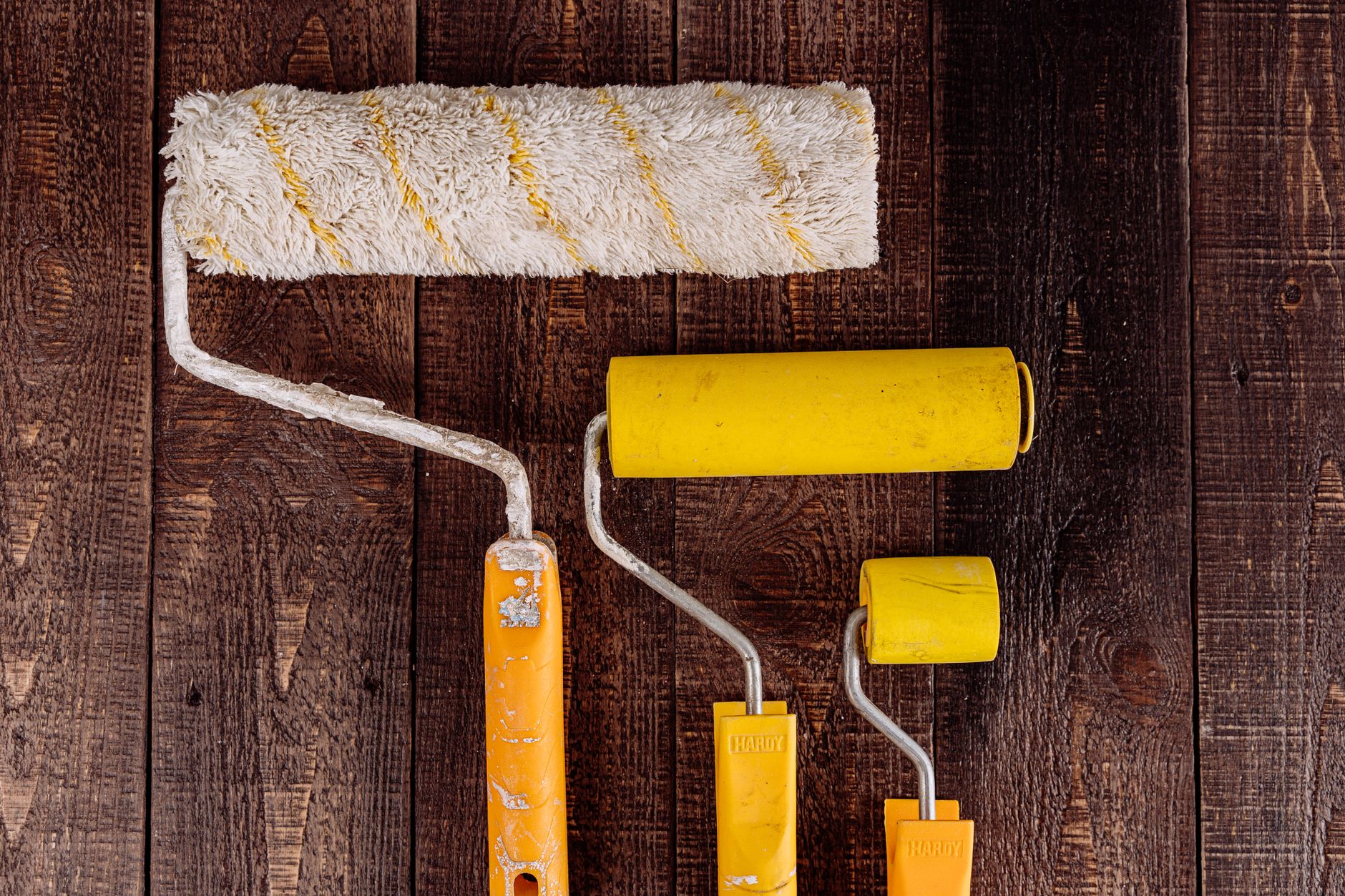
I painted my first room by dipping the roller in the tray, rolling it back and forth twice, and slapping it on the wall. I went through an entire gallon of paint on a room that would normally take half that. The coverage was terrible. I had to do three coats where one should have been enough.
The problem was not the paint. It was how I loaded the roller. Once a painter friend showed me the right way, I cut my painting time in half. Here is what he taught me.
The W Pattern — Not Back and Forth
Most people roll the roller straight up and down. That loads paint unevenly. Instead, roll a W pattern on the wall: diagonal down-right, diagonal up-right, diagonal down-left, diagonal up-left. This spreads the paint evenly across the roller and onto the wall. Then go back and fill in the W with vertical strokes from top to bottom.
You cover more wall with each dip and avoid the thin spots that force you into a second or third coat.
Load the Roller Correctly
Dip the roller into the paint tray so it is submerged about halfway. Roll it up the textured ramp of the tray three or four times — not just back and forth in the puddle. The ramp squeezes excess paint out of the nap and distributes it evenly. The roller should feel heavy with paint but not dripping. If paint is running down your arm when you lift the roller, you have too much.
Cut In First
Always paint the edges and corners with a brush before you roll. This is called cutting in. Do the ceiling line, baseboards, window frames, and corners. By the time you finish cutting in the whole room, the brushed paint is still wet enough that the roller blends into it seamlessly. If you roll first and brush second, you will see brush marks against the rolled texture.
Keep a Wet Edge
Never let one section of wall dry completely before you start the adjacent section. Overlap each new roller-width by about two inches into the still-wet area. If you let an edge dry, the overlap will show as a visible line. Work on one wall at a time, top to bottom, before moving to the next.
Quick Summary: Use a W pattern, not straight lines. Load the roller on the tray ramp until it is saturated but not dripping. Cut in edges first. Keep a wet edge between sections.