How to Melt Ice on Your Walkway Without Damaging the Concrete
The Cracked Step
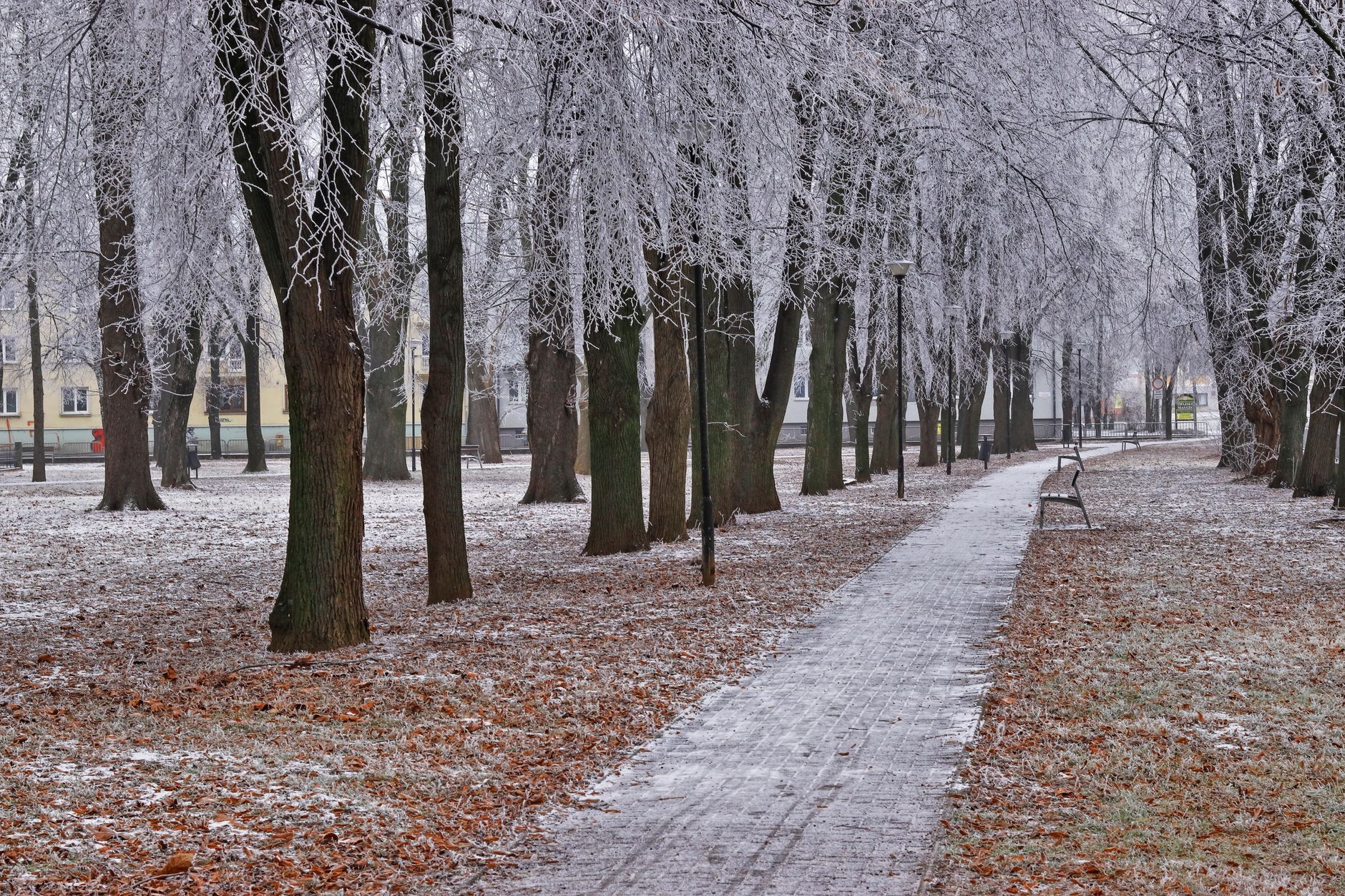
I found a crack running across my front step last spring and traced it back to one thing: the bag of rock salt I had thrown down all winter. Rock salt does not just melt ice. It damages concrete. The salt gets into the pores, and the freeze thaw cycle pries the surface apart from the inside.
You can keep your walkway safe all winter without wrecking it.
What To Use Instead
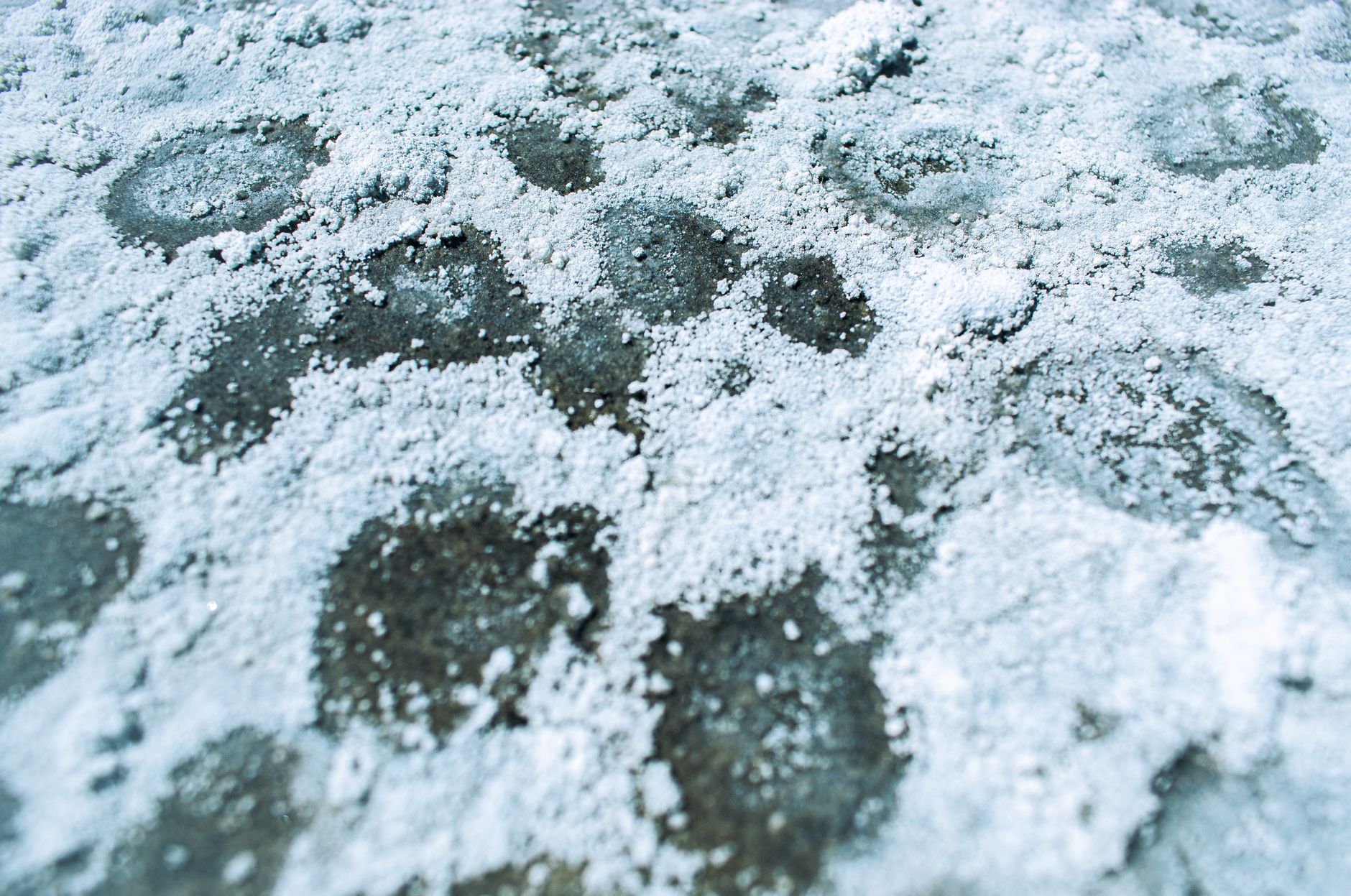
Calcium chloride melts ice down to much lower temperatures and does far less damage to concrete. It costs a little more per bag, but it works faster and you need less of it. Look for bags labeled calcium chloride or magnesium chloride, and skip the plain rock salt.
Sand or kitty litter provides traction without melting anything. It does not hurt the concrete at all, and it is the right tool for the days when the ice is not going anywhere anyway.
The Two Biggest Mistakes
Mistake one: shoveling down to bare concrete. Every scrape takes a thin layer of the surface with it. Leave a thin layer of snow under the shovel and save the surface.
Mistake two: using hot water. Pouring hot water on ice cracks concrete from the sudden temperature change. Cold water or a calcium chloride pellet does the job without the shock.
- Use calcium or magnesium chloride instead of rock salt
- Add sand or kitty litter for pure traction
- Shovel less aggressively, leave a thin layer
- Never pour hot water on ice
One extra tip: deal with ice early in the morning when it is still crunchy, before the sun melts the top and refreezes it into a solid sheet. Early removal is always easier than chipping.
My step has not gained a single new crack since I switched. Safer walkway, happier concrete, and one less repair bill in the spring.
📋 Quick Summary: Use calcium or magnesium chloride instead of rock salt, add sand for traction, and never pour hot water on ice. Your concrete will survive the winter.