How to Make a Perfect Omelet Without Sticking
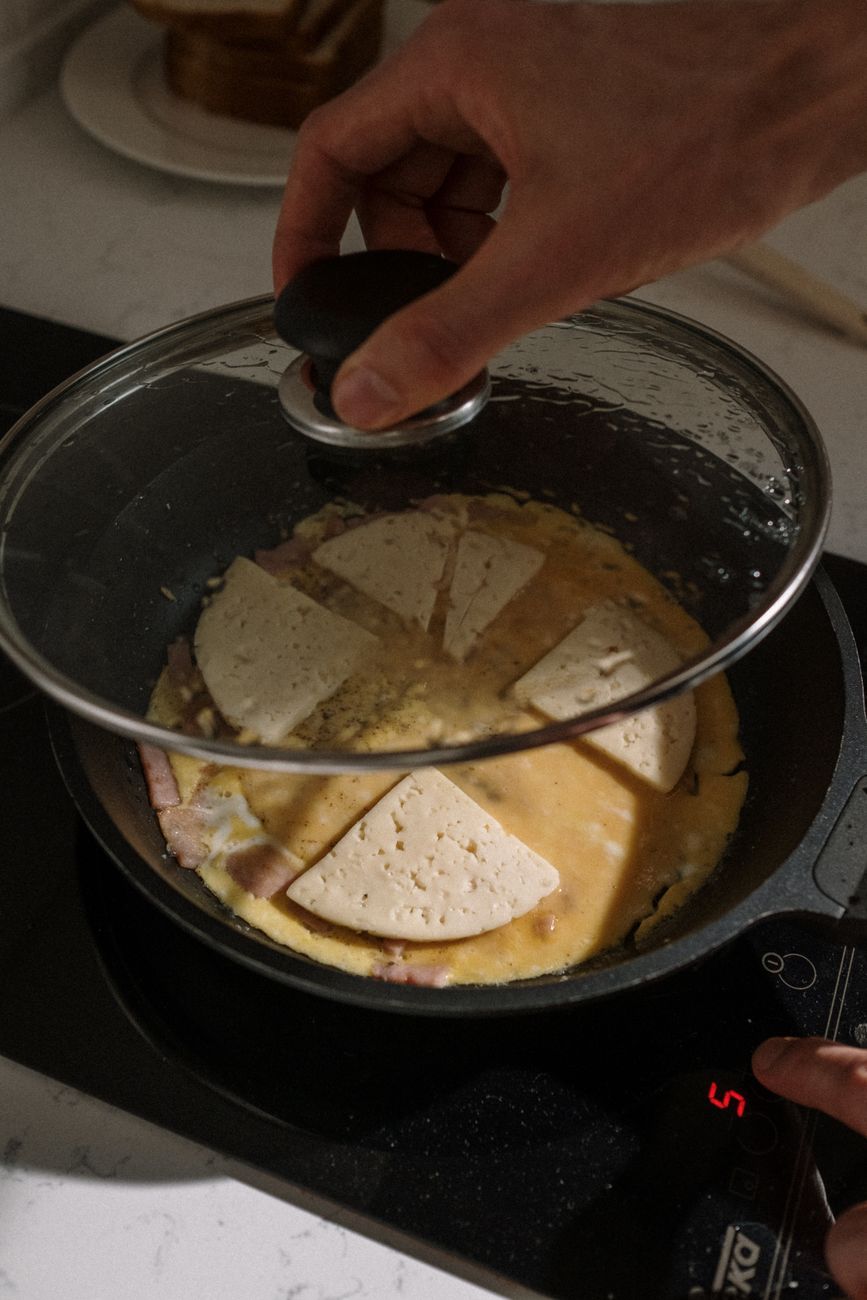
I used to think I was cursed in the kitchen. Every omelet I made turned into scrambled eggs glued to the pan, and I scrubbed more than I ate.
Then my aunt, who cooked breakfast for a living, watched me one morning and laughed. She said my pan was too hot, my butter was too late, and my eggs were too beaten. Three fixes, and I have not stuck an omelet since.
Get the pan temperature right
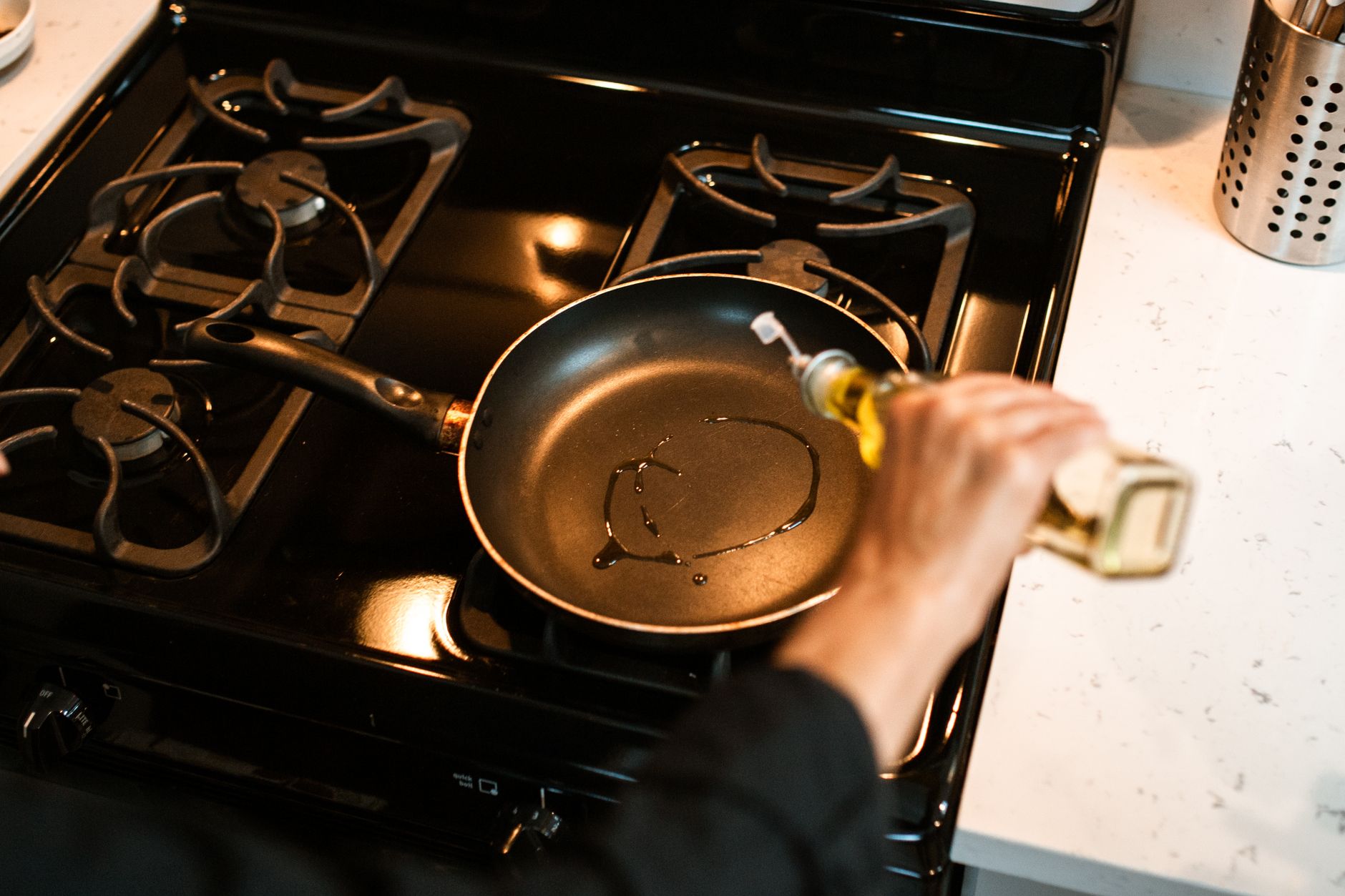
A cold pan grabs eggs. A screaming hot pan burns them. The sweet spot is medium heat, and you test it with the butter. Add the butter and wait. It should melt gently and foam, not brown or smoke. That is your signal.
Use enough butter
Nonstick spray is not enough. Use a solid knob of butter and tilt the pan so it coats the whole surface. The butter does two jobs: it greases the pan and it adds flavor.
Do not overbeat the eggs
Beat until the yolks and whites just come together. If you whip air into them, the omelet puffs up and then collapses into rubber. A few strokes with a fork is all it takes.
Let the edges set before you touch them
Pour in the eggs and leave them alone for about thirty seconds. When the edges look set, gently push the cooked egg toward the center and tilt the pan so the raw egg fills the gap. Repeat until the top is almost set.
Fold and slide
Fold the omelet in half, or thirds if you are fancy, and let it sit for ten seconds. Then slide it onto the plate. If it moves freely, you did it right.
What to do with a stuck omelet
If it sticks anyway, stop scraping. Loosen the edges with a spatula, slide it out, and call it a folded scramble. It still tastes the same, and nobody at the table cares.
My aunt was right about all three things. These days the omelet slides onto the plate in one piece, and breakfast takes less than ten minutes.
📋 Quick Summary: Medium heat, real butter, lightly beaten eggs, and patience at the edges are the secrets to a nonstick omelet.