How to Dry Clothes Indoors During Rainy Season Without Musty Smell
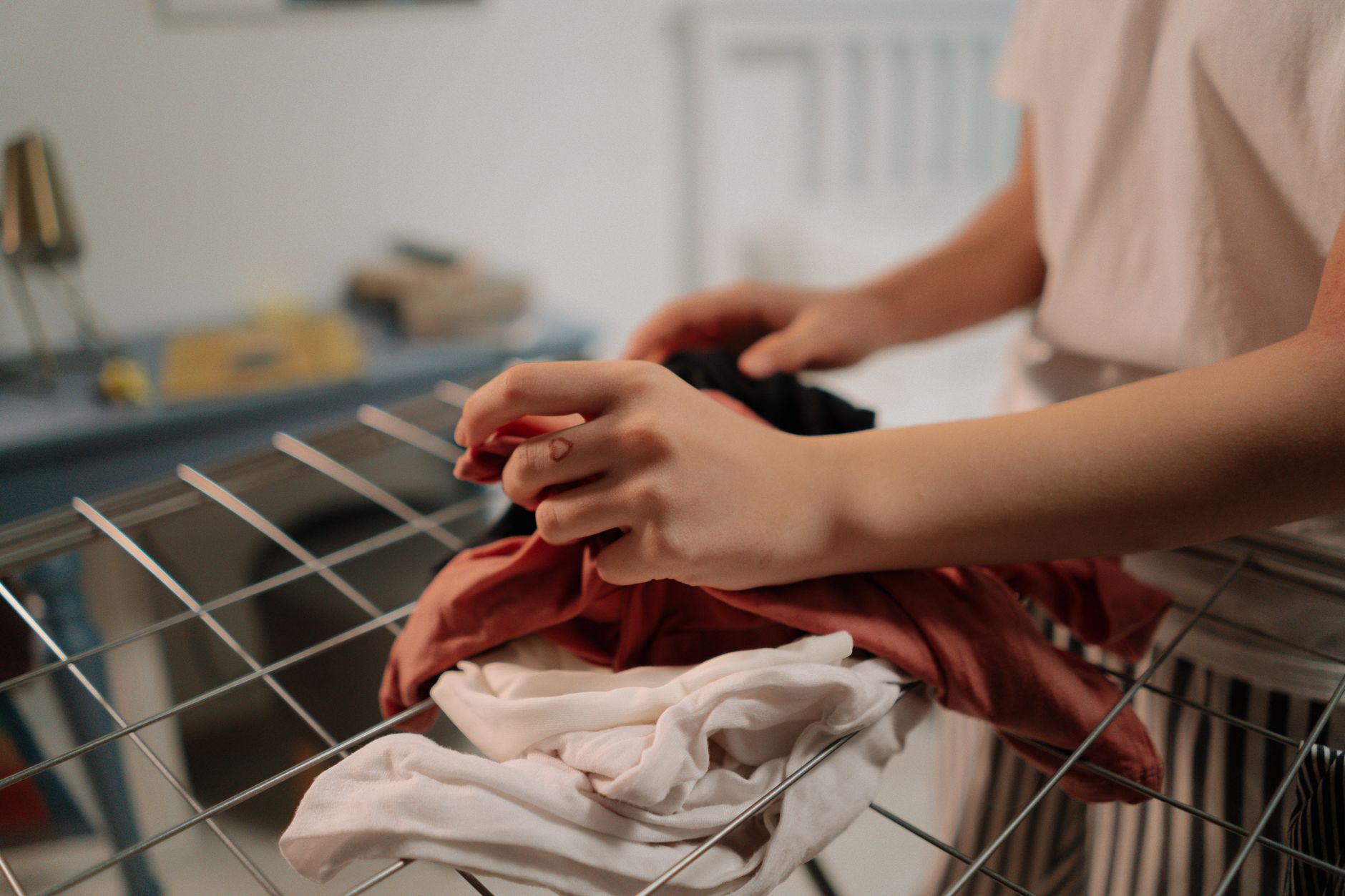
I lived in an apartment for two years with no dryer and a rainy season that lasted from May through September. Week three of the first monsoon, everything I owned smelled like a forgotten gym bag. My socks took two days to dry. A towel once developed visible mold spots before it was dry enough to fold.
I tried everything. Most of it failed. Here is what actually worked, in order of effectiveness.
Airflow Is More Important Than Heat
Clothes dry because water evaporates, not because they get hot. Evaporation needs moving air more than it needs warmth. A standard box fan pointed at a drying rack cuts drying time in half compared to just opening a window. Position the fan so air blows across the clothes, not at a single point. I use a $25 oscillating pedestal fan and it does more work than my dehumidifier.
Spin Cycle: Run It Twice
Most washing machines let you run an extra spin cycle. Do it. An extra 10 minutes of spinning removes a shocking amount of water before the clothes even leave the machine. This alone can cut indoor drying time by 30-40%. I started doing this after a friend who worked in a laundromat told me it was the single biggest difference-maker — and he was right.
Dehumidifier in a Small Room
If you have a dehumidifier, put it in the smallest room you can — a bathroom or laundry closet — with the drying rack and close the door. The dehumidifier pulls moisture from the air, which lets the clothes release more moisture faster. Set it to 40-50% humidity. Empty the water tank when it fills. I used a bathroom that was maybe 40 square feet, and jeans dried in about five hours instead of twelve.
Space Clothes Out — No Overlapping
The biggest mistake is cramming too many items on one rack. Every piece of clothing needs air on both sides. Hang shirts by the hem so air flows up through the body. Pants go over the top bar with legs separated. Socks and underwear go on a separate smaller rack. If clothes are touching, the touching parts stay wet. A rack that claims to hold “30 items” realistically holds about 12 if you want them to dry the same day.
What About Heated Drying Racks?
Heated racks work — they cut drying time by about half compared to ambient air — but they are expensive and use electricity. A regular rack with a fan is 80% as effective for 20% of the cost. If you live somewhere with truly constant humidity (like I did), a small dehumidifier + fan combo beats a heated rack. Save the heated rack for when you have money to spend on a nice-to-have.
📋 Quick Summary: Fan across the rack (airflow > heat). Extra spin cycle removes more water upfront. Dehumidifier in a small closed room. Space clothes so nothing overlaps. Heated racks are optional — a fan does most of the work for a fraction of the cost.