How to Cut Your Energy Bill by Finding the Hidden Power Drain

My energy bill jumped thirty dollars one month for no reason I could see. No new appliances, no change in habits. I finally bought a $12 power meter and started testing every outlet in the house. What I found was embarrassing: a whole shelf of electronics that were on, doing nothing, around the clock. That is the hidden power drain, and finding it saved me about $40 a month.
What a Phantom Load Is
Many devices keep drawing power even when they are off or in standby. Anything with a clock, a light, or a remote is using electricity 24/7. TVs, cable boxes, game consoles, phone chargers, and microwaves all count. Alone, each one is tiny. Together, they can be 10 percent of your bill.
The Power Meter Method
- Buy a basic plug-in power meter, about ten to fifteen dollars.
- Plug the meter into a wall outlet, then plug a device into the meter.
- Check the wattage with the device off but plugged in.
- Do the same with it on, so you know the difference.
- Walk the house and test the big suspects.
What I Found
- My game console used 14 watts in standby, the same as a small light bulb, forever.
- Two phone chargers left in the wall each drew a small but real amount.
- The cable box was the worst, 18 watts around the clock.
- The TV used almost nothing in standby, so I stopped worrying about that one.
The Fixes
Plug groups of devices into one power strip, then flip the strip off when you leave the room. That is the simplest fix and it works.
Unplug chargers when nothing is charging. They draw power just sitting in the wall.
Turn off the console fully. Standby mode and instant-on mode are conveniences you can live without.
Things I Got Wrong
I guessed instead of measuring. I assumed the TV was the big drain and it was not. The cable box and the console were. Measure first, fix second, or you will spend effort in the wrong place.
I forgot the basement and garage. Old freezers, dehumidifiers, and chargers hide down there. Test every outlet, not just the living room.
The Math
Say you find 50 watts of phantom load. That is about 36 kilowatt-hours a month, or roughly five dollars at average rates. Find four or five of those and you are at twenty dollars a month, which is over two hundred dollars a year. For one afternoon of work.
Check Your Rates Too
While you are at it, look at your bill for the price per kilowatt-hour. Time-of-use plans charge more during peak hours. Running the dishwasher and laundry after 9 p.m. on those plans saves real money with zero effort.
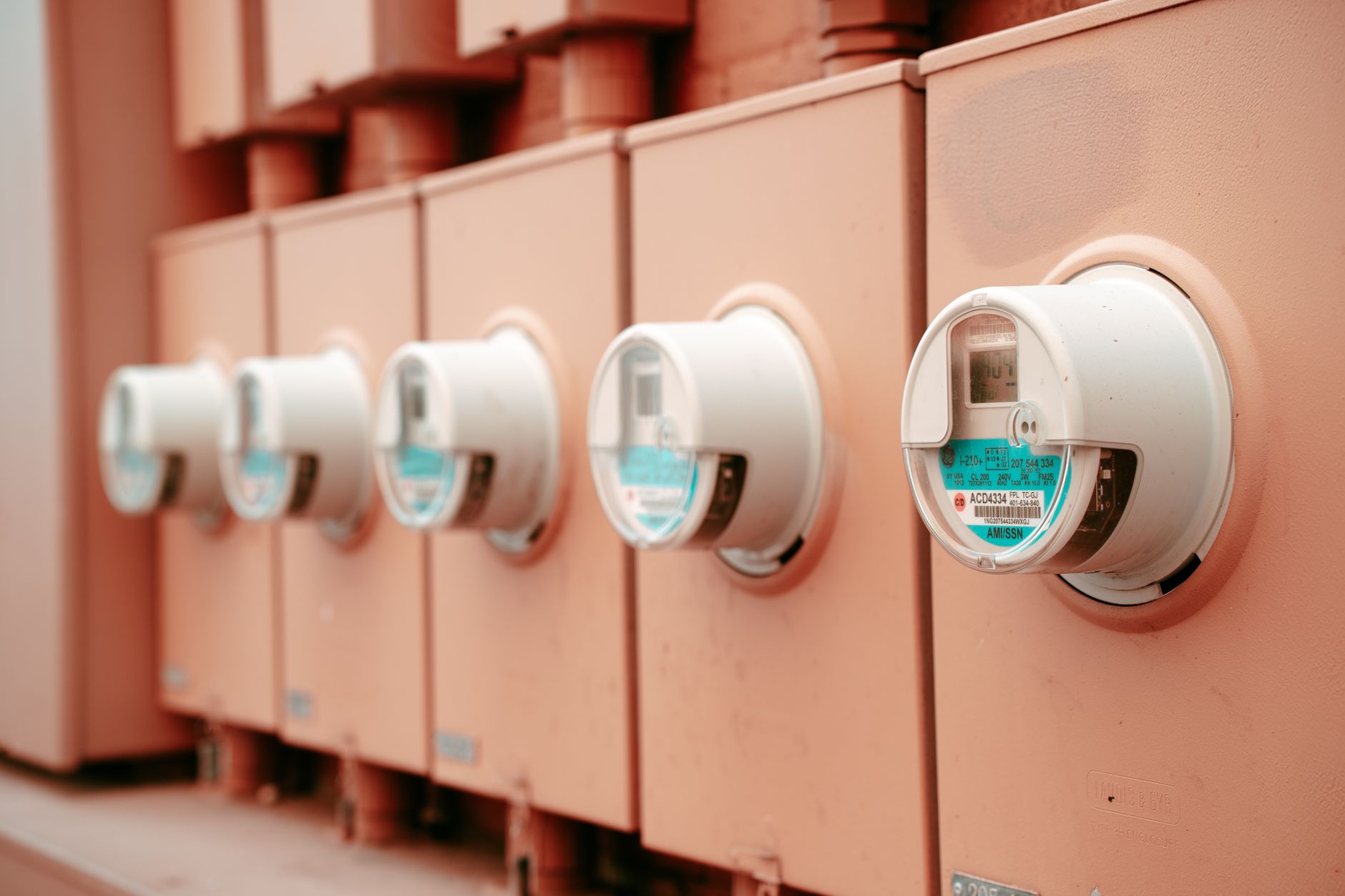
The meter paid for itself in the first week. Now I flip one power strip before bed, and my bill is the lowest it has been in two years.
📋 Quick Summary: Find phantom power drains with a cheap plug-in meter, then group devices on power strips and switch them off to cut your energy bill.