How to Build a Small Emergency Fund Without Noticing
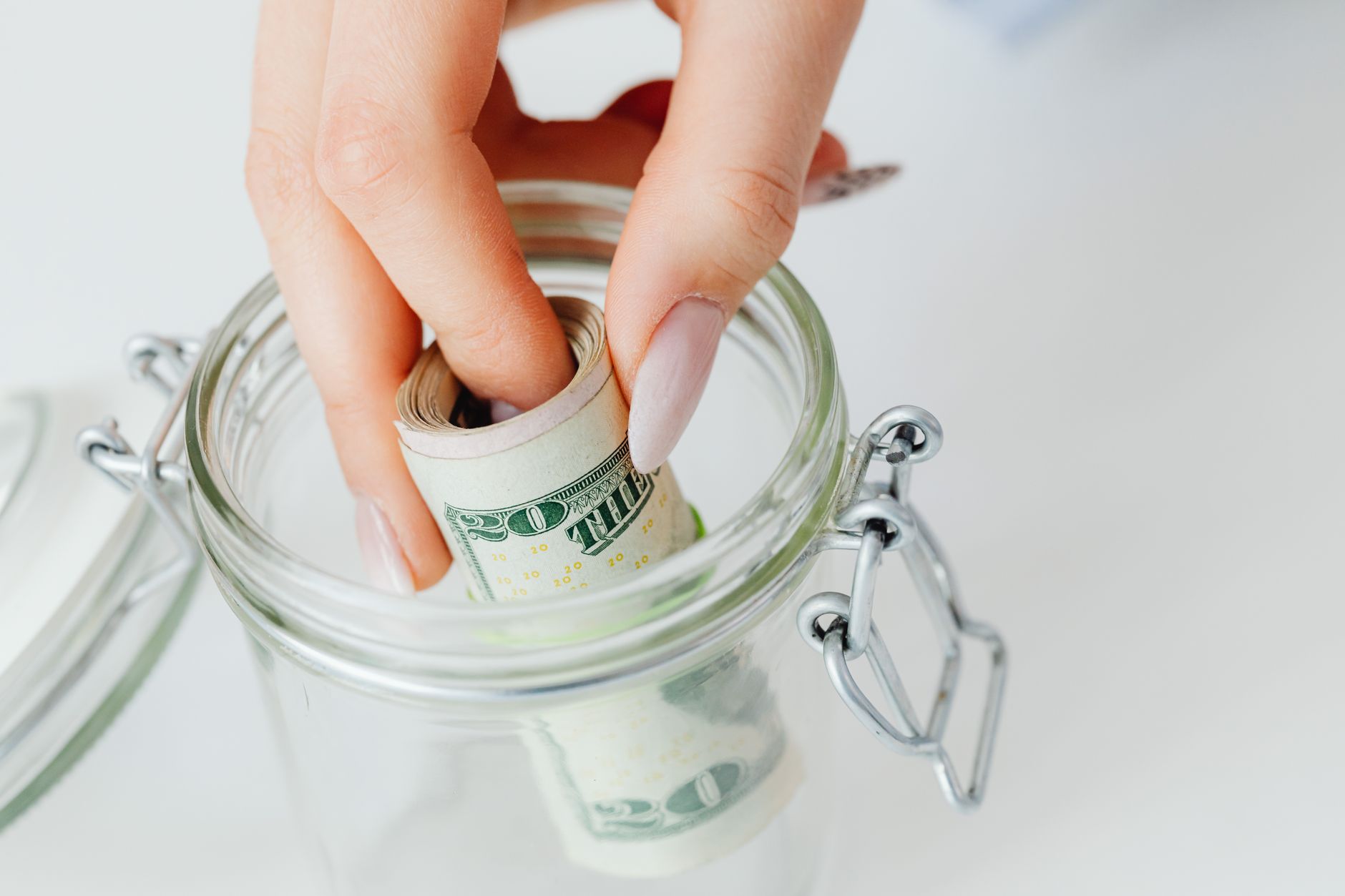
The month my car needed a new alternator, my emergency fund was a jar of coins and good intentions. The repair cost four hundred dollars, the jar covered maybe forty, and the rest went on a credit card that took me six months to pay off.
The experts all say to save three to six months of expenses. That number is so big it made me give up before starting. So I started smaller, with a number that felt stupid: one hundred dollars. And the system that built it was so automatic I genuinely did not notice the money leaving.
Automate Before You Feel It
Willpower is a terrible savings plan. Automation is the only thing that works for me:
- Pick an amount that does not hurt: ten dollars a week, or whatever fits. Small enough that you never miss it.
- Set up an automatic transfer from checking to savings on payday, before you can spend it.
- Name the account something real: Emergency Fund, Not for Tacos, Whatever. A label makes it feel like actual money instead of a rounding error.
The key is that the transfer happens the same day as your paycheck. Money you never see is money you never spend.
Round Ups Are Cheating, Use Them
My bank offers round ups: every debit card purchase rounds up to the next dollar and the difference goes to savings. A four dollar coffee becomes five, and the extra dollar disappears. It sounds like nothing, but it quietly added up to about thirty dollars a month for me without a single decision.
Windfalls Are Half the Battle
The automatic transfers build the base. The windfalls build it fast:
- Tax refunds: Put half in the fund, spend half. You still feel rewarded, the fund still grows.
- Bonuses and overtime pay: Same rule, half and half.
- Cash gifts: Birthday money from relatives goes straight in unless it was for something specific.
- Found money: Rebates, refunds, that ten dollars in the winter coat. All of it into the fund.
The One Hundred Dollar Milestone
The first goal is not a year of expenses. It is one hundred dollars. That covers the small emergencies that used to hit my credit card: a parking ticket, a co pay, a tow truck. Reaching that first milestone felt better than any purchase, because it was the first time in my life that an unexpected bill did not scare me.
Then Make It Grow
Once the automatic habit is set, you can raise the amount when you get a raise or pay off a debt. I went from ten dollars a week to twenty, then to forty. Two years later the fund passed two thousand dollars, and when the water heater died last winter, I paid for it without touching the credit card. That feeling is worth more than anything the money could have bought along the way.
The emergency fund is not about the number. It is about the fact that an emergency no longer becomes a debt.
📋 Quick Summary: Automate a small transfer to a named savings account on payday, use bank round ups, and put half of any windfall in the fund. Start with a one hundred dollar goal and raise the amount as your budget allows.