How to Clean Ceiling Corners and Cobwebs Without a Ladder
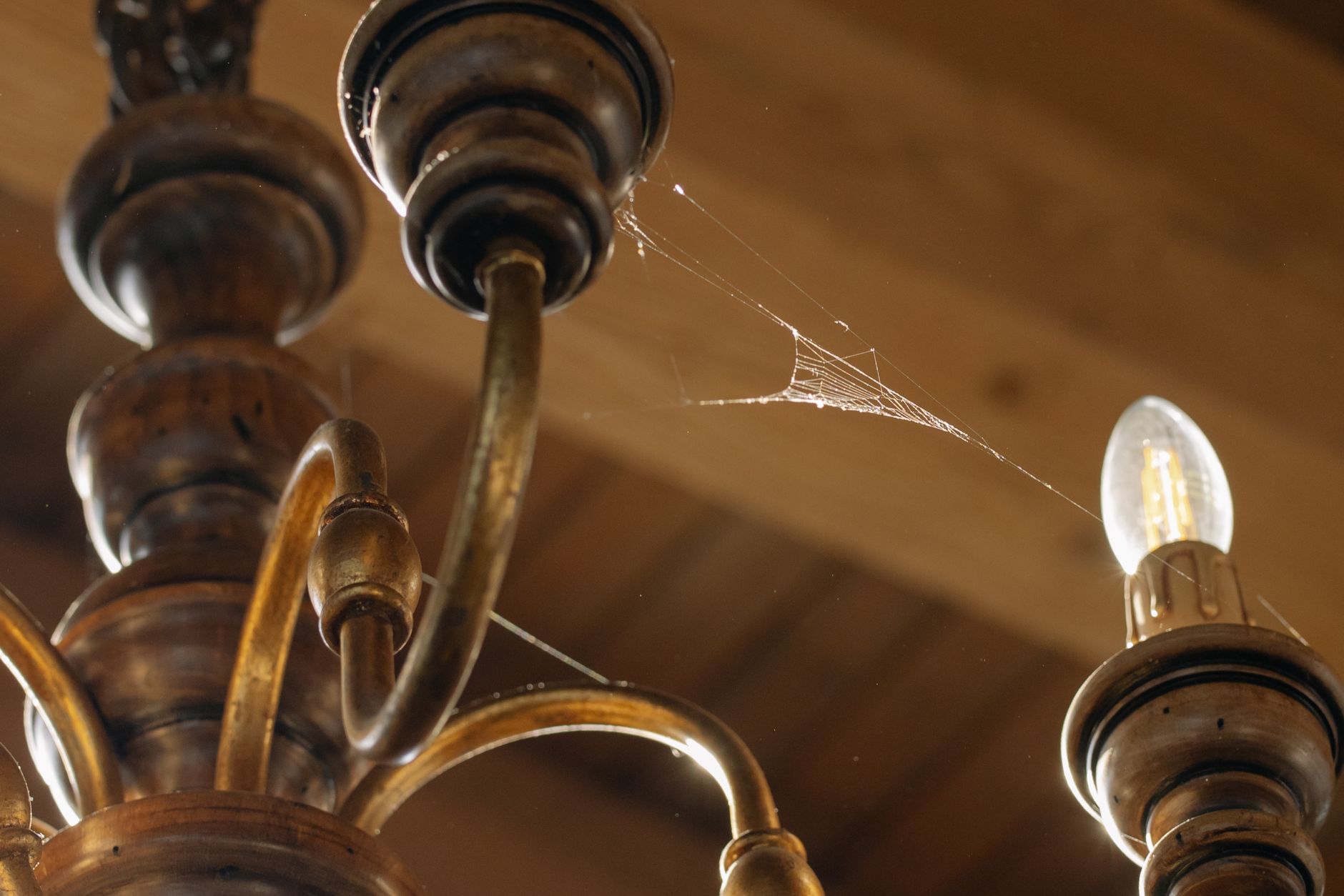
I am not tall, and my ceilings are. For years I ignored the cobwebs in the corners because dragging out a ladder for one web felt ridiculous. Then I made an extender from stuff I already owned, and now the corners take me about two minutes.
The no ladder tool
Take a long broom handle or a paint roller extension pole and attach a dusting cloth to the end with a rubber band. A microfiber cloth works best because it grabs the web instead of pushing it. If the corner is really high, a paint roller frame with a fluffy dusting sleeve screws right onto the pole and reaches almost any ceiling.
For the corners themselves, I wrap the cloth around a small sponge taped to the pole end. The sponge lets me press into the angle where the walls meet, which is exactly where webs collect.
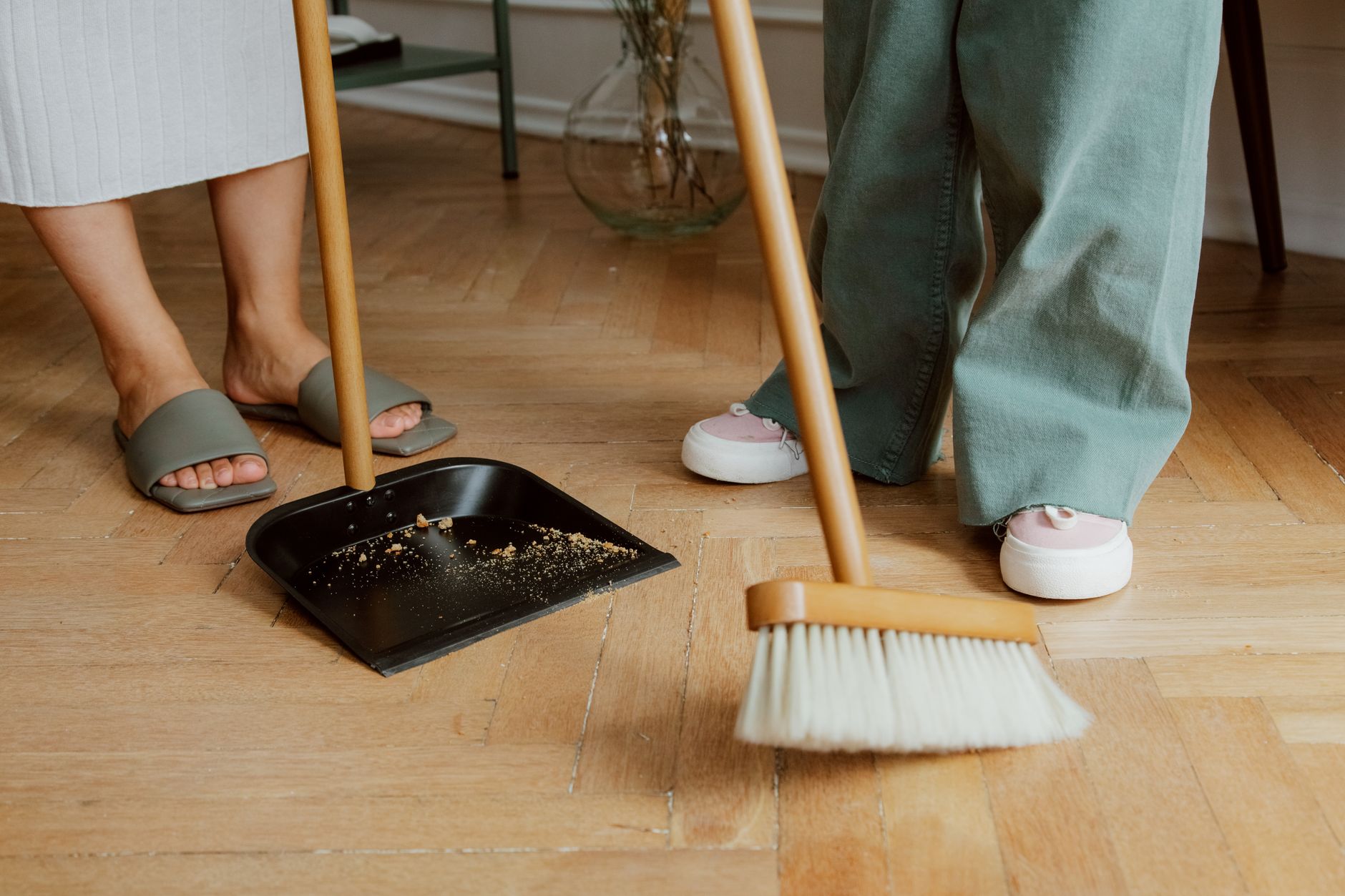
How to remove a web without smearing it
The trick is to touch the web lightly and pull, not swipe at it hard. A hard swipe breaks the web into strands that stick to the wall and look worse. Light contact makes the whole web stick to the cloth, and it comes down in one piece.
I also do a quick pass along the top of the door frames and the corners behind furniture. Spiders like quiet corners, and those spots always surprise me.
Keep them from coming back
Cobwebs reappear fastest where spiders find food, which usually means little flies and gnats near windows and lights. I do two things:
- Dust the corners every two weeks with the same pole setup. Webs that get knocked down early do not get big.
- Check the window screens for gaps and seal them. Fewer bugs in, fewer webs.
I keep the pole behind the door now. The two minutes every couple of weeks beats the twenty minute ladder session I used to do twice a year, and the corners look better all the time.
📋 Quick Summary: Attach a microfiber cloth to a broom or roller pole with a rubber band, touch ceiling webs lightly so they stick whole, and dust corners every two weeks to keep webs from returning.