How to Clean a Dirty Mop So It Actually Works Again
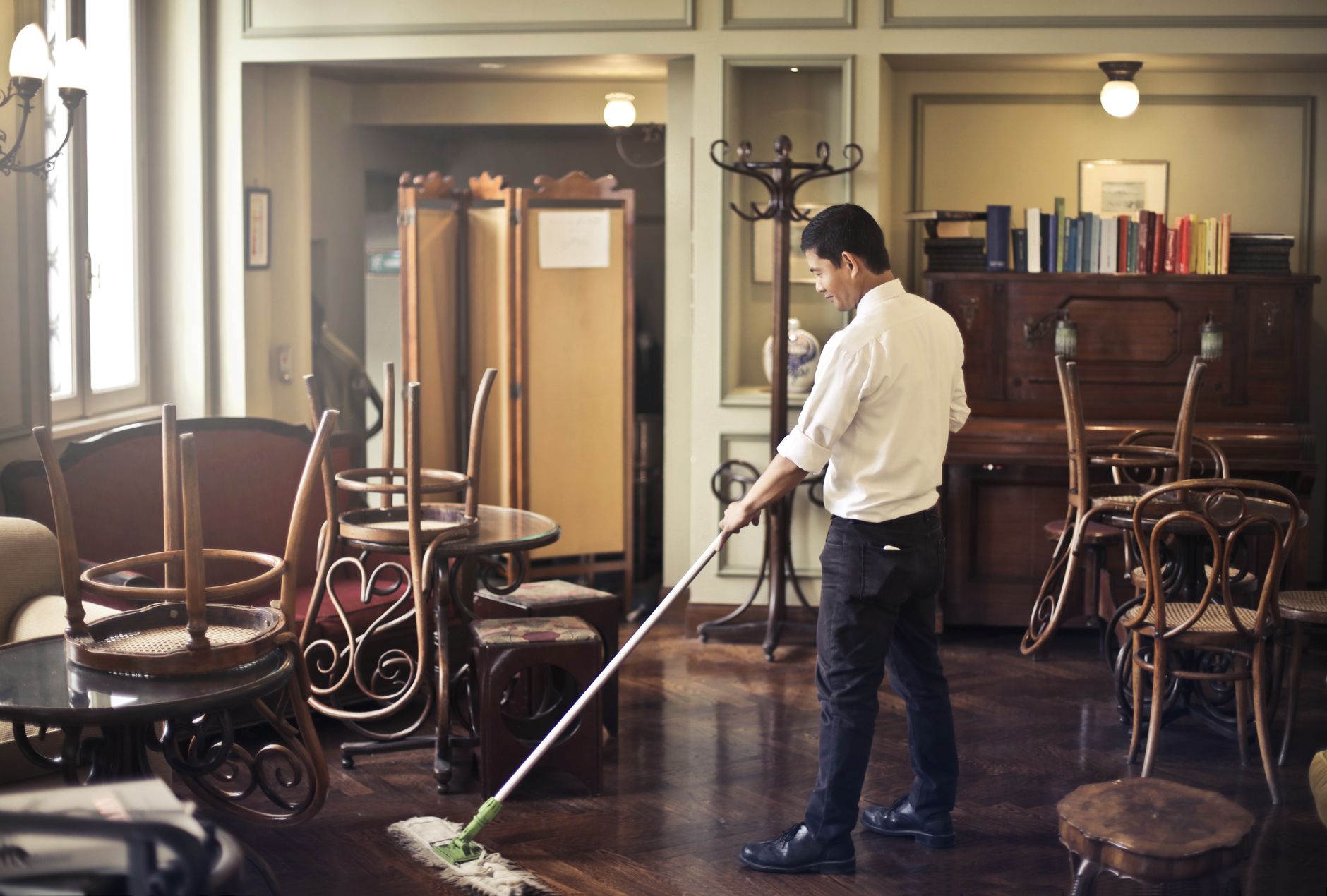
If your mop smells like damp basement and your floors look worse after you use it, the mop is the problem, not your technique. I learned this the hard way after mopping my kitchen three times and wondering why it still felt sticky.
A dirty mop does not clean. It spreads bacteria and grime back onto the floor in a thin film. Most of us never clean the mop itself, so it gets worse every single week.
Clean the head after every use
Rinsing the mop head under the tap is not enough. After you finish mopping, give it a real wash. For a sponge mop, soak the head in a bucket of hot water with a splash of bleach or white vinegar for ten minutes. For a string mop, the same soak works, then rinse it thoroughly until the water runs clear.
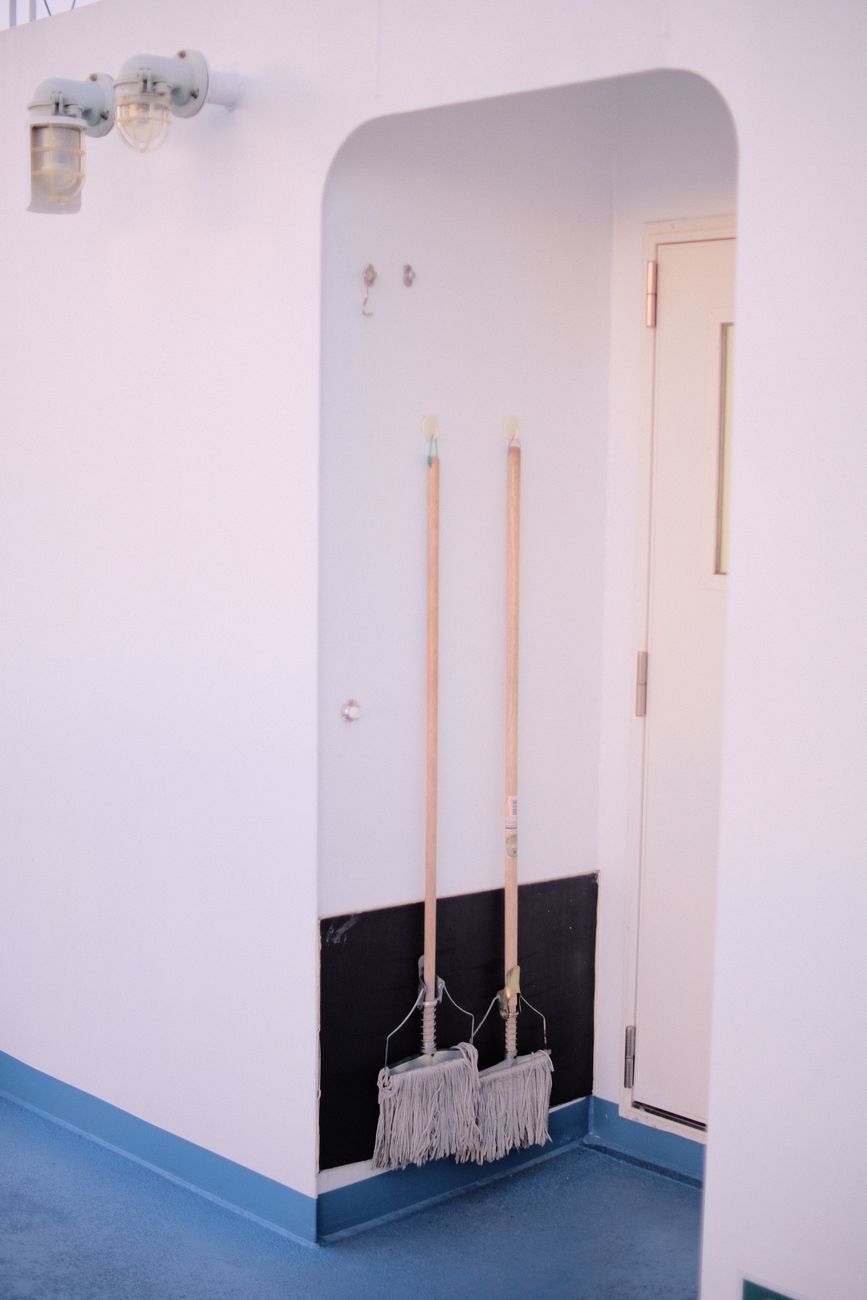
Baking soda for the smell
If the mop head smells even after a rinse, soak it in hot water with baking soda and a little dish soap. The baking soda pulls the odor out of the fibers. I do this once a month and it keeps my mop from stinking up the laundry room.
Swap removable heads regularly
If your mop has a removable, washable head, just throw it in the washing machine on a hot cycle. Machine washing gets deep into the fibers in a way hand rinsing never will. Do this every few uses, not once a year.
Know when to replace it
Mop heads wear out. When the fibers start shredding, the sponge crumbles, or the smell will not go away after two deep cleans, replace the head. A worn mop head is like a worn toothbrush: it stops doing the job and starts making things worse.
The day I started cleaning my mop after every use was the day my floors actually looked clean. It sounds obvious, but it took me years to connect the dots.
📋 Quick Summary: Soak mop heads in hot water with bleach, vinegar, or baking soda after each use, machine wash removable heads, and replace worn heads.