How to Check Your Iron Levels Without a Blood Test
I spent a whole winter exhausted, blaming it on short days and a bad sleep schedule. It wasn’t until my doctor asked a few pointed questions that I found out my iron was low. The clues had been there the whole time.
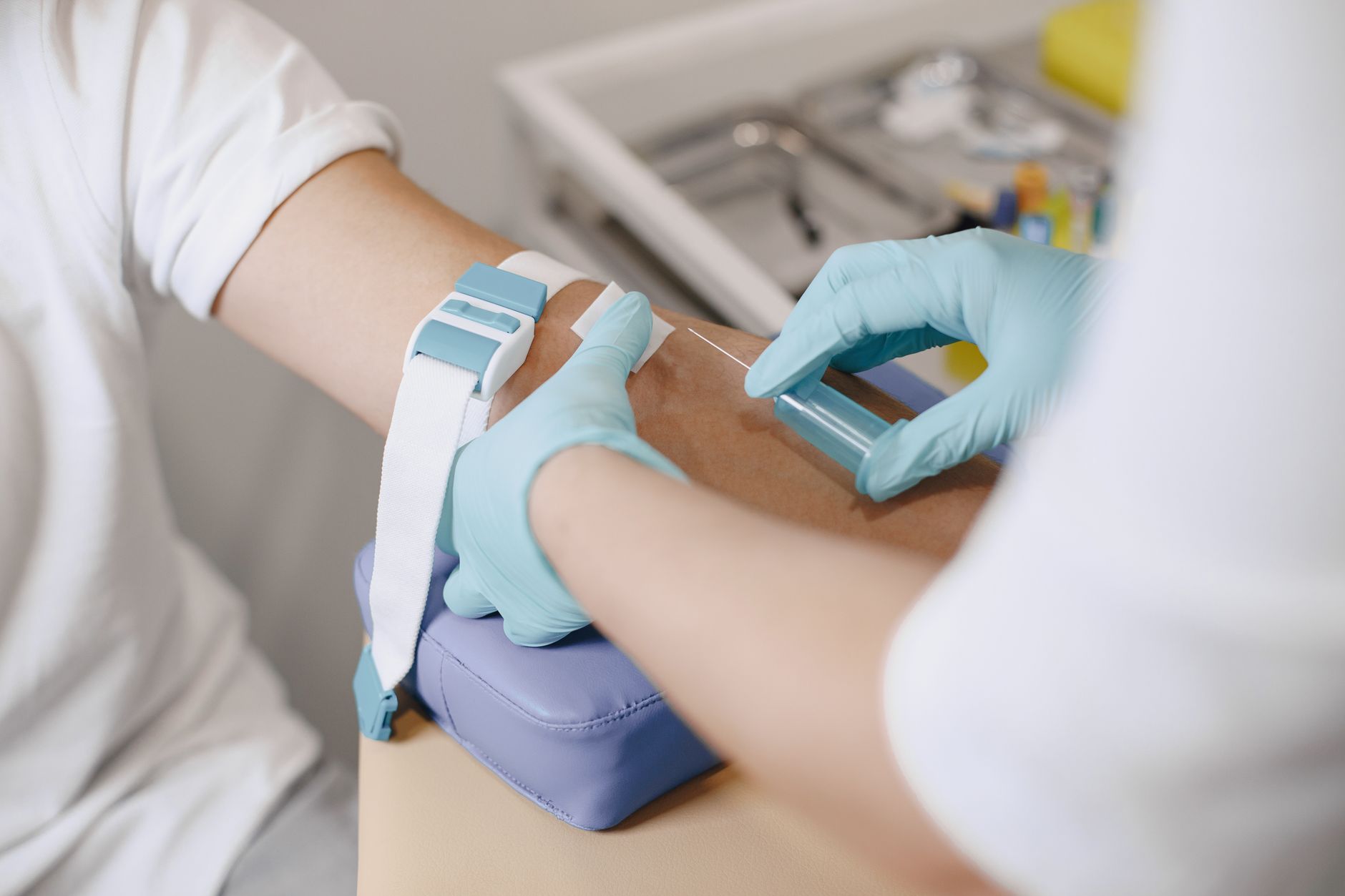
You can’t measure your iron at home without a blood test, but you can spot the signs that make the test worth asking for.
Signs that point to low iron
- Constant fatigue that sleep doesn’t fix, and shortness of breath from stairs that used to be easy.
- Pale or washed-out skin, especially inside your lower eyelids. Pull it down and look; it should be a healthy pink.
- Cold hands and feet when nobody else in the room is cold.
- Brittle nails, thinning hair, or a tongue that looks smoother and paler than usual.
- Cravings for ice or dirt, weird as it sounds, is a known sign of iron deficiency.
What to do about it
- See your doctor and ask for a ferritin test. The eyelid trick is a hint, not a diagnosis.
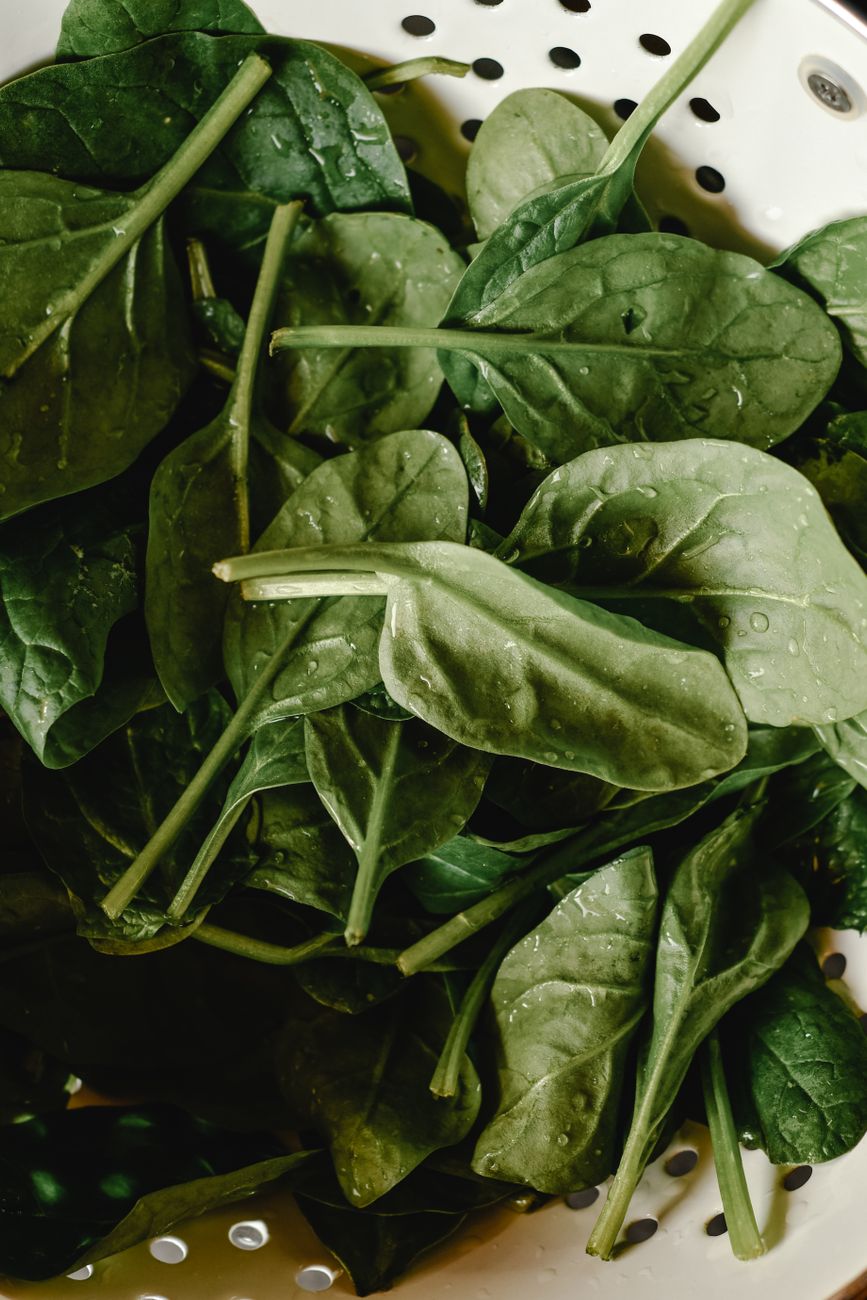
- In the meantime, eat more iron-rich food: red meat, lentils, spinach, beans.
- Pair iron foods with vitamin C, like a squeeze of lemon or a glass of orange juice, which helps your body absorb it.
- Don’t self-supplement large doses. Too much iron is its own problem, and it should be dosed by a doctor.
The tiredness lifted within a couple of weeks of fixing my diet. I just wish I’d connected the dots sooner.
📋 Quick Summary: Low iron shows up as constant fatigue, pale inner eyelids, cold hands, and ice cravings. It’s a hint to ask for a ferritin test, not a home diagnosis. Pair iron-rich food with vitamin C.