The Rule I Use to Decide What’s Worth Buying Used

I bought a used treadmill for 200 dollars. It worked for five months, then the belt needed replacing, and the replacement belt cost more than the machine was worth.
I also bought a used cast iron skillet for 12 dollars that I still use weekly, maybe 15 years later. Same habit, opposite outcomes, and for a long time I could not explain the difference.
The rule
Buy used when the item has no moving parts, or when the moving parts are cheap to replace and easy to inspect.
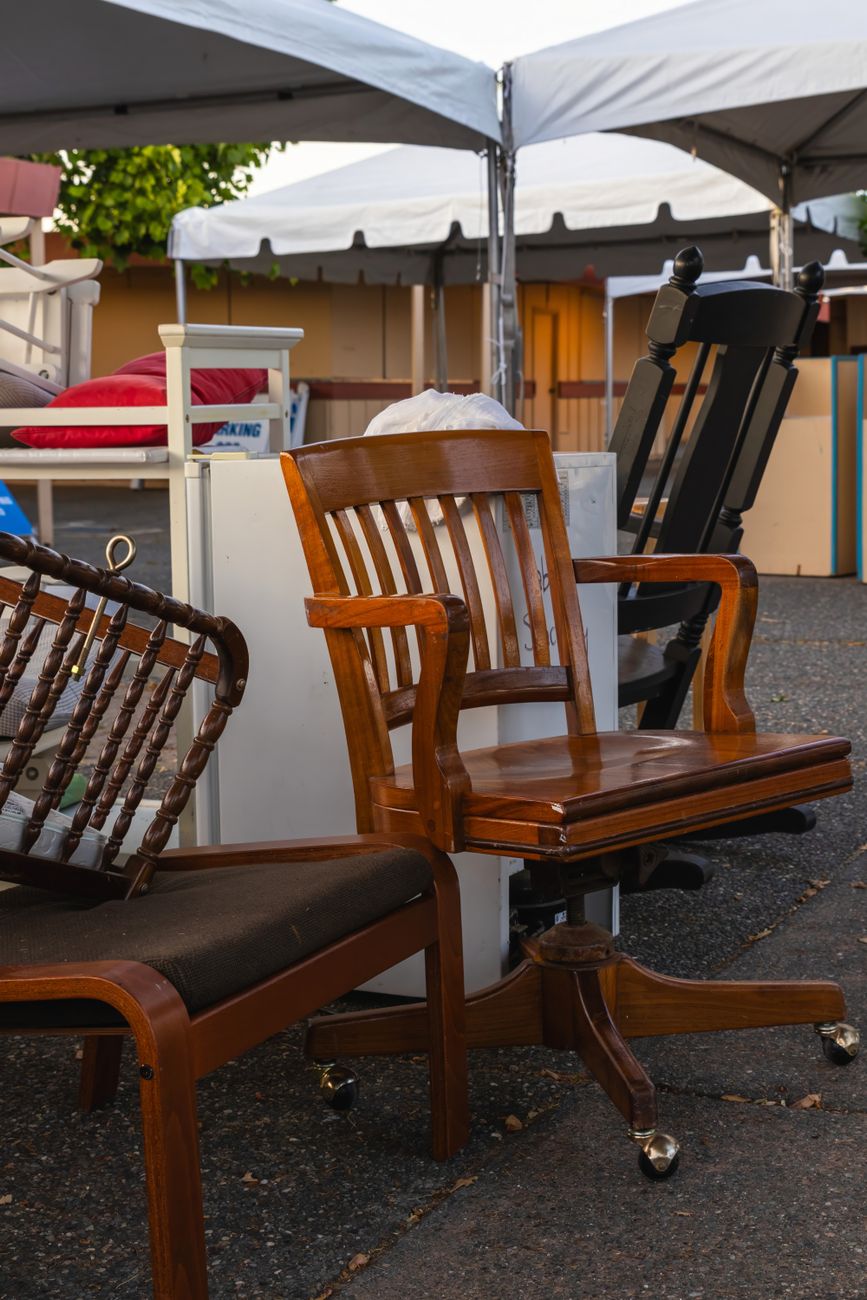
Cast iron, solid wood furniture, hand tools, baking pans, garden equipment, bikes if you know what to check. Those age well because there is nothing to wear out that matters.
Skip used for anything with a motor, a battery, a compressor, or a sealed assembly. You cannot see the wear, and repairs cost most of the price of new.
The math people skip
A used item at 60 percent of new price is not a deal if it has 40 percent of its life left. Divide the price by the years you expect to get.
A 150 dollar used dishwasher that lasts two years costs 75 a year. A 500 dollar new one lasting 12 years costs 42 a year. The used one is worse, and it was 70 percent off.
Three things I check every time
- Ask why they are selling it. Vague answers are a signal. Upgrading, moving, or a duplicate are normal reasons.
- Test it in person, under load. A washing machine that spins empty but shakes with a load is a machine with bad bearings.
- Look up the part price before you pay. If the common failure part costs 40 percent of the item, you are gambling, not saving.
The exception worth making
Buy used from a person, not a reseller, when you can. Resellers price in the risk. An individual selling a table because they are moving usually has no reason to hide anything.
Meet in daylight, bring someone, and pay after you test. That is not paranoia, it is just how this works.
📋 Quick Summary: Buy used when an item has no motor, battery, or sealed assembly to fail. Divide the price by the years you expect to get, and always price the common replacement part before you pay.