How to Actually Wake Up Without Hitting Snooze Four Times
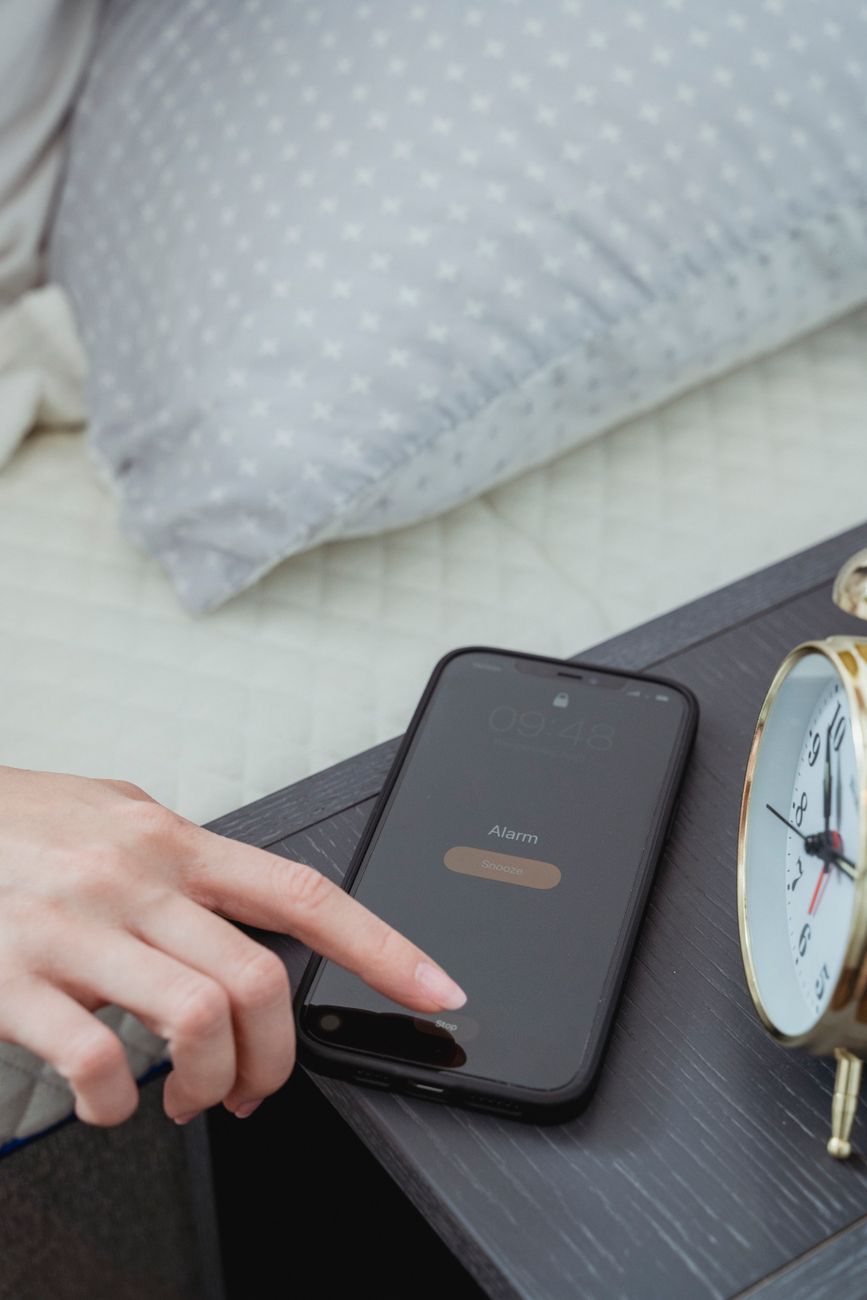
My alarm was set for 6:30. I woke up at 7:12. Every weekday for probably two years. I had a system — not a good system, but a system: first alarm at 6:30, snooze. Second at 6:39, snooze. Third at 6:48, stare at ceiling, snooze. Panic at 7:12, scramble out of bed, skip breakfast.
What finally broke the cycle wasn’t willpower. It was understanding that snoozing is physiologically worse than just setting your alarm later.
Why snoozing is a trap
When you hit snooze and drift back to sleep, your body starts a new sleep cycle. Then nine minutes later the alarm rips you out of it. You’re starting a sleep cycle you can never finish. That groggy feeling has a name — sleep inertia — and it can last for hours.
If you set your alarm for 7:00 and get up, you get one rough wake-up. If you snooze from 6:30 to 7:12, you get four or five rough wake-ups. Same total sleep time, dramatically worse morning.
Put the alarm across the room
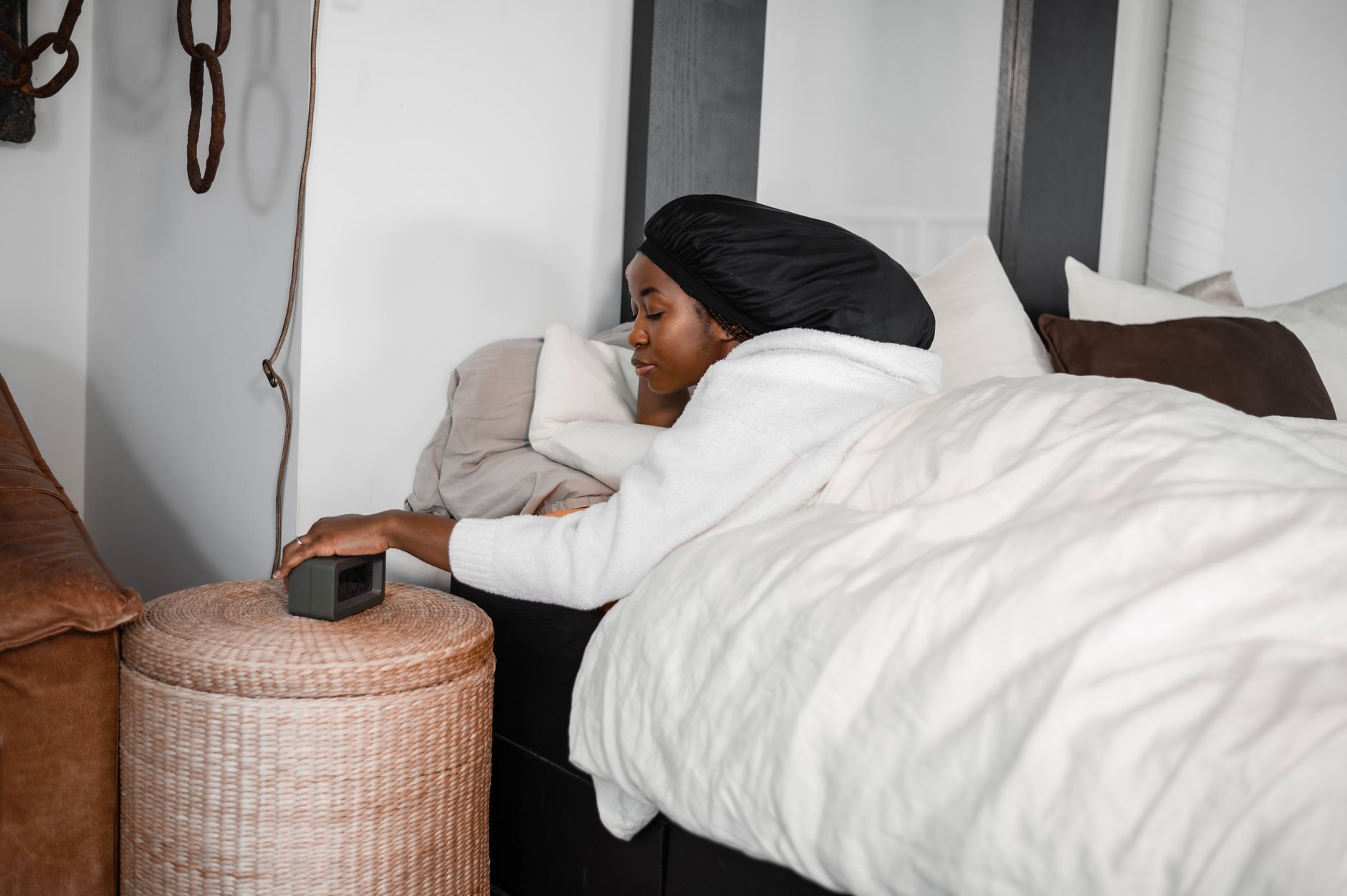
This is the oldest trick and it’s the oldest trick because it works. You cannot snooze what you cannot reach. Put your phone or alarm clock on the other side of the bedroom. By the time you’ve walked over to turn it off, you’re vertical. Half the battle is won.
The downside: your partner or roommate now hates you. Compensate by getting up quickly so it doesn’t blare for thirty seconds. Or use a vibrating alarm under your pillow and a loud one across the room.
Light before sound
A sunrise alarm clock gradually brightens over thirty minutes before your alarm time. Your body responds to light by reducing melatonin production. You wake up naturally before the sound even starts. Even on dark winter mornings, these things work.
No budget for a new gadget? Leave your blinds cracked open. Morning light through the window does the same thing for free. Your brain has been waking up to daylight for most of human history — the alarm clock is the weird newcomer.
The five second rule
When the alarm goes off, count down from five in your head. At one, your feet hit the floor. No negotiation. No “five more minutes.” The countdown interrupts the bargaining part of your brain long enough for the action part to take over. Mel Robbins wrote a whole book about this. The short version: it works more often than it doesn’t.
📋 Quick Summary: Put your alarm across the room. Use a sunrise alarm or crack the blinds. Count down 5-4-3-2-1 and get up. Snoozing starts sleep cycles you can’t finish, making you groggier than just sleeping later with one alarm.