How I Survive Allergy Season Without Going Crazy

The first spring after I moved to a new city, I thought I was coming down with the worst cold of my life. My eyes were watering constantly, my nose was either running or completely blocked, and I was sneezing so much that my coworkers started keeping a distance. After two weeks of “cold” symptoms, my doctor looked at me with a mixture of pity and amusement and said, “Welcome to allergy season. You have moved to one of the worst pollen cities in the country.”
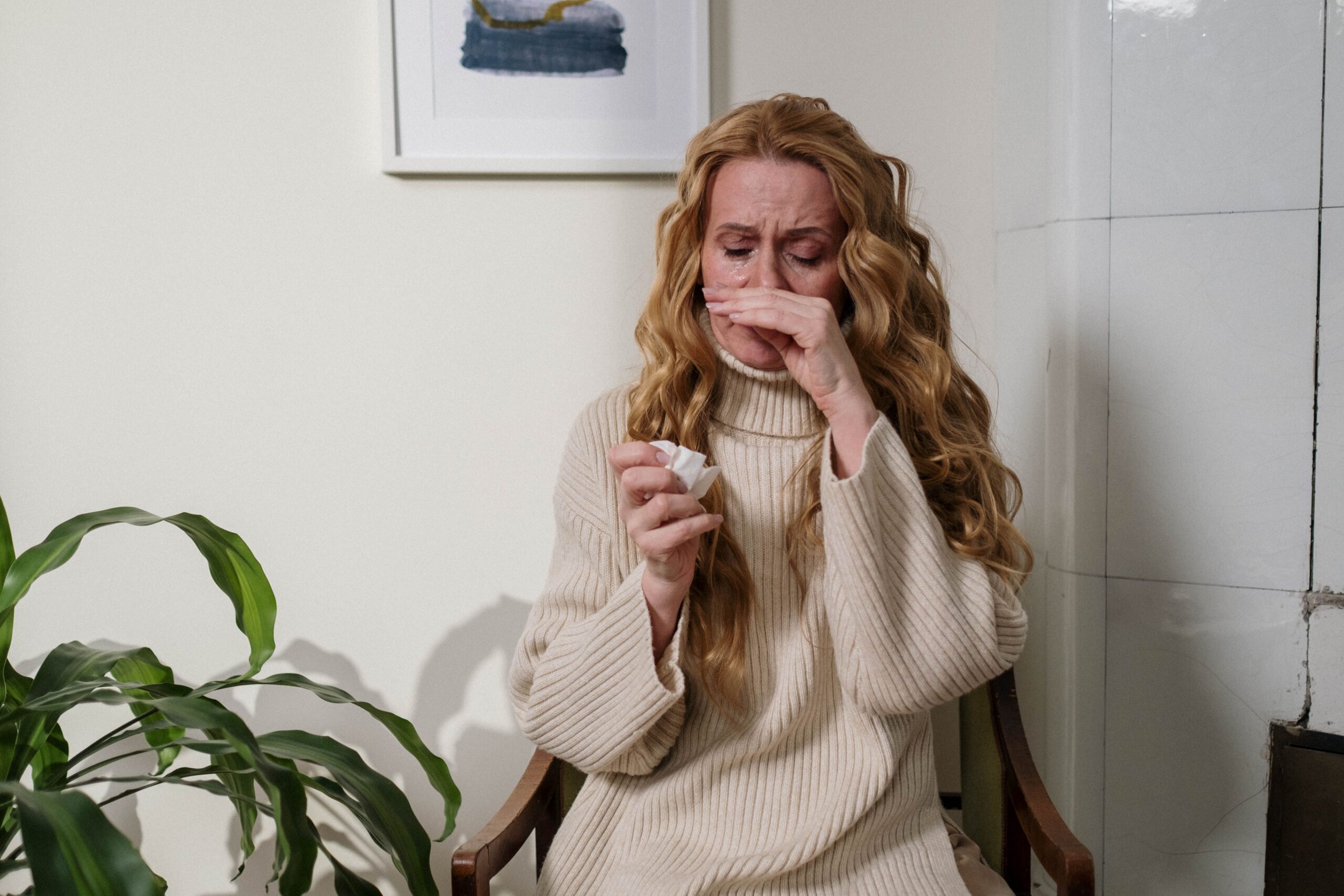
That was the beginning of a long journey to figure out how to live through allergy season without spending three months feeling miserable. I have tried just about everything — prescription medications, over-the-counter pills, neti pots, even acupuncture. What I have settled on is a combination of approaches that, together, make a real difference.
The single biggest change I made was creating what I call my “allergy-free bedroom.” I realized that I was spending eight hours every night breathing in pollen that had settled on my pillows, my comforter, and in the air. Now I shower before bed every single night during allergy season, no exceptions. I wash the pollen out of my hair and off my skin so I am not sleeping in it. I also change my pillowcase every other day during peak pollen weeks. It sounds excessive, but the difference in how I feel when I wake up is noticeable. A HEPA air purifier runs in my bedroom from March through June, and I have put dust-mite-proof covers on my mattress and pillows.
The second thing I learned is that timing matters enormously. Pollen counts are highest between 5 AM and 10 AM, so I keep my windows closed during those hours. I used to love sleeping with the windows open in spring, but I was basically inviting the enemy into my bedroom. I check the pollen count on my weather app every morning, and on high-pollen days, I stay inside as much as possible. If I do go out, I change my clothes as soon as I get home and throw the outdoor clothes directly into the hamper instead of draping them over a chair where pollen can spread.
The neti pot was something I resisted for years because it looked uncomfortable and a little gross. My wife finally bought me one and basically dared me to try it. I have to admit, it works. Using distilled water with a saline packet, I rinse my sinuses every evening during peak allergy season. It clears out the pollen that has accumulated all day and reduces the inflammation that keeps me up at night. It is not the most pleasant sensation in the world, but it is far better than the alternative of waking up at 3 AM unable to breathe.
Diet-wise, I noticed that certain foods seemed to make my symptoms worse. After some research and experimentation, I found that dairy products increase mucus production for me, so I cut way back on milk and cheese during allergy season. I also started eating more foods with natural antihistamine properties — local honey (the theory is that it contains small amounts of local pollen that help your body build tolerance), foods high in vitamin C, and spicy foods that help clear my sinuses temporarily.
I do take medication, but I have learned that starting it before symptoms kick in is the key. I used to wait until I was already suffering, and then the medicine was playing catch-up. Now I start my daily antihistamine two weeks before allergy season typically begins in my area. By the time the pollen arrives, the medication is already in my system and working preventively. This alone has made a bigger difference than any other single change.
Allergy season still is not fun, but I no longer dread it. These strategies have turned three months of misery into a manageable inconvenience.
📋 Quick Summary
- I do take medication, but I have learned that starting it before symptoms kick in is the key.
- The second thing I learned is that timing matters enormously.
- I have to admit, it works.
- After some research and experimentation, I found that dairy products increase mucus production for me, so I cut way back on milk and cheese during allergy season.