Fridge Zones That Actually Prevent Food From Rotting
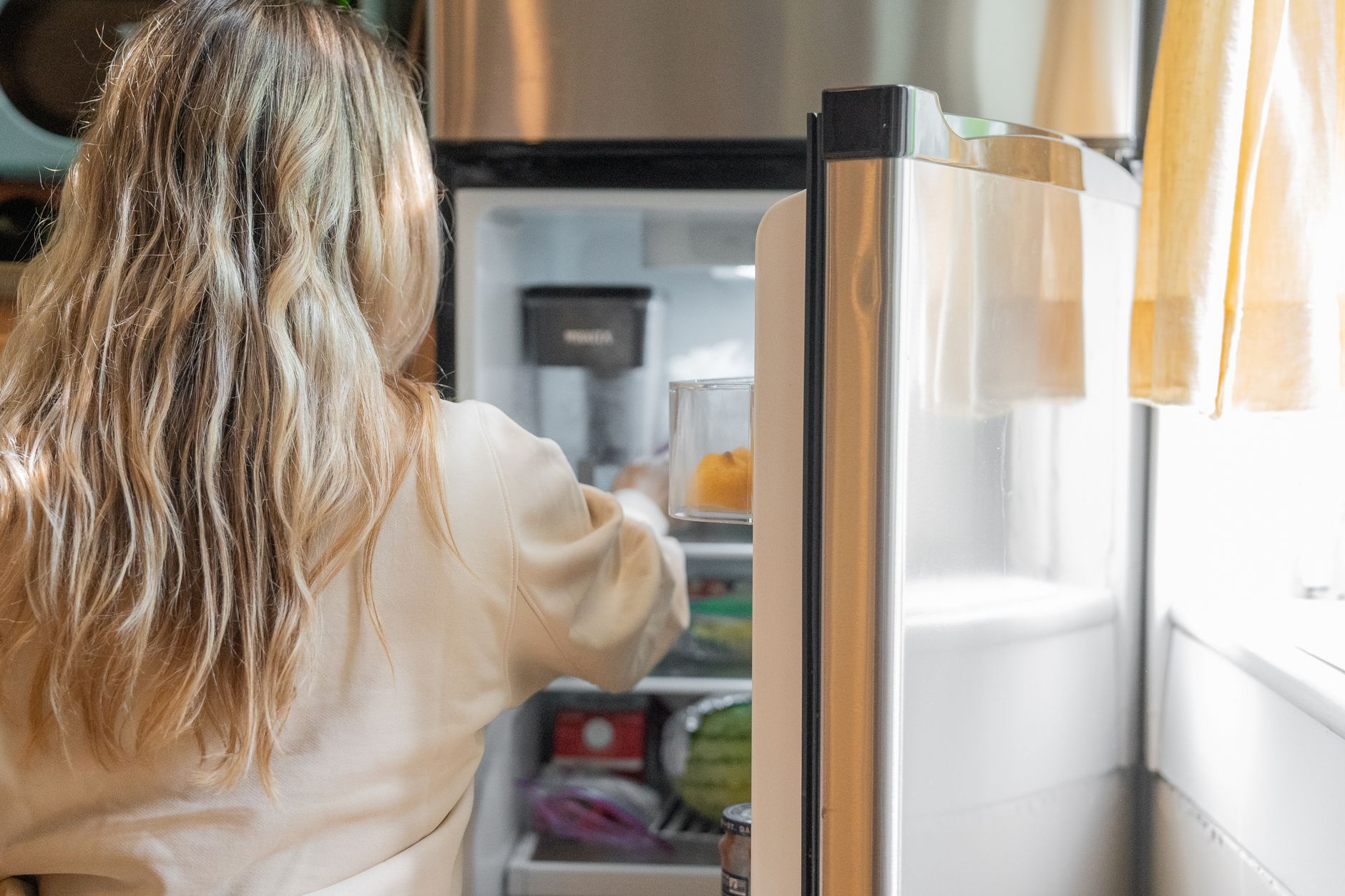
I threw out a full bag of slimy spinach three weeks ago. Then a container of forgotten leftovers yesterday. I was basically running a compost operation in my refrigerator.
The problem was not that I bought too much food. It was that I was putting things wherever they fit instead of where they would last. Refrigerators are not just cold boxes — different zones have different temperatures and humidity levels. Once I reorganized around those zones, my food waste dropped to almost nothing.
The Zone Map
Top Shelves: Ready-to-Eat
The top shelves are the most consistent temperature in the fridge. Put leftovers, drinks, yogurt, and anything you grab frequently here. Do not put raw meat on the top shelf — if it drips, it contaminates everything below.
Middle Shelves: Dairy and Eggs
Despite what the egg-shaped indent in your fridge door suggests, do not store eggs in the door. The door is the warmest part of the fridge because it opens constantly. Keep eggs on a middle shelf where the temperature stays stable. Milk, cheese, and yogurt go here too.
Bottom Shelf: Raw Meat
This is the coldest spot in the fridge. Raw meat, poultry, and fish live here — and ideally in a tray or container to catch any drips. Nothing below raw meat except the crisper drawers.
Crisper Drawers: Produce
Your crisper drawers control humidity. Most fridges let you adjust them. The rule: high humidity for vegetables (they wilt without moisture), low humidity for fruits (they emit ethylene gas that speeds ripening). Keep fruits and vegetables in separate drawers if you have two.
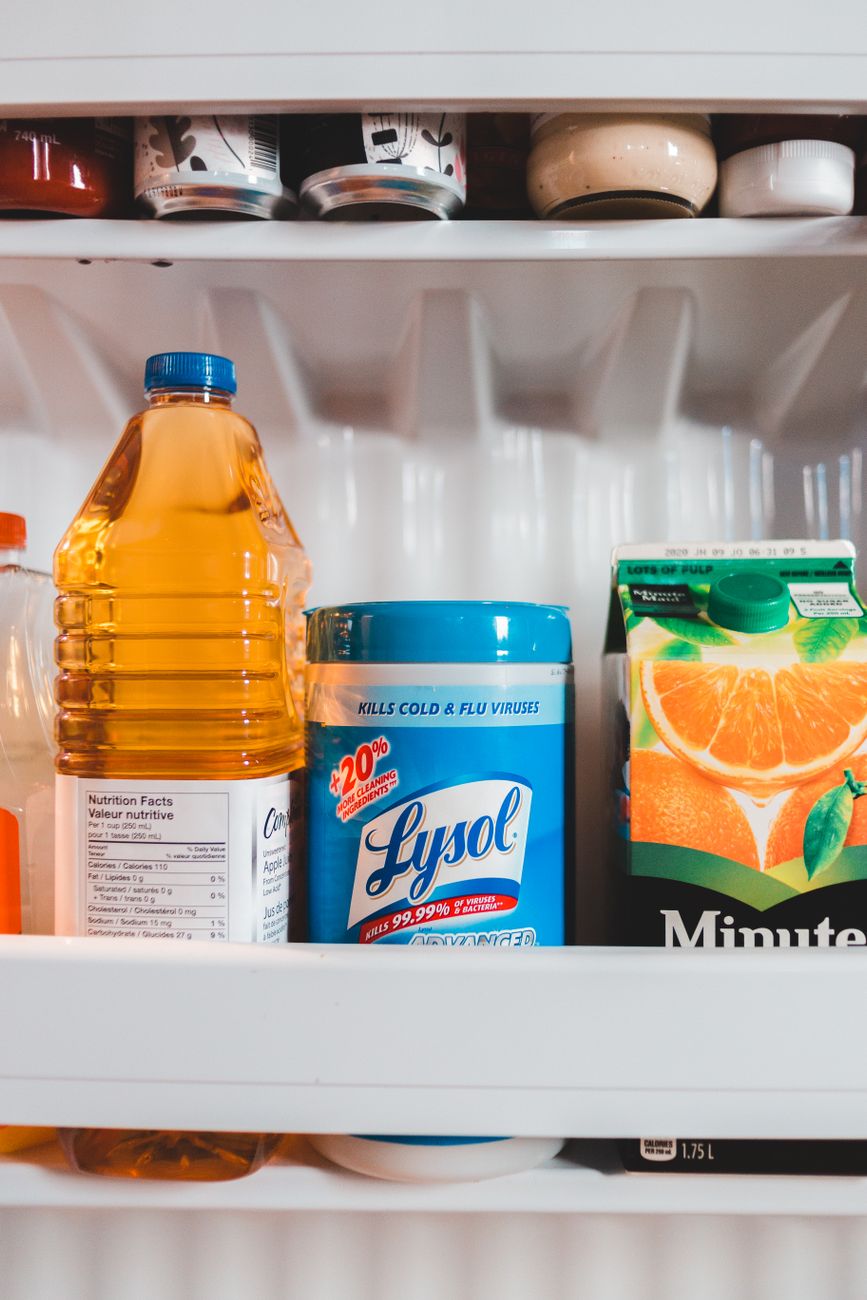
Door: Condiments Only
The door shelves are for things that do not spoil easily: ketchup, mustard, pickles, hot sauce, jam, butter. High-acid and high-sugar condiments are naturally preserved. Milk in the door? It will go bad days faster than milk on a shelf.
The One Container That Changed Everything
I bought clear bins — the kind you can see through instantly — and grouped items: one bin for cheese, one for yogurt cups, one for small jars. Now when I open the fridge, I pull out a bin instead of rummaging behind six things. Nothing gets lost in the back anymore. Nothing.
I have not found a mystery container of fuzzy leftovers in over a month. That is a personal record.
📋 Quick Summary: Top shelves for ready-to-eat, middle for dairy and eggs, bottom (coldest) for raw meat, crispers for produce (separate fruit from vegetables), door for condiments only. Clear bins prevent lost food.