Flashlights Every Home Should Have for Emergencies
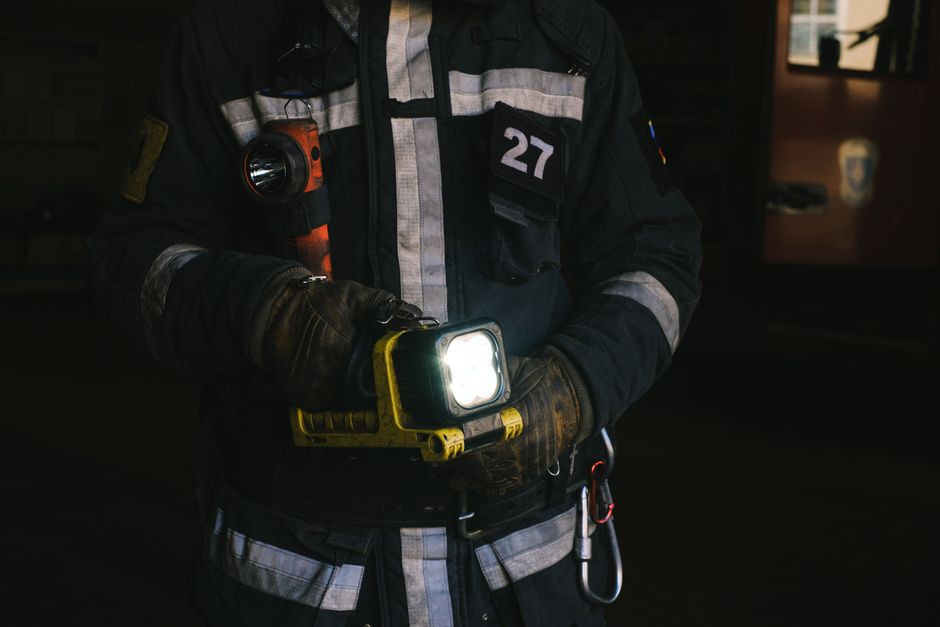
The power went out during a thunderstorm last fall and I discovered that every flashlight in my house had dead batteries. Every single one. I navigated my own living room by phone screen, which has about the same illumination as a birthday candle.
After that, I did actual research on flashlights. Not the $5 checkout-aisle kind that break after two drops. Real ones.
Why Alkaline Batteries Are a Liability
Alkaline batteries leak. It is not a question of if but when. A flashlight that sits for a year with alkalines inside can be permanently ruined by corrosion when you actually need it. I have lost two Maglites this way.
The solution is not lithium AA batteries — though those are better — it is flashlights that use standard rechargeable lithium-ion cells (18650 or 21700) that you can check and recharge quarterly. Or, for a light that sits untouched for emergencies, lithium primary (non-rechargeable) AA batteries that have a 10-year shelf life and do not leak.
What to Buy
- The grab-and-go light ($25-35): Wurkkos FC11 or Sofirn SC31 Pro. USB-C rechargeable, simple interface, bright enough for any indoor or backyard use. Keep one in a kitchen drawer where you can find it in the dark.
- The headlamp ($20-30): Sofirn HS10 or similar. When the power is out and you are looking for the circuit breaker, both hands free matters. It matters a lot.
- The always-works light ($15-20): A simple AA-powered light like the Lumintop Tool AA. Load it with Energizer Ultimate Lithium batteries (the blue and silver ones). It will work every time you pick it up, even after sitting for three years.
One good flashlight per floor of the house plus one headlamp is enough. Anything beyond that is collecting, not preparing.
📋 Quick Summary: Get one USB-C rechargeable flashlight per floor ($25-35), one headlamp, and one AA light with lithium batteries — skip alkaline cells that leak over time.