Extension Ladders That Do Not Feel Like Death Traps — What Actually Matters for Safety
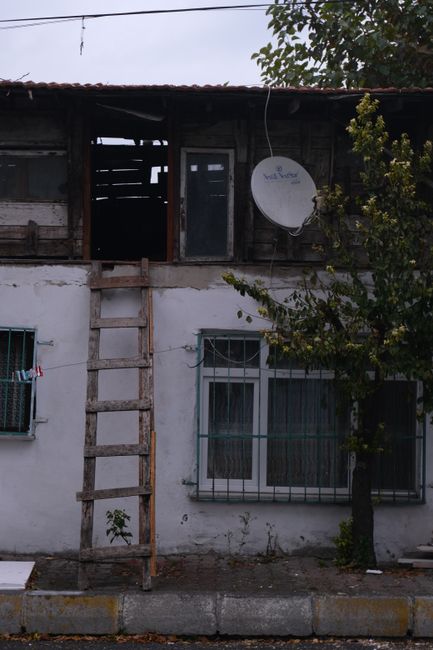
I needed to clean gutters on a two-story house. My neighbor offered his old aluminum extension ladder — the kind that flexes in the middle when you climb past the second story. I got about 12 feet up, felt the bounce, and climbed right back down with my heart pounding. Bought my own ladder the next day.
Extension ladders are not all the same. The difference between one that feels stable and one that feels like it might fold under you comes down to a few specific features. Here is what to look for.
Material: Fiberglass Over Aluminum
Aluminum ladders are lighter and cheaper. That is the end of their advantages. They flex under load — the bounce gets worse the higher you climb. They conduct electricity — if you touch a power line, you are the path to ground. And they transfer vibration from every footstep straight up to your hands.
Fiberglass ladders are heavier, stiffer, and non-conductive. The extra weight — usually 5-10 pounds more than an equivalent aluminum — makes them harder to carry but much more stable when set up. They do not flex. They do not bounce. They feel solid. For anything above 16 feet, fiberglass is the only choice I would make.
Weight Rating: Go One Level Higher Than You Need
Ladder weight ratings:
- Type III: 200 lbs — light duty. For painting bedrooms, not for outdoor work with tools.
- Type II: 225 lbs — medium duty. Okay for most homeowners but do not carry anything heavy up.
- Type I: 250 lbs — heavy duty. This is the minimum I recommend for extension ladders.
- Type IA: 300 lbs — extra heavy duty. The sweet spot for stability.
The rating is for total load — your body weight plus tools and materials. If you weigh 180 and carry a 20-pound tool belt, you are at 200. A Type II ladder is already near its limit. Buy Type I or IA and you will never think about weight limits again.
The Stabilizer Bar — Non-Negotiable
Most extension ladders come with two narrow rubber feet at the top that rest against the house. These concentrate the ladder’s weight on two small points — fine on flat siding, terrible on gutters (which they can crush) and windows (which they can break).
A ladder stabilizer (standoff) is a U-shaped bar that attaches to the top of the ladder and spreads the contact points three to four feet apart. It distributes weight across a much wider area, keeps the ladder off gutters entirely, and dramatically reduces side-to-side wobble. They cost $30-50 and are worth every cent.
My Pick: Werner D6228-2 (Type IA, 28 ft, Fiberglass)
I bought the Werner D6228-2 two years ago. 28 feet, Type IA rated to 300 pounds, fiberglass rails. It weighs about 60 pounds — heavy, but manageable with two people or one person who knows how to carry a ladder properly. The rungs are D-shaped with serrated tread for grip. The pulley system for extending it is smooth and locks securely.
Paired with a Werner AC78 stabilizer ($35), this setup has let me clean gutters, trim tree branches, and hang Christmas lights without once feeling unsafe. At around $280 for the ladder plus stabilizer, it is not cheap — but it is cheaper than an ER visit.
📋 Quick Summary: Choose fiberglass over aluminum for stability and electrical safety. Buy Type I (250 lbs) or IA (300 lbs) rating for real-world use with tools. Always add a stabilizer bar ($30-50) to prevent gutter damage and reduce wobble. Werner D6228-2 is a solid homeowner pick at ~$280 with stabilizer.