How to Remove Stubborn Wall Anchors Without Damaging the Wall
There were twelve plastic wall anchors in my rented apartment from the previous tenant. Twelve little plastic plugs embedded in the drywall, left behind when they took their shelves and curtain rods with them. I tried pulling one out with pliers. The anchor tore a quarter-sized chunk of drywall out with it. Eleven anchors to go and I already had a hole to patch.
Wall anchors are designed to expand behind the drywall and resist pulling out — that is the whole point. Getting them out without destroying the wall requires a different approach.
Method One: Pull Through (For Expanding Anchors)
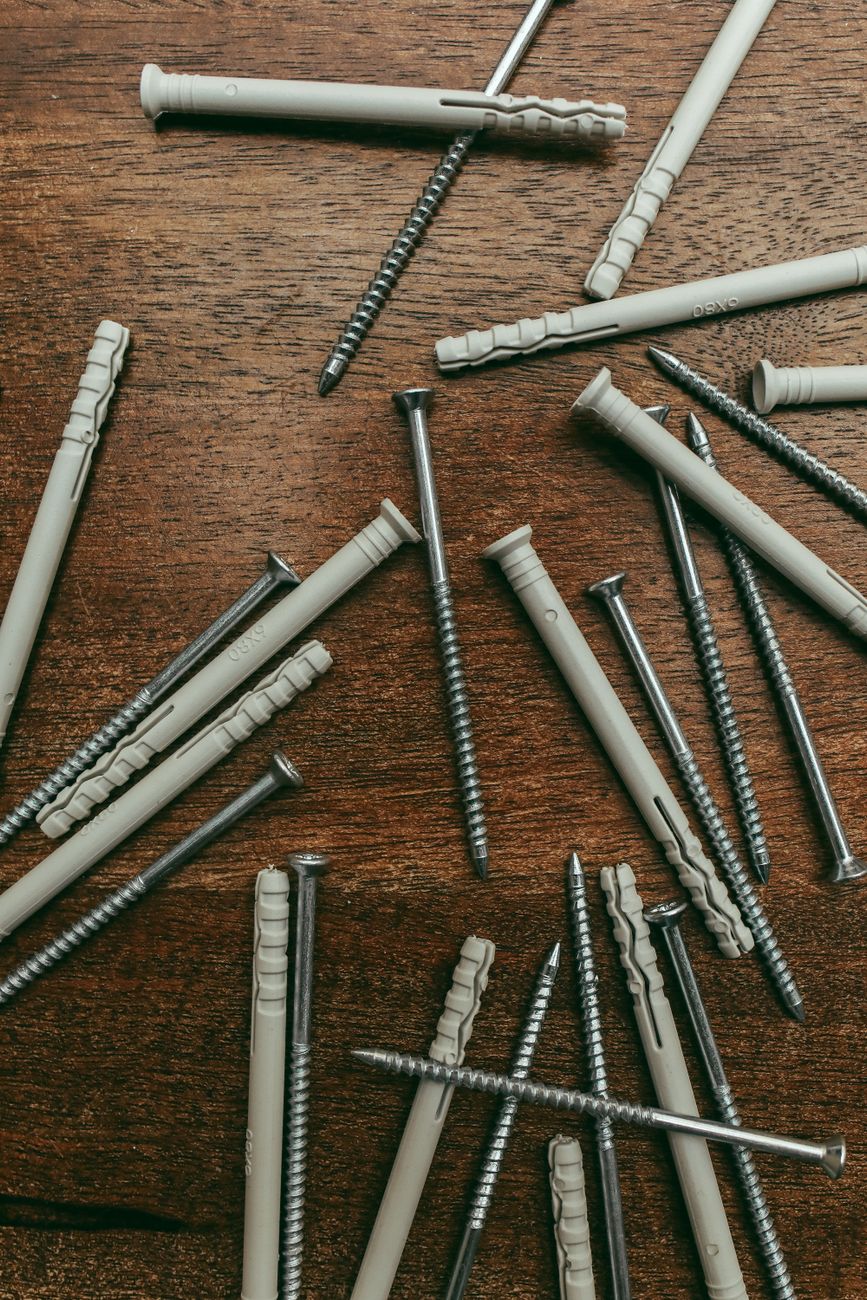
Get a screw that fits the anchor — usually the same one that was in it. Thread it in about halfway, just enough for the screw to grip. Do not thread it all the way in or you re-expand the anchor. Then use the claw of a hammer with a thin piece of wood or a putty knife under the hammer head to protect the wall. Pull the screw and the anchor should slide out as one piece.
The wood or putty knife spreads the force across a wider area so the hammer head does not dent your drywall. This is the step I skipped that caused my first crater.
Method Two: Push Through (For Toggle Bolts and Stubborn Anchors)
Some anchors will not pull out cleanly no matter what. For these, the better move is to push them through into the wall cavity where they fall harmlessly inside and you never think about them again. Use a screwdriver or a nail punch that is slightly smaller than the anchor hole. Tap it through with a hammer. The anchor pops into the empty space behind the drywall and you are left with a clean round hole that is easy to patch.
This is the method I use for nine out of ten anchors now. It is faster, cleaner, and leaves a perfect circle to fill rather than a torn mess.
Method Three: Drill It Out (Last Resort)
For metal anchors or anchors that refuse to budge, use a drill bit slightly larger than the anchor hole. Drill straight through the center of the anchor. This essentially destroys it in place. The bits will fall into the wall cavity or you can vacuum them out of the hole. Patch as normal afterward.
Patching the Hole
Small anchor holes — a quarter inch or less — fill with spackle. Press it in with a putty knife, scrape it flat, let it dry, sand smooth, and paint. For larger holes, use a mesh patch or the California patch method. The key to invisible patches is feathering — sand the edges of the dried spackle with fine-grit sandpaper until the transition from patch to wall is seamless. Run your finger across it. If you can feel the ridge, keep sanding.
All twelve anchors in my apartment are gone now. It took about an hour total, most of that spent patching and waiting for spackle to dry. The landlord never knew they were there.
📋 Quick Summary: Pull with a half-threaded screw and a protected hammer claw, or push anchors through into the wall cavity. Patch with spackle, sand until seamless.