Extend WiFi to Your Backyard Without a Second Router
I wanted to work from my backyard last summer. The WiFi signal, however, had other plans. Two bars if I sat right next to the house. Zero bars anywhere near the patio furniture. I spent a weekend researching solutions that did not involve running Ethernet cable through my walls or buying a whole mesh system.
You have more options than you think. Most of them are cheaper and simpler than a second router.
Move Your Existing Router First
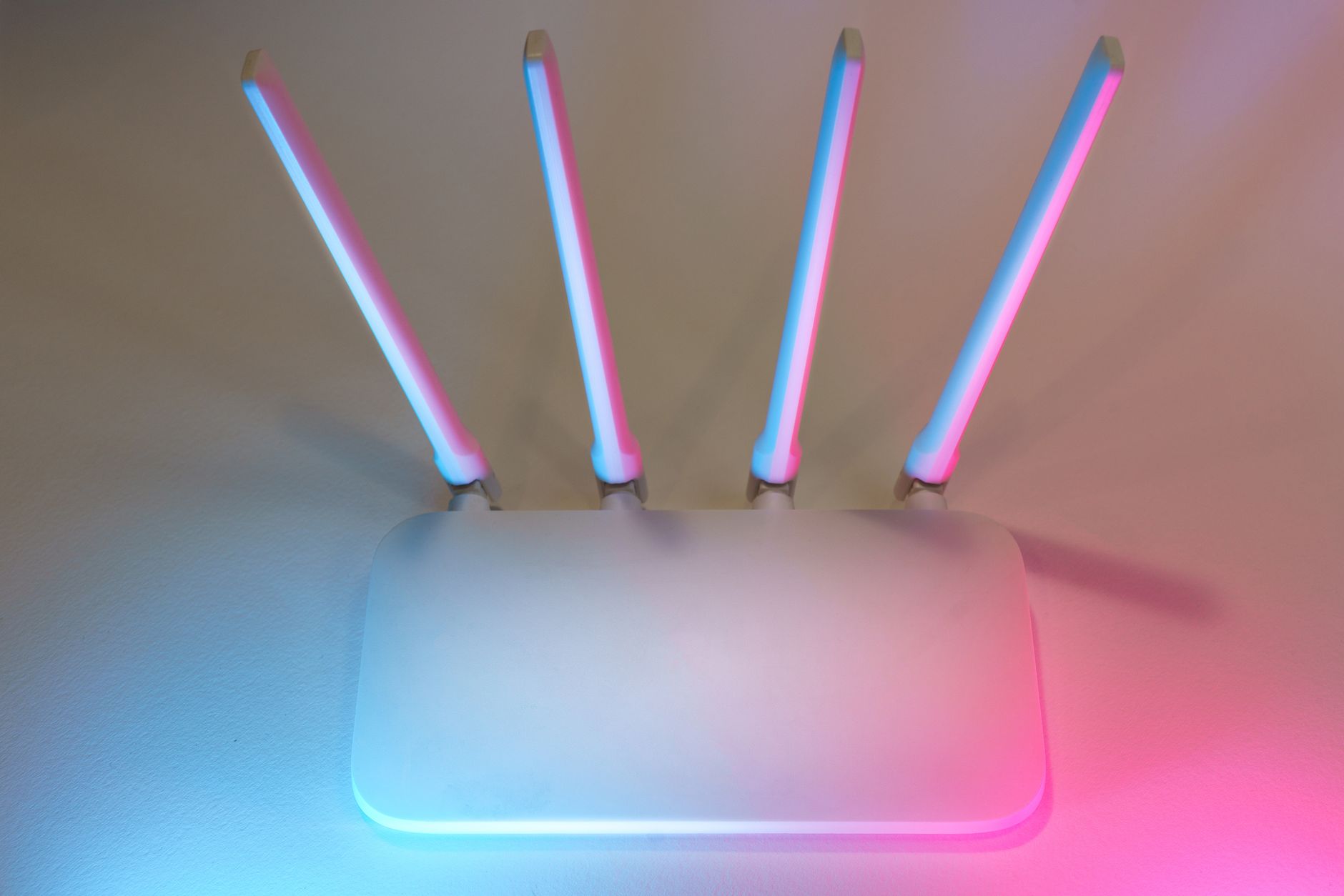
Before buying anything, try relocating your router. Higher is always better — on a shelf, not on the floor. Closer to a window facing the backyard. Away from large metal objects (fridge, filing cabinet, mirror) and away from the microwave, which operates on the same 2.4 GHz frequency.
This costs zero dollars and often makes a noticeable difference. I moved mine from behind the TV to a bookshelf and gained a full bar in the kitchen, which is halfway to the backyard.
WiFi Extender vs Mesh Node
A WiFi extender costs twenty to forty dollars. You plug it into an outlet about halfway between your router and your dead zone, press the WPS button, and it repeats the signal. The downside: it creates a separate network name and cuts your speed roughly in half because it uses the same radio to talk to both the router and your device.
A single mesh node from the same brand as your router (if supported) works better — it creates one seamless network with no speed penalty. Costs about sixty to a hundred dollars per node. If you have a newer router that supports mesh, add one node near the back wall.
The Powerline Option
Powerline adapters send internet through your electrical wiring. Plug one adapter into an outlet near your router and connect it via Ethernet. Plug the second adapter into an outlet near the back of the house — ideally one with a built-in WiFi access point. This works surprisingly well in houses where the electrical wiring is not ancient. About forty to sixty dollars for a kit.
Outdoor Access Point
If you want permanent, excellent backyard WiFi, an outdoor access point mounted on the exterior wall is the real solution. These are weatherproof and designed for exactly this use. You run one Ethernet cable through the wall (or through a window gap with a flat cable) and mount the AP under the eaves. About sixty to a hundred dollars. More work to install but the result is commercial-quality coverage.
📋 Quick Summary: Move your router higher and closer to a window facing the yard first — it is free. A WiFi extender is the cheapest hardware fix at 0-40. A mesh node from the same brand as your router is better. For a permanent fix, an outdoor access point under the eaves gives the best coverage.