Brew Coffee at Home That Beats the Coffee Shop
I spent six dollars a day on coffee. Not a latte — just a regular drip coffee with a splash of oat milk. Six dollars. Multiply by five days a week, forty-eight working weeks a year, and I was spending over fourteen hundred dollars annually on something I could make in my kitchen for about thirty cents a cup. The math embarrassed me into action.
The gear that actually matters — ranked
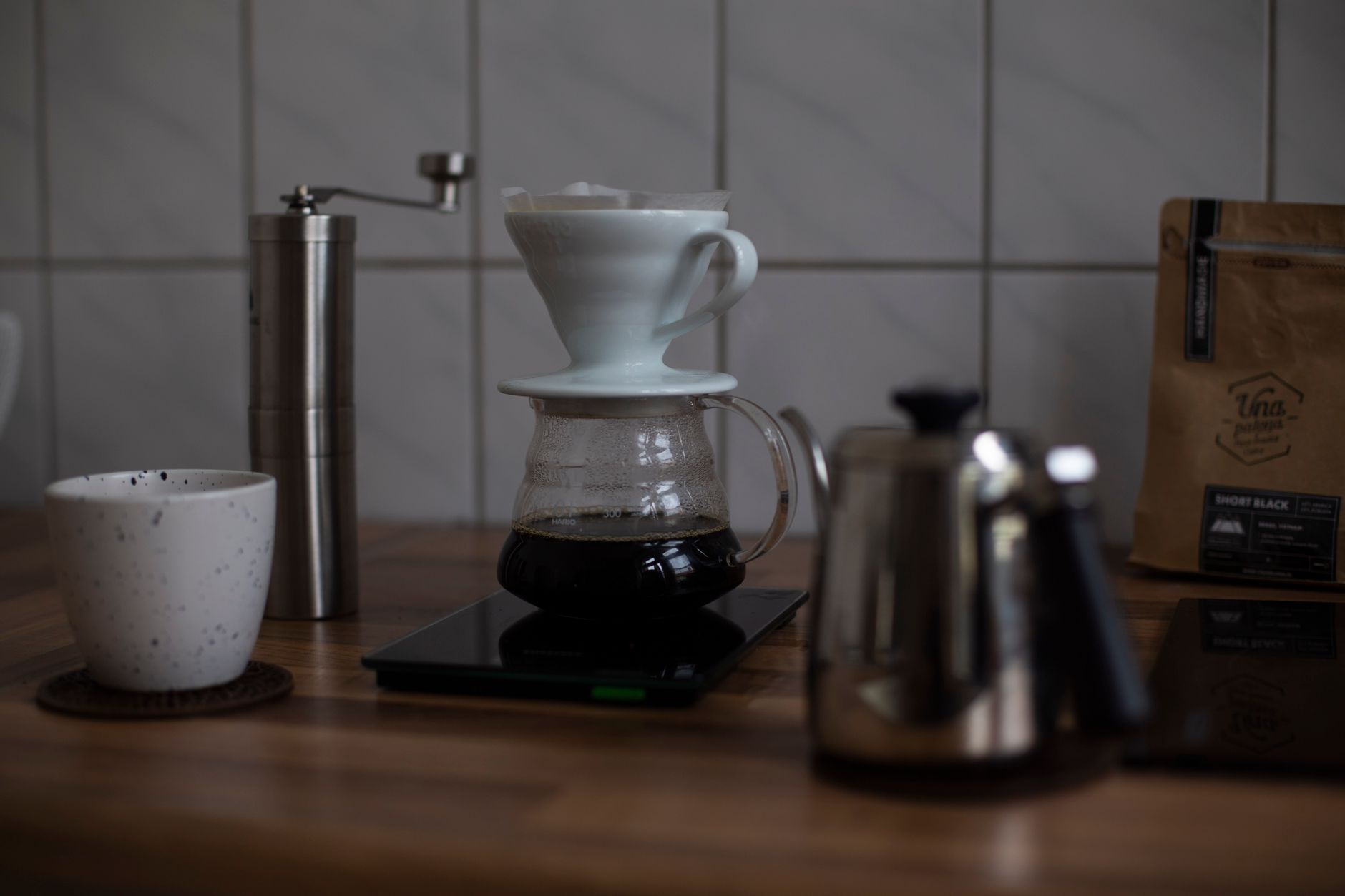
- A burr grinder. This is the single biggest upgrade you can make. Blade grinders — the kind that look like a blender — chop beans into uneven fragments. Some are powder, some are pebbles. The powder over-extracts and turns bitter. The pebbles under-extract and taste sour. A burr grinder crushes beans between two abrasive surfaces, producing uniform particles. Even a forty-dollar hand burr grinder outperforms a hundred-dollar blade grinder.
- A kitchen scale. Coffee is a ratio: roughly one gram of coffee to sixteen grams of water. Measuring by volume — scoops — is inconsistent because beans have different densities. A fifteen-dollar digital scale fixes this. Weigh your beans, weigh your water. Every cup tastes the same.
- Fresh beans. Coffee peaks in flavor between three days and two weeks after roasting. The bag of beans on the supermarket shelf that says “best by 2028”? Already stale. Buy from a local roaster or a subscription service that ships within days of roasting. It costs more per bag but less per cup than the coffee shop.
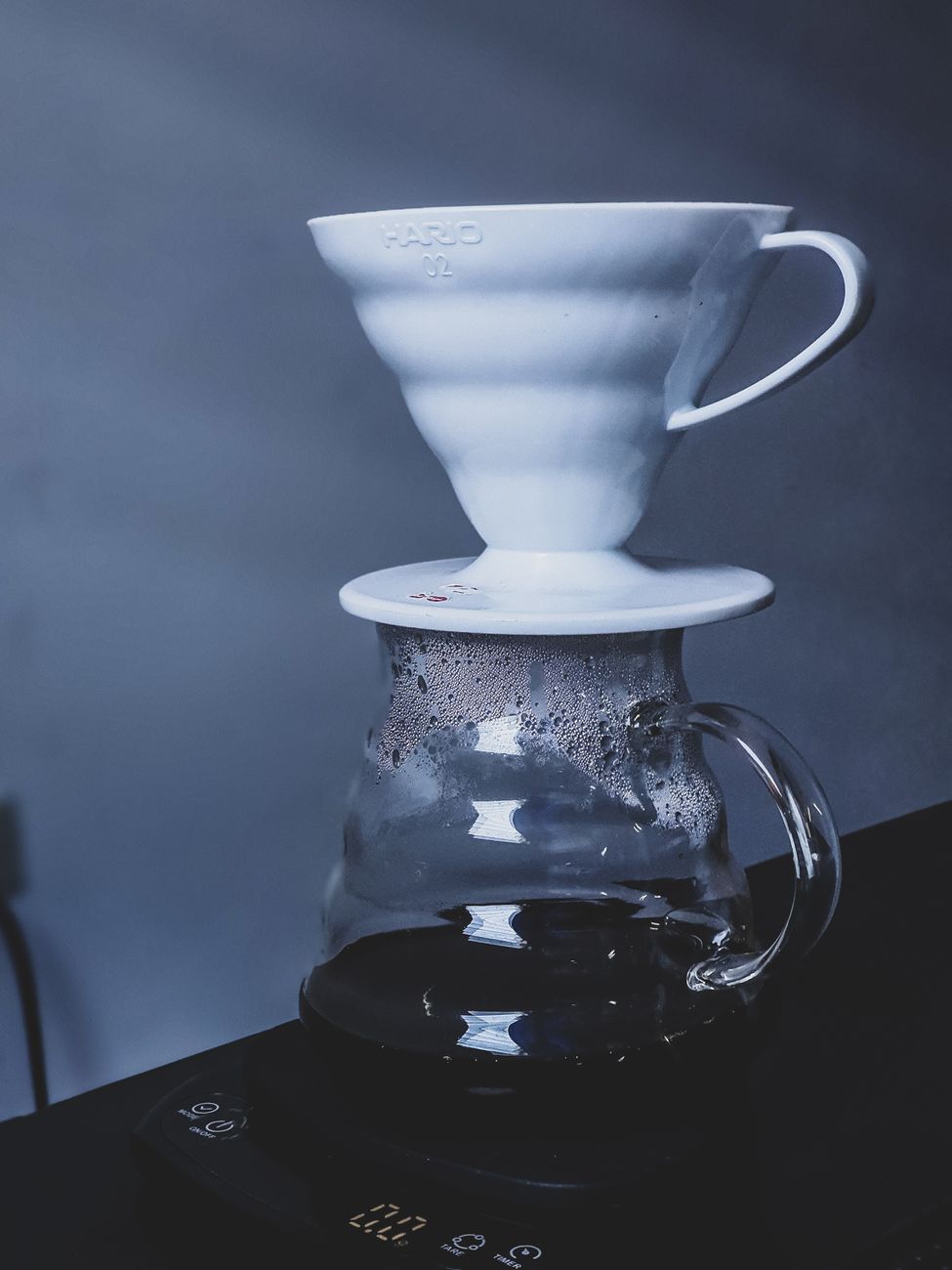
- A brewing method. A pour-over cone — Melitta, Hario V60, Chemex — costs ten to forty dollars and makes one excellent cup at a time. A French press is fifteen dollars and makes a richer, fuller-bodied cup. An AeroPress is thirty dollars and makes the most forgiving cup — hard to mess up. Any of these beats a drip machine under a hundred dollars.
The technique that changed my mornings
Bloom the grounds. Before you pour all the water in, add just enough hot water to wet the grounds — about twice the weight of the coffee. Let it sit for thirty seconds. The coffee will bubble and puff up as trapped carbon dioxide escapes. This “bloom” lets the water extract evenly instead of fighting against gas. It sounds fussy. It takes thirty seconds and the difference in taste is real.
What you do not need
A fifteen-hundred-dollar espresso machine. A gooseneck kettle (nice, not necessary). A refractometer (professional tool, not home use). Third-wave water chemistry. Special stirring paddles. Most of this is hobby territory, not morning coffee territory. The burr grinder, a scale, fresh beans, and a pour-over cone get you ninety-five percent of the way there.
I still buy coffee from a shop sometimes — when I am traveling, when I want to sit somewhere that is not my kitchen. But my daily cup costs thirty cents and tastes as good as the six-dollar version. The burr grinder paid for itself in two weeks.
Quick Summary: Burr grinder, kitchen scale, fresh beans within two weeks of roast date. Bloom grounds for thirty seconds before brewing. Total cost: about thirty cents per cup that rivals any coffee shop.