Reduce Dust Mites in Your Bedroom Without Chemicals
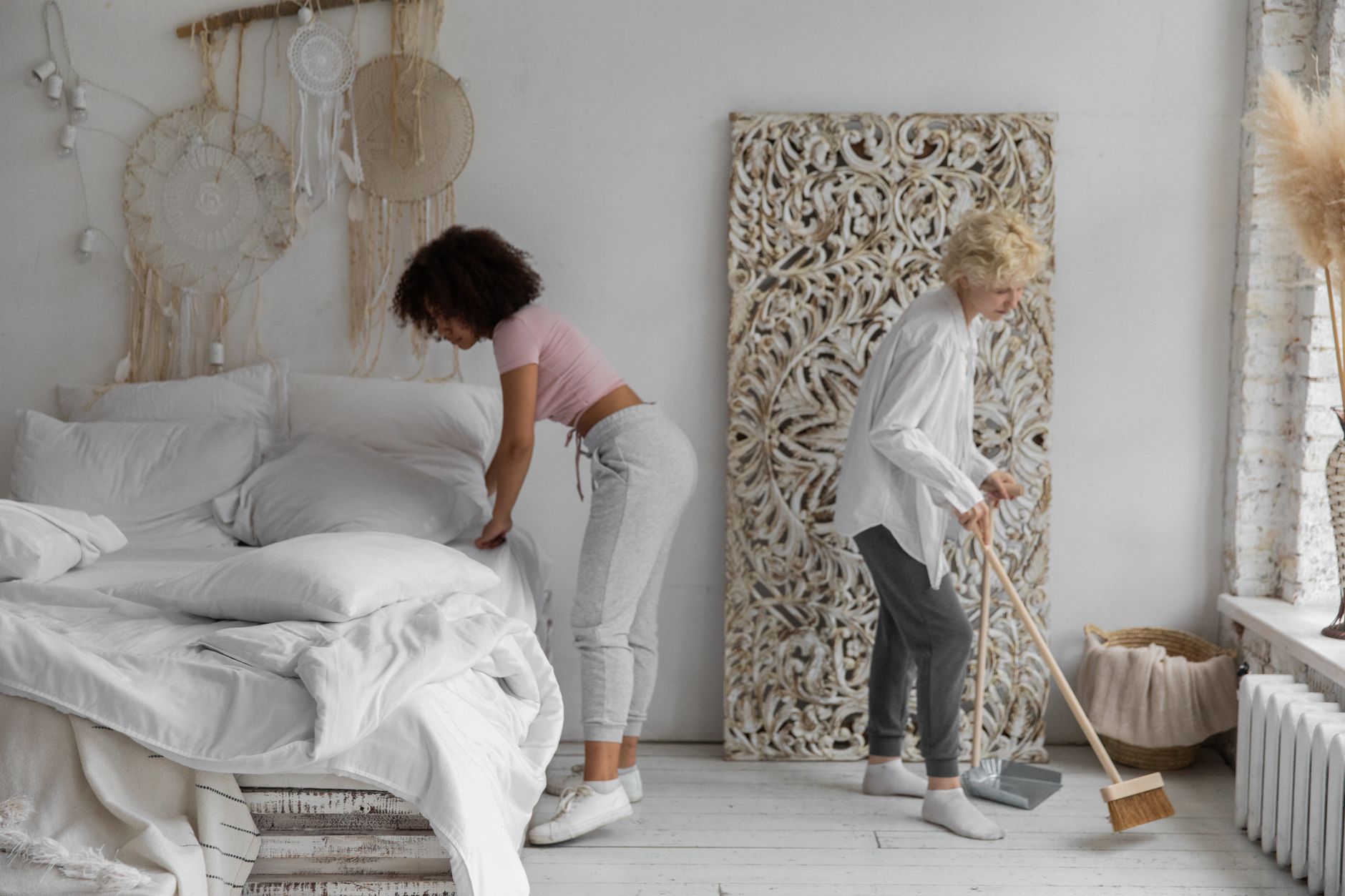
I woke up with a stuffy nose every morning for two months before I figured out it was not a cold. It was dust mites. Microscopic little creatures living in my pillow, eating my dead skin cells, and — this is the gross part — their waste particles were what I was actually allergic to.
You cannot eliminate dust mites completely. They are everywhere and mostly harmless unless you are allergic. But you can drastically reduce their numbers with a few non-chemical changes. Here is what dropped my morning congestion from daily to almost never.
Wash Bedding in Hot Water — Actually Hot
Dust mites die at 130°F (54°C) or higher. Most washing machines on “warm” do not reach that temperature. Check your water heater setting and wash sheets, pillowcases, and duvet covers on the hottest setting once a week. If your machine does not get hot enough, a dryer on high heat for 15 minutes after washing also kills them.
I started doing this and the difference was noticeable within a week. Fewer sniffles in the morning, less itchy eyes.
Get Dust-Mite-Proof Covers
These are zippered covers for your mattress, box spring, and pillows. The fabric weave is too tight for mites to pass through. They trap existing mites inside where they eventually die, and prevent new ones from moving in. They cost about twenty to forty dollars each and last years.
Put them on and leave them on. You do not need to wash them — just wipe down occasionally. The bedding you wash goes on top of them.
Control Humidity
Dust mites absorb moisture from the air — they do not drink water. When humidity drops below 50%, they cannot survive and reproduce. I bought a cheap hygrometer for ten dollars and found my bedroom was at 65%. Running a dehumidifier brought it down to 45% and the mites dropped dramatically.
In dry climates, just opening a window on a dry day helps. In humid areas, a dehumidifier is the single most effective mite control tool you can buy.
Vacuum With a HEPA Filter
Regular vacuums blow fine particles — including mite allergens — back into the air. A vacuum with a HEPA filter traps them. Vacuum mattresses, carpets, and upholstered furniture once a week. Pay extra attention to the area around the head of the bed.
What I Stopped Doing
I used to make my bed immediately after waking up. Turns out that traps moisture and heat — exactly what mites love. Now I pull back the covers and let the bed air out for at least 30 minutes before making it. Small change, zero effort, measurable impact.
I also got rid of the heavy curtains and switched to washable cotton ones. Heavy fabric holds dust and is harder to clean regularly.
📋 Quick Summary: Wash bedding at 130°F or hotter, use dust-mite-proof covers, keep humidity under 50%, and vacuum with a HEPA filter. Leave your bed unmade for 30 minutes in the morning to let moisture escape.