A Stripped Screw Hole in My Kitchen Cabinet Nearly Ruined My Weekend — A Toothpick Fixed It in 30 Seconds
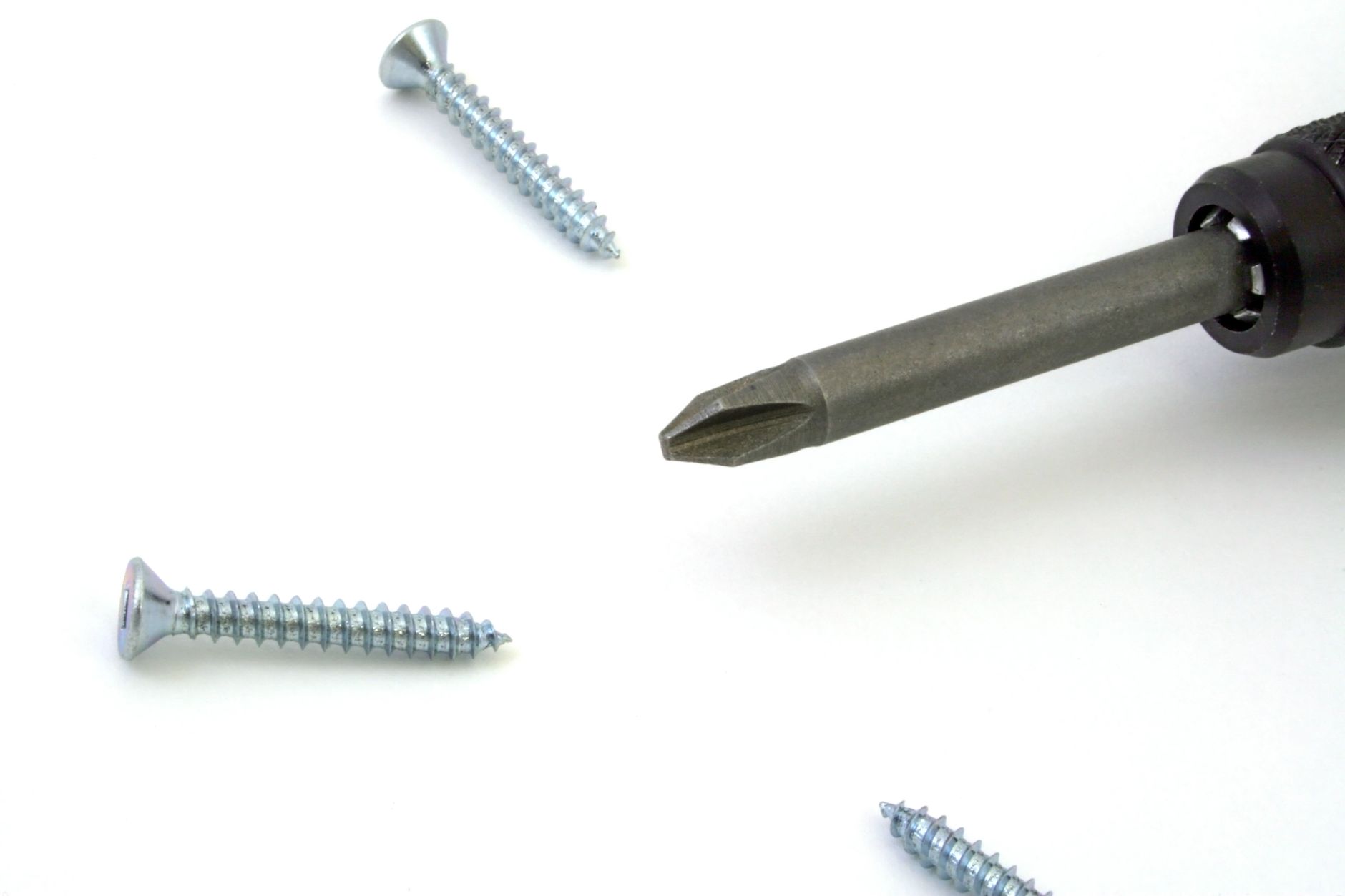
The hinge on my most-used kitchen cabinet — the one under the sink, the one that opens forty times a day — had come loose. The top screw was spinning in its hole. Tightening it did nothing. The screw just turned and turned, chewing up more wood every time.
I stood there with a screwdriver in one hand and a growing sense of despair. This is how a 10-minute home repair turns into a three-day project involving wood filler, drying time, redrilling, and possibly a new door.
Then I remembered something my grandfather — a man who fixed everything with whatever was in his pockets — told me thirty years ago: “Wood screw hole stripped? Toothpick and glue.“
How the Toothpick Trick Works
A stripped screw hole means the wood fibers that used to grip the screw threads have been torn away. The hole is now slightly too wide and completely smooth. The screw has nothing to bite into.
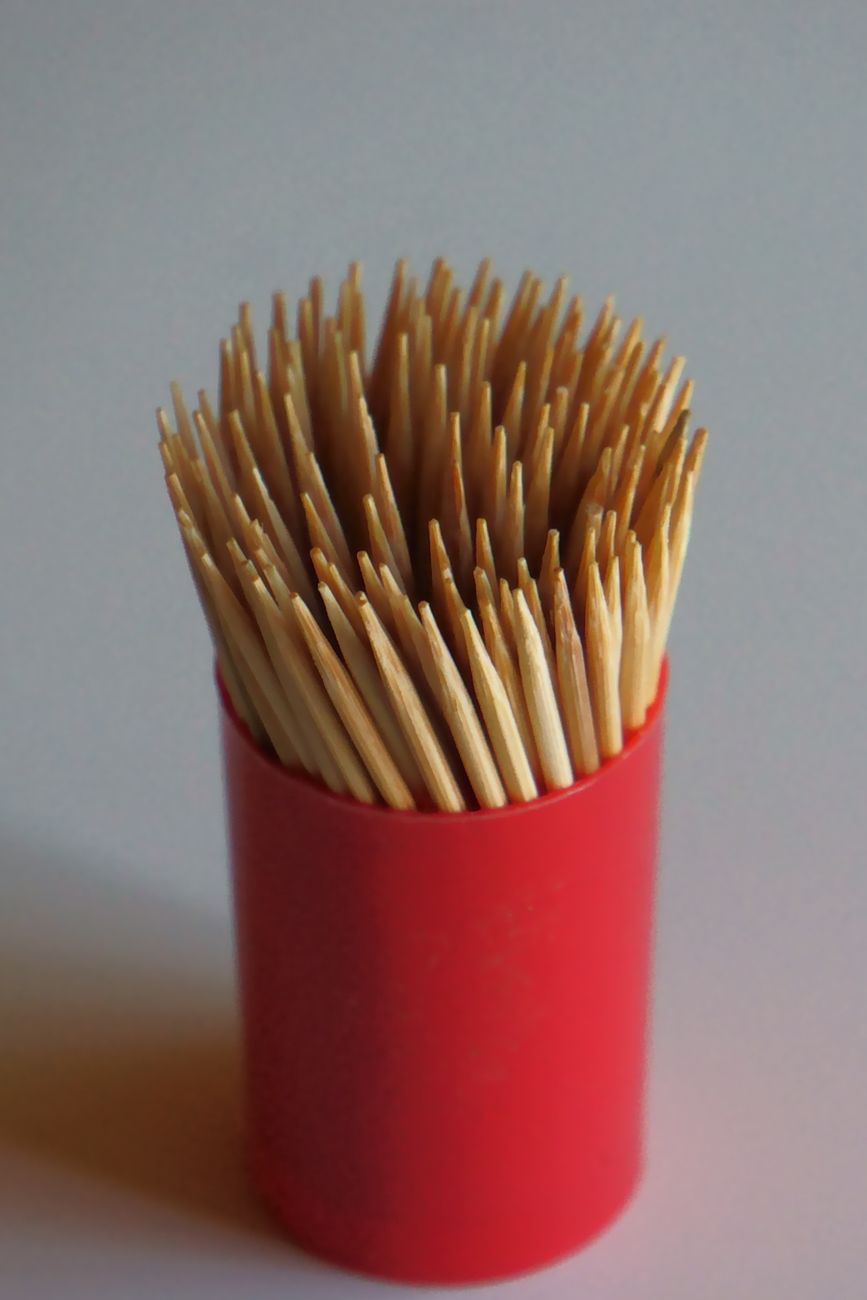
The toothpick fills that space with new material — new wood fibers for the screw threads to grip. When you add wood glue, the toothpick bonds to the surrounding wood and becomes part of the structure. It is not a temporary patch. It is a repair that can outlast the original hole.
The Method
- Remove the screw and clean out any loose wood splinters from the hole.
- Squirt a small amount of wood glue (or white school glue in a pinch) into the hole.
- Jam one or two wooden toothpicks into the hole as far as they will go. Break or cut off the excess flush with the surface.
- Let the glue dry for at least an hour. Overnight is better.
- Reinsert the screw. It will bite into the toothpick-filled hole like it is brand new wood.
The flat toothpicks work better than round ones — more surface area for the screw threads to grip. If the hole is large, use a wooden matchstick (with the head cut off) or a bamboo skewer instead.
When This Does Not Work
If the screw hole is in particle board or MDF — common in flat-pack furniture — the toothpick trick will not hold. Particle board does not have wood fibers; it is basically compressed sawdust and glue. When it strips, it crumbles. For particle board, your options are: move the hinge slightly and drill new holes, use a larger diameter screw, or fill the hole with a two-part epoxy specifically designed for wood repair.
I learned this when I tried the toothpick trick on an IKEA bookshelf and the whole area just disintegrated around the toothpick. Different materials, different rules.
Quick Summary: Fill a stripped screw hole with wood glue and a wooden toothpick, let dry, then reinsert the screw — the toothpick provides new wood fibers for the threads to grip, creating a repair that often outlasts the original.