The Tape Measure Hack for Finding Studs Without a Stud Finder
I bought a stud finder for fifteen dollars and it was useless. It beeped randomly, missed studs that I knew were there, and found “studs” in places where no stud could possibly be—like directly over an electrical outlet but six inches to the left of where the next stud should be.
I returned it and learned two methods that are more reliable than any consumer stud finder I have used. Neither requires buying anything.
Method 1: The Knuckle Knock
Knock on the wall with your knuckle and listen. A hollow, higher-pitched sound means empty drywall cavity. A solid, lower-pitched thud means a stud. Once you find one stud, measure sixteen inches to the left or right—in most houses built after the 1950s, studs are spaced sixteen inches on center. Tap to confirm at the sixteen-inch mark. You will hear the same solid thud.
Some older houses use twenty-four-inch spacing. If the sixteen-inch mark sounds hollow, try twenty-four. Mark both edges of each stud with a pencil so you know where the center is.
Method 2: The Tape Measure Trick
Studs are spaced predictably. Start from a known reference point—an electrical outlet or light switch. Outlet boxes are almost always attached to the side of a stud. Remove the outlet cover (turn off the breaker first) and you can see which side the stud is on. The stud will be either directly to the left or directly to the right of the box.
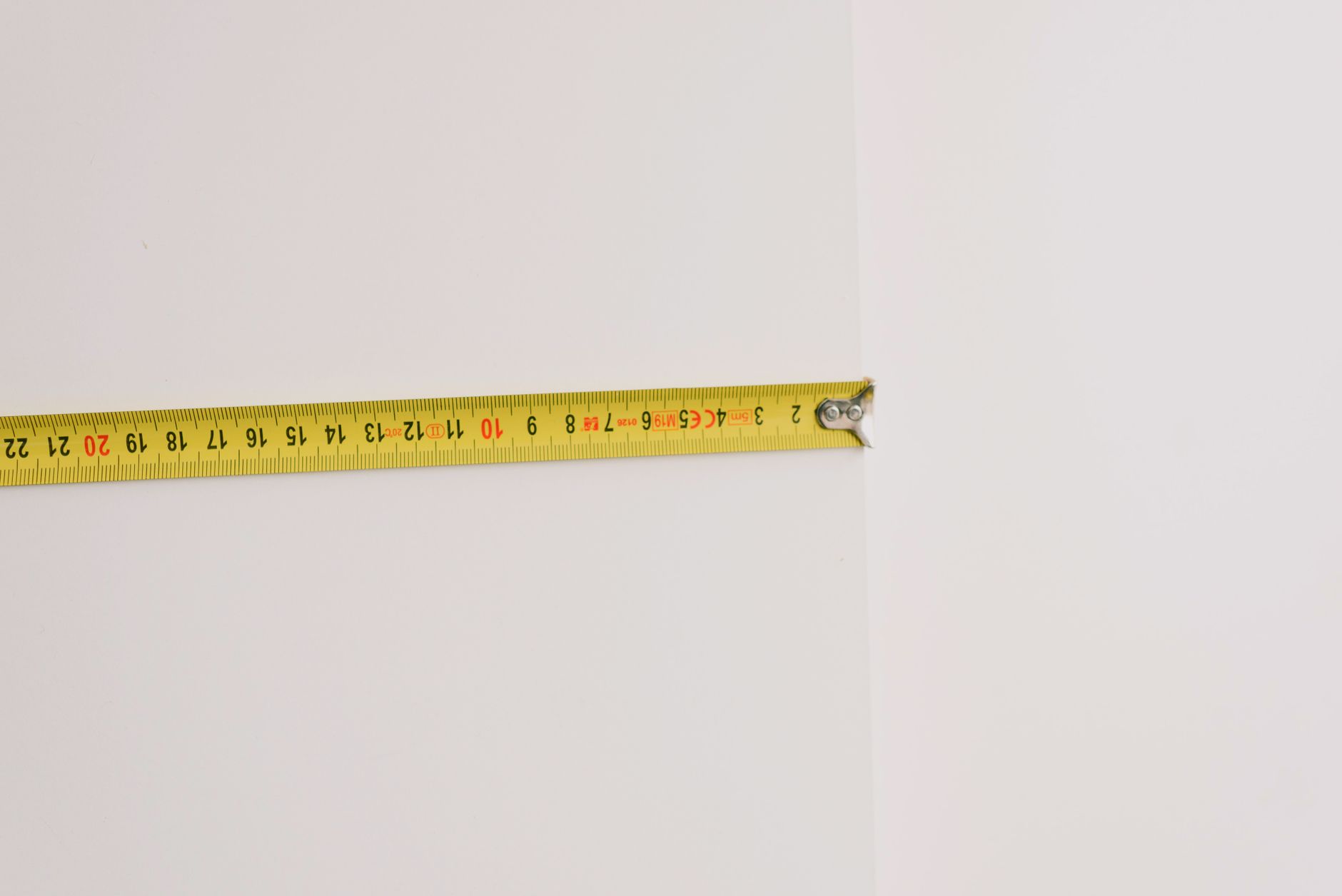
From that known stud, measure sixteen inches in both directions along the wall. The centers of the adjacent studs will be exactly at those marks. This works even when the knock test is unreliable—textured walls, thick plaster, and walls with multiple layers of paint all confuse the knock test but cannot change where the studs are.
Method 3: The Magnet Trick
Drywall is attached to studs with drywall screws or nails. A strong magnet—a rare-earth magnet from a hardware store, or the magnet from an old hard drive—will stick to those screws right through the paint and drywall compound. Move the magnet slowly across the wall in a zigzag pattern. When it catches, you have found a screw. Screws are in studs. Mark the spot, then measure sixteen inches out to find the next one.
A magnetic stud finder is literally just a magnet in a plastic housing. They cost about five dollars and work better than electronic ones because a magnet cannot give a false positive—it either sticks to metal or it does not.
Verify Before You Drill
Once you think you have found a stud, drill a tiny pilot hole—smaller than your final screw. If you hit resistance after about half an inch, you are in wood. If the drill pushes through with no resistance after the drywall layer (about five-eighths of an inch), you missed. The pilot hole is easy to patch with a dab of spackle. A drywall anchor in an empty cavity is not.
📋 Quick Summary: Find one stud by locating an outlet box (they attach to studs). Measure sixteen inches from it in both directions. Confirm with the knock test or a strong magnet. Always drill a pilot hole to verify before driving a screw into anything heavy.