Installing a Ceiling Fan: My First-Time Experience
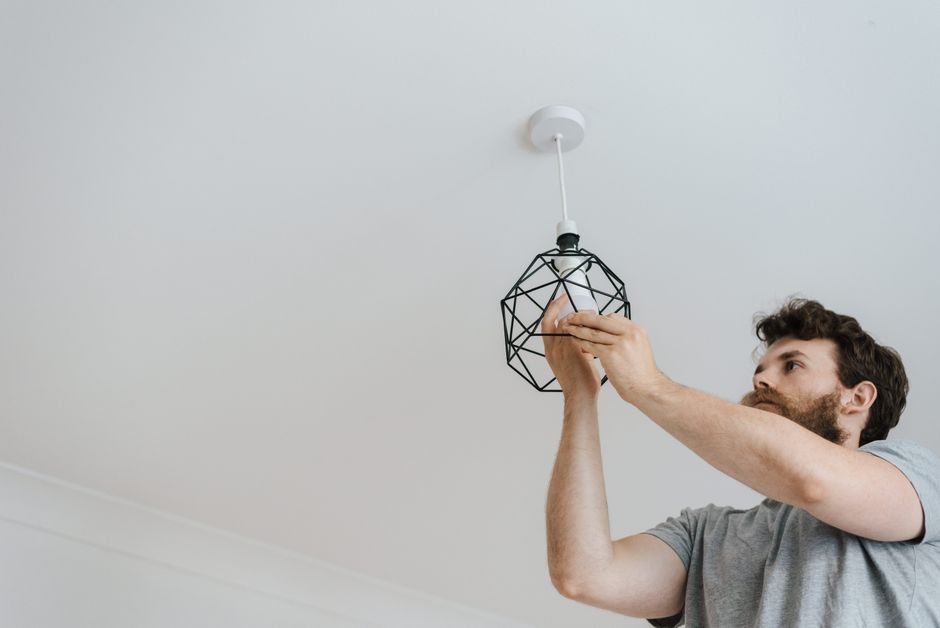
The guest bedroom in my house had the most pathetic light fixture I have ever seen — a single bare bulb on a white porcelain base that looked like it had been there since the Eisenhower administration. In summer, the room was stifling despite the central AC, and in winter, all the warm air hung near the ceiling while the bed stayed cold. A ceiling fan seemed like the obvious upgrade, but I had never touched anything electrical in my life beyond changing a light bulb.
I watched about six different YouTube tutorials before I even bought the fan. Every video emphasized the same point: turn off the power at the breaker box. Not just the wall switch. The breaker. I took this advice seriously because the videos also showed what happens when you do not — and I had no interest in experiencing that personally.
I bought a mid-range ceiling fan from a home improvement store for about $80. It came in a surprisingly heavy box with what looked like a hundred pieces. The instruction manual was twenty pages long and seemed to be written in a language that was technically English but might as well have been ancient Greek. I spread all the pieces out on the floor and matched each one to the parts list before starting. This saved me from the panic of thinking I was missing a crucial piece when I was halfway through the installation.
The first step was removing the old light fixture. After confirming the breaker was off by flipping the wall switch and seeing the light stay dark, I removed the globe and the bulb, then unscrewed the mounting bracket. When I pulled the fixture away from the ceiling, I was staring at a jumble of wires that looked nothing like the clean, color-coded examples in the YouTube videos. My house was built in 1978, and the wiring had been modified by at least three previous owners with varying levels of competence. There were wire nuts I did not expect, electrical tape wrapped around connections, and one wire that appeared to be a different color than any wire I had seen in the tutorials.
I almost called an electrician at that point. Instead, I took photos of the wiring with my phone and drove to the hardware store to ask someone at the electrical desk. The guy working there looked at my photos for about three seconds and told me exactly what I was looking at. The weird-colored wire was just a faded red wire that had originally controlled a separate fan and light circuit. This was the moment I realized that the hardware store employees are an underutilized resource for DIY projects.
Back at home, the actual wiring turned out to be simpler than I feared. The ceiling box already had a fan-rated brace, which was a huge relief — I had been dreading having to crawl into the attic to install a new one. I connected black to black, white to white, and the bare copper ground wire to the green ground screw on the mounting bracket. Each connection got a wire nut twisted on tightly, and I gave each wire a gentle tug to make sure it was secure before tucking everything into the ceiling box.
Mounting the fan motor was the most physically awkward part. The motor housing is heavy, and you have to hold it above your head while connecting the wiring plug and securing it to the bracket. I used a trick from one of the tutorials: I hung the motor from the bracket using the hook that was built into the bracket, which let me make the electrical connections without supporting the full weight with one arm. If your fan bracket does not have this hook, a helper is almost necessary for this step.
The blade installation was straightforward but tedious. Each blade had three screws that had to be tightened evenly to prevent wobbling. I used a manual screwdriver instead of a drill for this because I wanted to feel the tension and avoid stripping the screws. After all the blades were on, I attached the light kit and installed the included LED bulbs.
I turned the breaker back on with more anxiety than the situation warranted and flipped the wall switch. The light came on. I pulled the fan chain. Nothing happened. My heart sank. Then I remembered the remote control that came with the fan. I pressed the button, and the blades started spinning smoothly and silently. I stood there watching it for probably thirty seconds, feeling like I had just performed brain surgery.
The whole installation took about three hours, and it would probably take me half that time if I did it again. The guest room is now the most comfortable room in the house, and I have installed two more ceiling fans since.
📋 Quick Summary
- A ceiling fan seemed like the obvious upgrade, but I had never touched anything electrical in my life beyond changing a light bulb.
- Then I remembered the remote control that came with the fan.
- This was the moment I realized that the hardware store employees are an underutilized resource for DIY projects.
- The first step was removing the old light fixture.